The Benefits of Airflow Technology for Gentle Teeth Cleaning

airflow

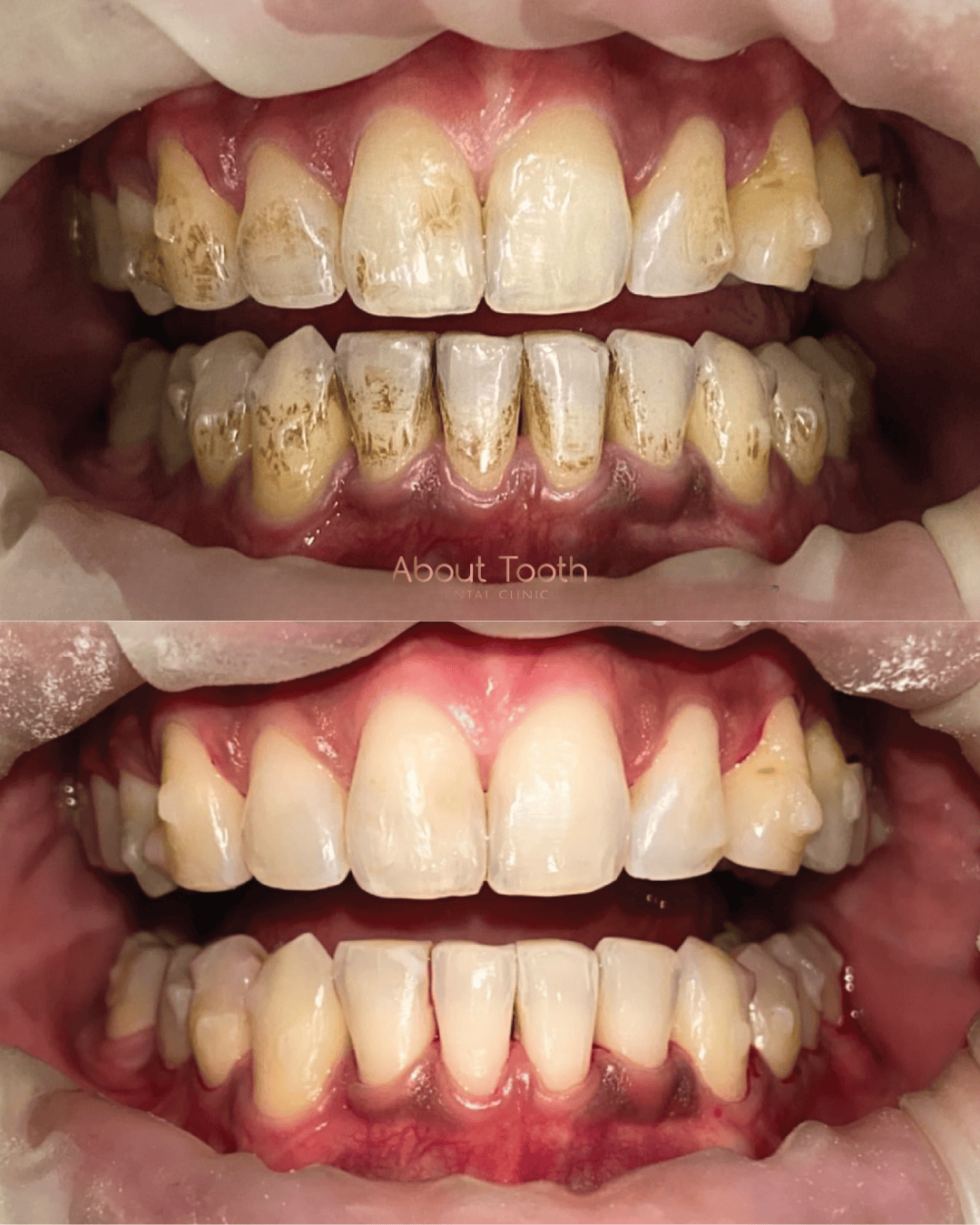
Airflow is a teeth‑cleaning technology that uses a controlled jet of air, water, and fine polishing powder directed onto the tooth surface and between the teeth to remove plaque and surface stains from tea, coffee, smoking, and certain foods quickly. It reduces the need for constant scraping with metal instruments on the tooth surface, so many patients find it feels smoother and more comfortable than traditional polishing methods.

Although Airflow can make teeth look cleaner and brighter, it is not the same as teeth whitening, so it should be combined with good home oral care and regular dental check‑ups to maintain the results over the long term.

What is Airflow ?

Airflow is a cutting-edge dental cleaning technology that combines air, water, and fine powder particles to gently and effectively remove plaque, stains, and tartar from your teeth. It offers a non-invasive, pain-free, and quick alternative to traditional cleaning methods.

Benefits of Airflow Technology

Thorough and Gentle Cleaning:

By utilizing a gentle stream of air, water, and powder particles, Airflow technology effectively removes build-up on your teeth without causing damage or discomfort. In contrast to traditional scraping methods, it ensures a thorough and gentle cleaning experience.

Speed and Efficiency:

Notably, Airflow technology offers significant advantages in terms of speed and efficiency compared to traditional cleaning methods. This results in reduced time spent in the dentist’s chair, making it the ideal choice for busy individuals seeking a quick and efficient dental cleaning.

Teeth Whitening Effect:

Moreover, Airflow technology goes beyond cleaning by providing a teeth whitening effect. By effectively eliminating surface stains, it leaves your teeth looking brighter and healthier.

Comfort for Sensitive Teeth:

Airflow technology is particularly beneficial for individuals with sensitive teeth who may experience pain during traditional cleaning methods. Its non-invasive nature ensures a comfortable experience, minimizing any discomfort that may arise.

Overall, Airflow technology is a game-changer in the world of dental hygiene. It’s a safe, effective, and pain-free method for cleaning your teeth, and it offers a range of benefits that traditional cleaning methods simply can’t match. If you’re looking for a more comfortable and efficient way to clean your teeth. About Tooth’s professional dentists will provide dental services and consultation for your oral health. Contact us for more information.


The importance of deep teeth cleaning with Airflow

  • Plaque and surface stains from tea, coffee, and smoking can build up on the tooth surface and between the teeth, making your smile look yellow and dull, causing bad breath, and increasing the risk of tooth decay and gum inflammation.
  • Airflow was developed to help clean areas that a toothbrush cannot easily reach and to remove surface stains that are difficult to polish away with conventional methods. It helps teeth look cleaner and brighter while being gentle on the enamel.

Airflow: What it is and how it works

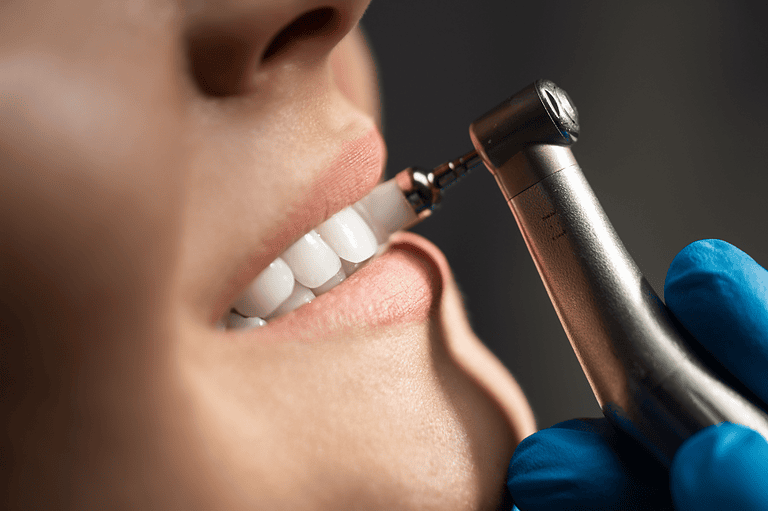
  • Airflow is a teeth‑cleaning and polishing technology that uses a controlled mixture of air, water, and fine powder (such as sodium bicarbonate or glycine) sprayed under pressure onto the tooth surface.
  • The powder helps break up plaque and surface stains on the front, back, and in between the teeth, leaving the enamel feeling smoother and looking brighter, without needing to rely on coarse rubber cups and abrasive pastes all the time.
  • Most patients find the procedure gentler and more comfortable than traditional polishing, because it reduces the need for continuous scraping of the tooth surface with metal instruments.

How Airflow removes yellow stains and tea, coffee, and smoking stains

  • The Airflow system works by spraying a fine cleaning powder mixed with air and water onto the tooth surface, so the tiny particles gently impact and break up the colored deposits that stick to the enamel. This helps lift stains from tea, coffee, red wine, smoking, and strongly pigmented foods that regular brushing cannot remove effectively.
  • It is especially suitable for people who have a lot of surface staining from their lifestyle but whose underlying tooth structure is still healthy, making the teeth look cleaner, brighter, and the overall smile fresher after treatment. However, Airflow is a cleaning and stain‑removal procedure that works on the outer surface of the teeth, and it does not change the internal color of the enamel or dentin, so it is not considered a teeth‑whitening treatment.

How is Airflow different from scaling and teeth whitening? Compared with teeth whitening


Treatment

Main Purpose

What It Removes / Targets

Typical Sensation During Treatment

Visible Results

Scaling

To control oral diseases and prevent periodontal problems

Plaque and tartar around the teeth and along the gumline

May cause mild sensitivity or discomfort in some patients

Improved oral health and cleaner teeth

Airflow

To clean the tooth surface and improve the appearance of the smile

Plaque and external stains from coffee, tea, and smoking

A gentle spray of air and water; generally comfortable with minimal discomfort

Teeth look cleaner, smoother, and slightly brighter

Teeth Whitening

To lighten the internal color of the teeth

Intrinsic tooth discoloration and staining

Temporary tooth sensitivity may occur

Noticeably whiter and brighter teeth

airflow-2

Who is Airflow suitable for, and how often should you have it?

Who is a good candidate for Airflow?

  • People who regularly drink tea, coffee, red wine, or who smoke, and therefore tend to develop visible surface stains on their teeth easily.
  • People with braces, crowded or overlapping teeth, or other fixed dental appliances that make it difficult for a toothbrush to reach all areas. Airflow can help clean around brackets, wires, and tight spaces more effectively.
  • People who are nervous about pain or who dislike the sound and feel of traditional scaling instruments but still want a deep, thorough cleaning of their teeth.

Benefits, precautions, and aftercare for Airflow

Benefits

  • Teeth feel clean and smooth, surface stains are reduced, the procedure is quick, and it is generally less painful than traditional methods.
  • It is suitable for people with dental restorations, crowns, implants, or orthodontic appliances, because the fine powder can clean effectively around these areas.

Precautions and aftercare

  • Some people may experience slight, temporary tooth sensitivity after treatment, especially if they have exposed roots or are already prone to sensitivity.
  • After the procedure, it is recommended to avoid strongly colored foods and drinks (tea, coffee, dark soft drinks, red wine) for a short time to help the results last longer.
  • You should brush, floss, and clean your mouth regularly to prevent stains and plaque from building  up again quickly.
airflow-1

CTA : If your teeth are starting to look yellow or dull, or you can see tea, coffee, or smoking stains that make you hesitate to smile fully, you are welcome to consult us about deep cleaning with Airflow or other options that best suit your teeth at About Tooth Dental Clinic. Our dental team will examine your oral health, assess the amount of plaque and tartar, and recommend an appropriate treatment plan to help your teeth look clean and bright again so you can smile with confidence. 

You can book an appointment with a dentist for consultation and an oral health assessment at About Tooth Dental Clinic. We are open at both our Siam and Punnawithi branches, conveniently located right next to the BTS stations at each location. For more information or to schedule an appointment in advance, please call 087-555-4665 or 080-481-5555, or add us on LINE Official Account at @abouttooth to chat with our team.

References: 

  1. Revolutionizing Dental Cleanings: The Benefits of Airflow Technology . Accessed May 28, 2026. from: https://newyorkgeneraldentistry.com/revolutionizing-dental-cleanings-the-benefits-of-airflow-technology/ 

Book a consultation

Frequently asked questions about Airflow (FAQs)

Q: Does Airflow hurt?


A: Most people only feel the air and water spray against their teeth. Some may have slight sensitivity, especially around worn tooth necks or exposed roots, but overall it is usually more comfortable than traditional scaling.

Q: Does Airflow make teeth as white as whitening treatment?


A: Not as white as bleaching. Airflow focuses on removing surface stains from tea, coffee, smoking, and plaque, making teeth look cleaner and a bit brighter, but it does not change the internal tooth color like whitening does.

Q: Do I need scaling before having Airflow?


A: In most cases, dentists recommend scaling and cleaning the gums first, then using Airflow to refine the removal of surface stains and deposits around deep grooves or orthodontic appliances, so both the teeth and gums are thoroughly cleaned.

Q: How often should I have Airflow?
A: It is generally recommended every 6–12 months, depending on your habits. People who frequently drink tea or coffee, smoke, or build up stains easily may benefit from more frequent sessions. Your dentist can advise the best interval for you.

Q: How should I take care of my teeth after Airflow?


A: After treatment, dentists usually advise avoiding strongly colored foods and drinks for a short period. You should brush, floss, and clean your mouth regularly to reduce new stain buildup and help the results last longer.