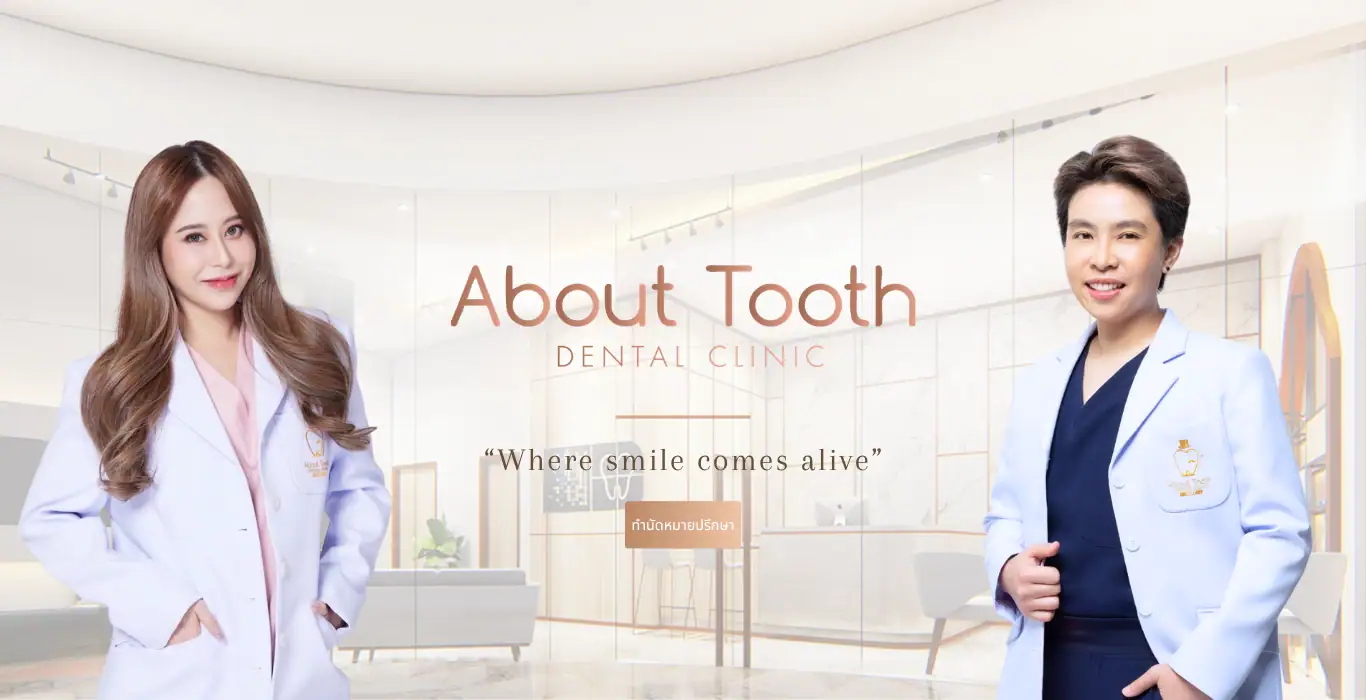
![We offer a comfortable, modern dental clinic[:en]บรรยากาศภายในคลินิกทันตกรรม About Tooth Dental Clinic](https://www.abouttoothdental.com/wp-content/uploads/2020/09/Screen-Shot-2561-10-26-at-23.15.09.jpg)



![Dr. Papatsara Veerapol[:en]ทพญ.ปภัทสรา วีระพล หนึ่งในทีมทันตแพทย์ของ About Tooth Dental Clinic](https://www.abouttoothdental.com/wp-content/uploads/2024/12/ทพญz-z976998942059-507x768.png)
![Patients pose for photos with Dr. Papatsara Veerapol[:en]คนไข้ผู้เข้ารับการรักษาถ่ายภาพร่วมกับทันตแพทย์ที่ About Tooth Dental Clinic](https://www.abouttoothdental.com/wp-content/uploads/2024/12/รีวิว1z-z503834617411.jpg)
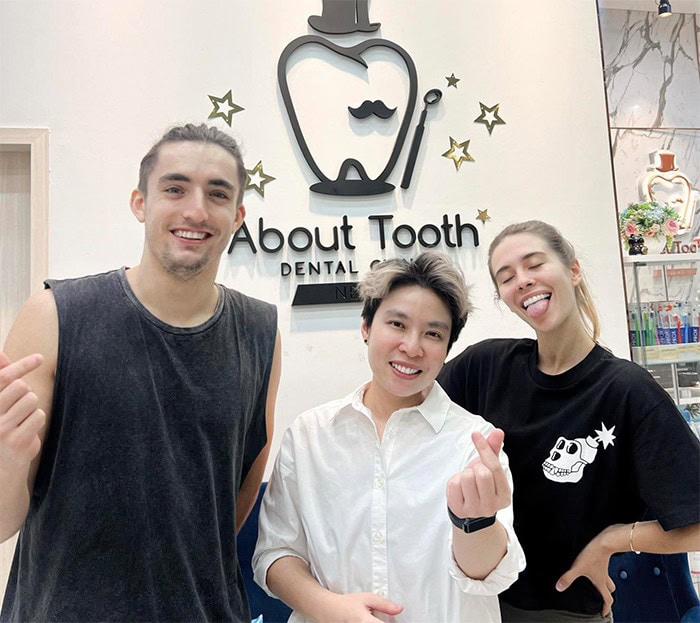
![Dr. Nisara Tanarerkchai poses with a patient[:en]รีวิวจากคนไข้ที่เคยมาใช้บริการ About Tooth Dental Clinic](https://www.abouttoothdental.com/wp-content/uploads/2024/12/รีวิว3z-z147004068099.jpg)


![About Tooth offers comprehensive dental services[:en]ทันตแพทย์ผู้ชำนาญการด้านทันตกรรมรากฟันเทียม](https://www.abouttoothdental.com/wp-content/uploads/2024/12/บริการทันตกรรมครบวงจรz-z291834089536.png)



Gum Recession: Causes, Risks, and Treatment Options
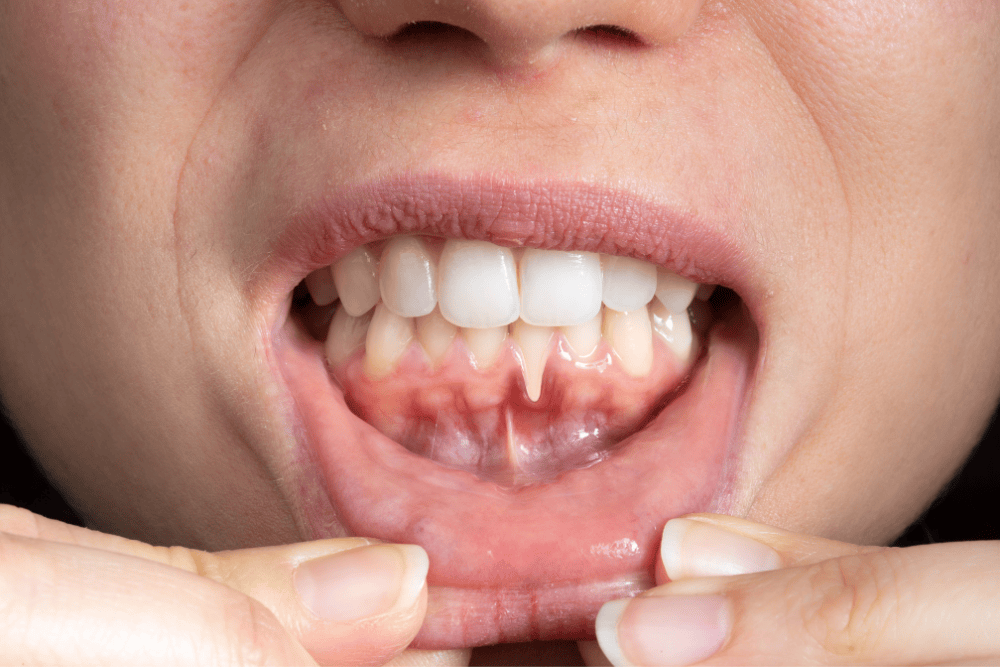
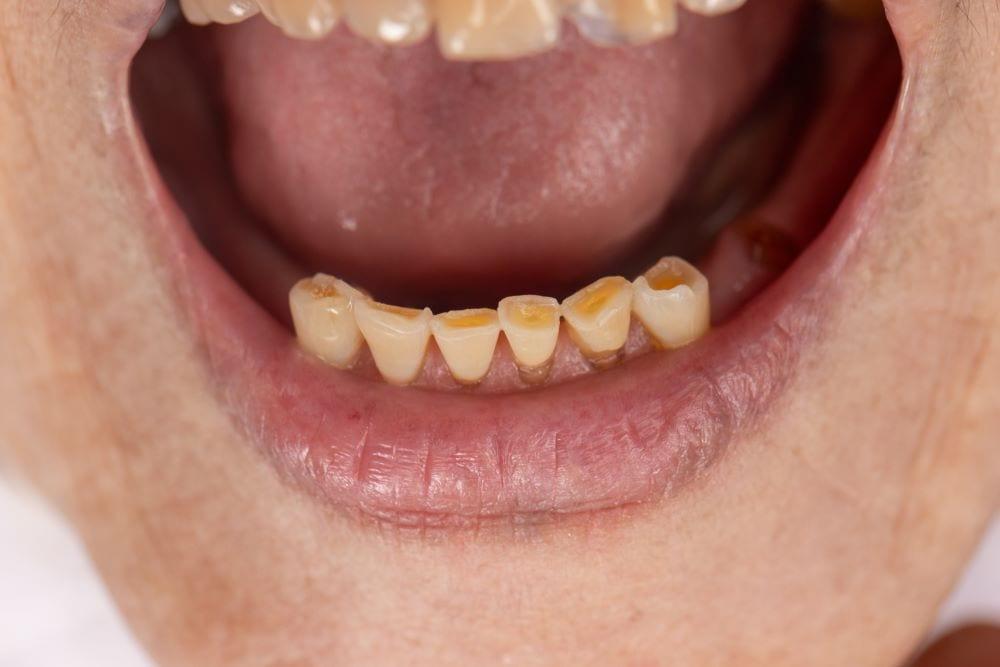
Gum recession is a condition in which the gum line gradually moves away from its original position, exposing more of the tooth root. This can make the teeth appear longer and may also cause tooth sensitivity. There are many possible causes, including aggressive tooth brushing, plaque buildup and periodontal disease, tooth position, smoking, and naturally thin gum tissue. In most cases, receded gums do not grow back on their own. Treatment therefore begins with identifying and addressing the underlying cause, and not everyone with gum recession will necessarily need gum graft surgery. Have you ever noticed that some of your teeth look longer than they used to, or that the area near the gum line appears to expose part of the tooth root? These changes may not mean that your teeth are actually “getting longer.” Instead, they could be a sign of gum recession, a condition in which the gum line moves away from its original position and exposes more of the root surface. Gum recession can affect a single tooth or multiple teeth. It is not caused only by poor oral hygiene. Other contributing factors may include aggressive brushing, gum disease or periodontal disease, tooth position, smoking, and the natural thickness and characteristics What Is Gum Recession with Exposed Tooth Roots? Why Do Teeth Look Longer? Gum recession is a condition in which the gum line moves away from its normal position toward the tooth root, exposing more of the root surface. Some people may experience gum recession around only one tooth, while others may notice it in several areas at the same time. One of the first things many people notice is that their teeth appear longer. However, the teeth themselves are not actually growing or becoming longer. What becomes more visible is the root surface because the











![Papatsara Veerapol shows the quality of our dental work[:en]ทันตแพทย์อธิบายผลลัพธ์ก่อนและหลังการจัดฟันใส Invisalign](https://www.abouttoothdental.com/wp-content/uploads/2024/12/FAQz-z506734024206.jpg)