
Dr. Nisara Tanarerkchai, D.D.S. is a dentist specializing in dental implants, orthodontics, and veneers. She graduated from the Faculty of Dentistry at Thammasat University. With extensive professional experience, she holds multiple certificates in various dental fields, including Advanced General Dentistry, Dental Implants, Advanced Orthodontics, as well as certificates in the Veneer Bootcamp and the Veneer Masterclass. Additionally, she is certified as a Platinum Provider of Invisalign for 2021 and achieved Zenyum Star Tier status in 2023.

Currently, Dr. Thanaruksachai is the founder of About Tooth Dental Clinic, which received the World Class Award 2021 in the category of The Best of International Healthy Business. She is also serves as a member of the Thai Association of Dental Implants (TADI).

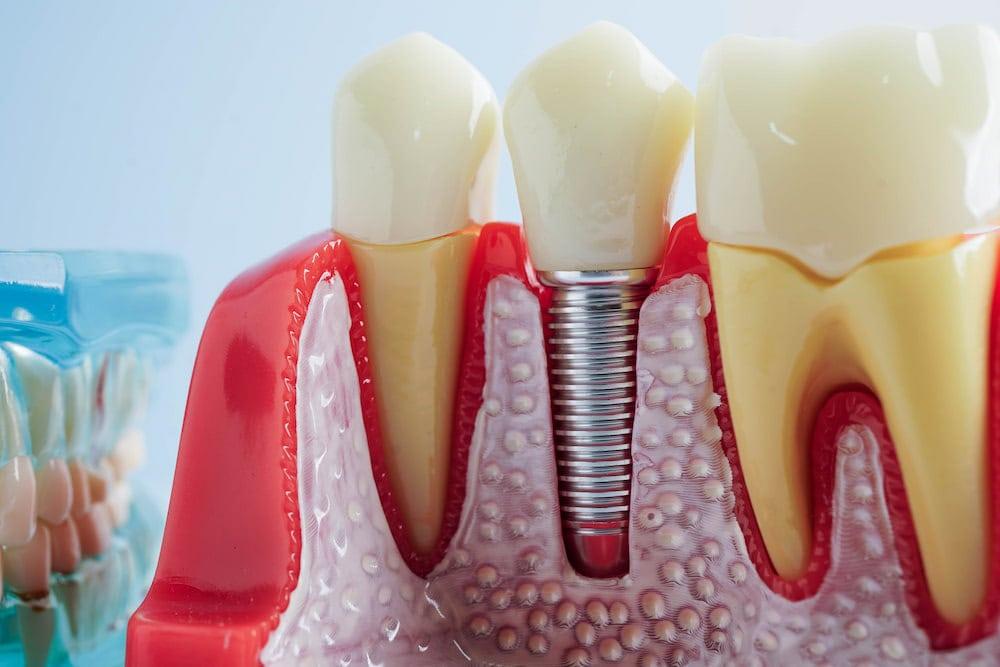
A dentist holds a plastic mockup of various dental implants, which are made of different materials.

What Are Dental Implants Made Of? A Guide to Implant Materials

When thinking about dental implants, people primarily focus on the procedure and achieving a complete, natural-looking smile. But the materials used in your implants are just as important, as the right dental implant materials affect everything from durability and healing to aesthetics and long-term success. If you’ve ever wondered what are dental implants made of, you’re not alone, as it is one of the most common questions patients ask. Understanding the types of dental implant materials can help you make a more informed decision about your treatment. This guide breaks down the main options and how to choose the best material for your needs. Understanding the dental implant structure What are dental implants made of exactly? A dental implant isn’t a single piece, but actually made up of three main components, each serving a specific function. The implant fixture: A small screw surgically placed into your jawbone, acting as an artificial tooth root. The abutment: This connector piece sits on top of the fixture and supports the final restoration. The crown: The visible part that looks and functions like a natural tooth. The materials for each part vary, and selecting the correct ones is vital because they affect osseointegration, strength, and the final look of your restoration. Main types of dental implant materials 1. Titanium and titanium alloys Titanium remains the gold standard for dental implant fixtures worldwide, and for good reason. This metal has been used in implant dentistry for over 50 years, giving it the longest and most well-documented track record of any implant material. Titanium is highly biocompatible, meaning your body accepts it without adverse reactions. It bonds exceptionally well with bone tissue through osseointegration, with long-term success rates consistently above 95%. The material is also incredibly strong and corrosion-resistant, capable of withstanding the daily forces of

A dentist assessing which types of veneers would suit the female patient.

Types of Veneers: How to Choose the Right One for Your Smile

Key Takeaway: Dental veneers are thin shells that cover the front of your teeth to fix discoloration, chips, and gaps. The main types of tooth veneers include porcelain veneers (most natural-looking and durable), composite veneers (more affordable, single-visit option), no-prep veneers (minimally invasive), and temporary veneers (for trials or special occasions). Your choice depends on tooth condition, budget, and how much preparation you’re comfortable with. Proper aftercare includes regular brushing, avoiding hard foods, and dental checkups, which help all types of veneers last longer. White teeth aren’t the only thing that makes up a perfect smile, as it’s just as much about shape, symmetry, and the confidence that comes from knowing your smile looks its best. Not everyone is blessed with naturally flawless teeth, but that doesn’t mean a stunning smile is out of reach. Dental veneers offer a fast, effective way to transform your appearance, correcting everything from discoloration to chips and gaps. With several types of veneers available today, choosing the right one can feel overwhelming. If you’re wondering what the different types of veneers are and which suits you best, you’re in the right place. This guide breaks down the different types of veneers, their pros and cons, and how to pick the best fit for your smile goals. What are dental veneers? Dental veneers are thin, custom-made shells that cover the front surfaces of your teeth. They’re bonded directly to your natural teeth to improve their appearance, changing their color, shape, size, or length. It’s important to note that veneers are different from crowns (which cover the entire tooth) and implants (which replace missing teeth entirely). Veneers are commonly used to fix discoloration that doesn’t respond to whitening, chipped or worn teeth, gaps between teeth, and minor misalignment. As a popular cosmetic dentistry solution, they deliver

A dental implant replaces missing teeth

Missing Teeth Replacement

In the past, people with missing teeth had very few replacement options. A bridge or removable dentures and dental appliances were often the only approach. These replacement teeth resembled the same shape and color as your existing teeth. They were held in place by metal or hard plastic clips that fastened onto existing teeth on either side of the existing gap. These dental bridges made eating difficult and required nightly removal for cleaning. Tooth implants and fixed bridges helped to advance tooth replacement technology and offer more options for replacing missing teeth that were both aesthetically pleasing and functional. Along with partial dentures, people now have three options to explore that could restore a smile. Reasons for Replacing Missing Teeth Many people often believe they could manage without their missing teeth however, the absence of a missing tooth can often lead to various health complications Difficulty chewing from missing molars results in large, partially chewed food, causing digestive problems. They can cause blockages or be painful to pass through your digestive system. Your body is also unable to absorb the nutrients from these unchewed food pieces. Also, a smile gap might cause nearby teeth to drift and become spaced out. A complete set of teeth helps maintain proper tooth alignment. Three Options for Missing Teeth Let’s take a closer look at three of the most common types of tooth replacement so you can decide which works best for your lifestyle. Dental Implants Dental implants are an ideal route if you require a fully functional set of teeth. A dental implant has three components: the implant, which acts as a tooth root, is embedded in your jawbone. The abutment is then attached to the top of the implant, connecting it to the crown. Lastly, the crown is the ceramic, natural-looking tooth

Tooth sensitivity triggered by cold food

What is Tooth Sensitivity?

Most of us have experienced tooth sensitivity at some point. It’s that sudden jabbing pain you feel when you drink hot or cold liquids or when you inhale and your teeth are suddenly exposed to air. Tooth sensitivity can feel like an electric shock that you experience many times during your day, making your life miserable. Causes of Tooth Sensitivity Tooth sensitivity generally means that some surface areas of your teeth aren’t protecting the roots of your teeth. The roots carry nerves that can be triggered by air or hot and cold sensations and deliver a jolt of pain. Causes can include: Enamel erosion Gum disease and recession Dental procedures Tooth decay Diet Aggressive brushing Acidic food and drinks Tooth whitening procedures Tooth grinding As we age, the enamel in our teeth can start to erode, our gums may begin to recede, and we may notice this pain happening more frequently. Treatment Options for Tooth Sensitivity There are many home remedies that can alleviate the pain of sensitive teeth. However, these treatments only treat the pain itself and not the cause. For permanent relief of recurring tooth sensitivity, make an appointment at a dental clinic in Bangkok. Natural Remedies To practice proactive tooth care, you should only be using a fluoridated toothpaste. Some of the natural remedies recommended by dentists are simple and quick, and they may offer the relief you need without you having to go any further. Rinsing your mouth with saltwater immediately after meals helps reduce gum inflammation and can relieve tooth sensitivity. Sesame or coconut oil can also provide temporary relief to sensitive teeth. Try to avoid acidic food and drinks in your diet. Desensitizing Toothpaste Desensitizing toothpaste helps ease pain by using active ingredients to either block nerve responses or strengthen the enamel covering the

Price is a major factor when considering Invisalign

Invisalign Vs. Braces: Learn About the Pros and Cons of Each

Orthodontic treatments are the only option if you want to correct your jaw and teeth alignment issues, improve your oral health, and achieve that perfect smile. Two of the most popular orthodontic treatments in Bangkok for straightening teeth are Invisalign and braces. The world of orthodontics is rapidly improving with each new treatment, so it’s crucial to understand the pros and cons of each orthodontic option to make an informed decision. Let’s take a look at Invisalign and braces as possible treatment options and make a comparison between the two. What is Invisalign? Invisalign is a relatively new technology that uses clear, removable aligners to shift your teeth into the desired positions gradually. The aligners are custom-made for each patient and appear virtually invisible, providing a more aesthetically pleasing appearance. It’s a more discreet and convenient option for those seeking to improve their smile as opposed to the appearance of traditional braces. How Invisalign Works A customized treatment plan is created using state-of-the-art 3D imaging technology. The patient receives a series of clear aligners worn for 20-22 hours daily, replacing each set every 10 days. Strong, medical-grade plastic material is used for the aligners, making them durable and comfortable for long periods. The treatment process will involve a series of appointments with your orthodontist to monitor your progress and make the necessary adjustments. Who Are the Ideal Candidates? This treatment option best suits patients with mild to moderate orthodontic issues, such as crowding, spacing, and mild overbites or underbites. It’s also ideal for adults and older teenagers who prefer a less noticeable treatment option. However, some patients with more severe or complex cases may not be suitable for Invisalign, leaving them with only the option of traditional braces. What are Braces? Braces use brackets, wires, and elastic bands to apply