
Why Do You Need to Wear a Retainer After Braces?
After braces or aligners are removed, your teeth can gradually move away from their new positions.
Wearing a retainer as recommended by your dentist helps maintain tooth alignment and preserve the result of orthodontic treatment.
Retainers are especially important after:
- Metal braces
- Damon braces
- Invisalign
- Other orthodontic treatments
How often and how long you should wear your retainer will depend on your individual case and your dentist’s recommendation.
Which Type of Retainer Is Right for You?
Different retainers have different designs and features, so there is no single type that is best for everyone.
|
Type |
Key Features |
|
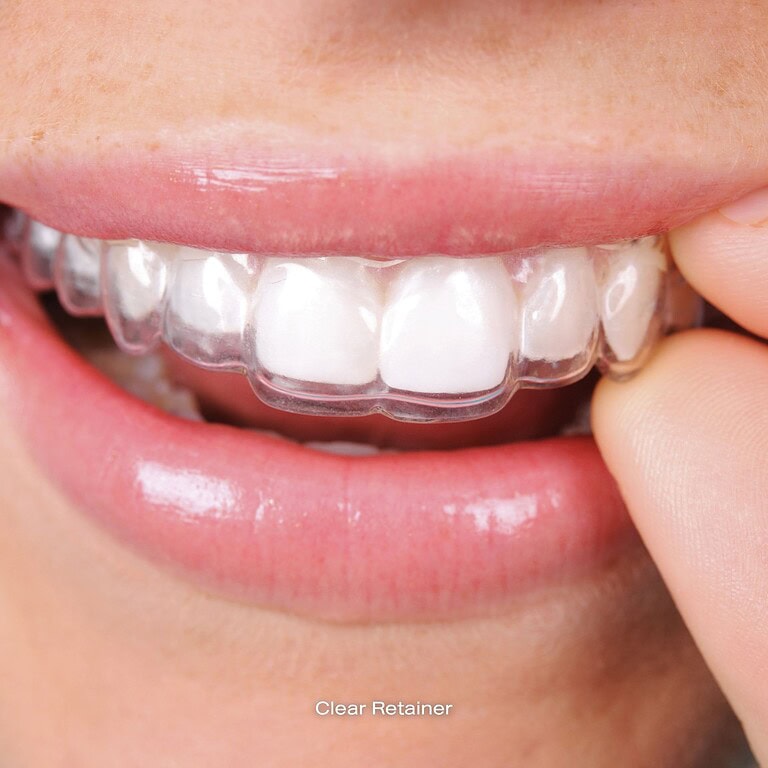
Clear Retainer |
Transparent, discreet, and removable |
|
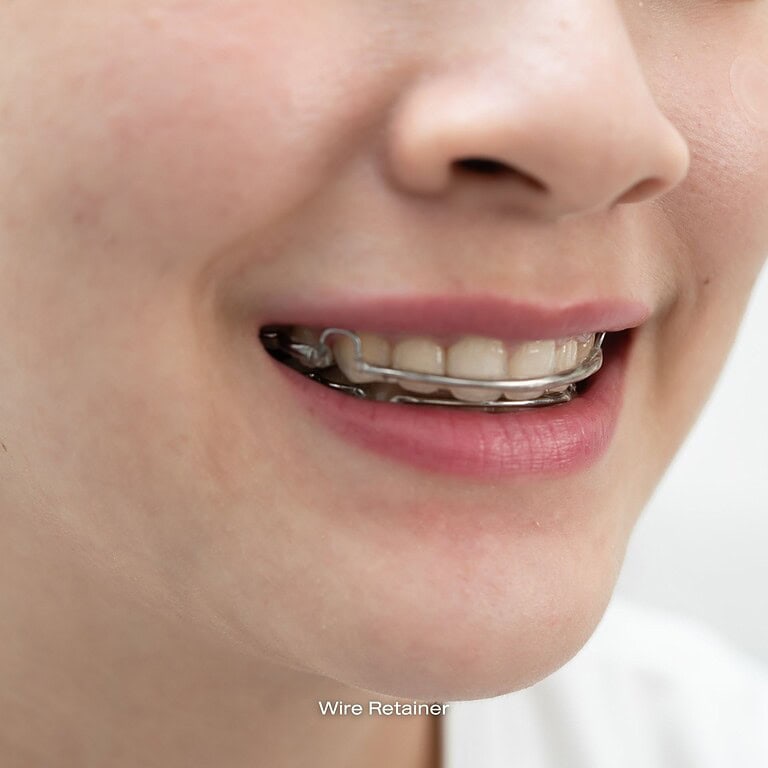
Wire Retainer |
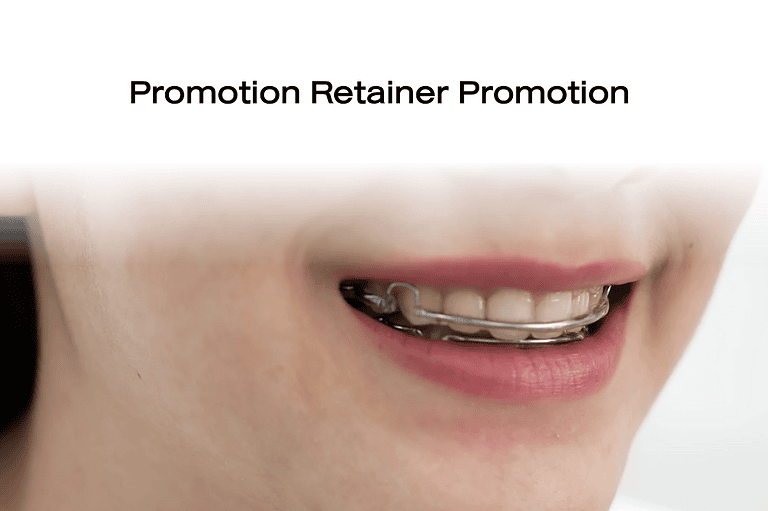
Removable retainer with a wire design for post-orthodontic use |
|
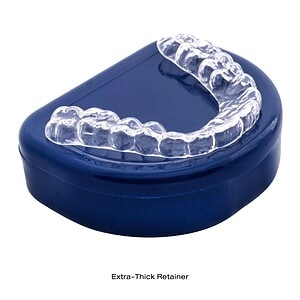
Extra-Thick Retainer |
A thicker option for patients looking for an alternative retainer design |
|
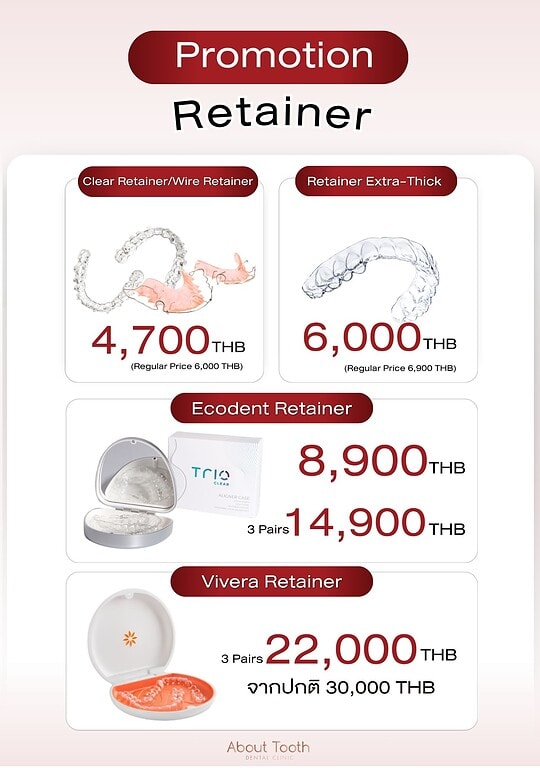
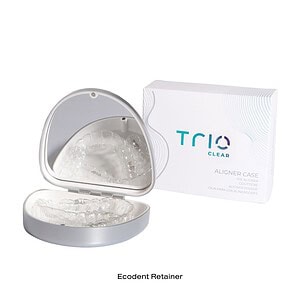
Ecodent Retainer |
Available in multiple sets, suitable for those who want backup retainers |
|
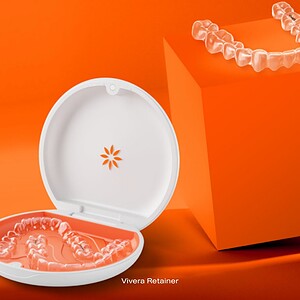
Vivera Retainer |
Clear retainers supplied in multiple sets for long-term use and backup |
If you are unsure which type is right for you, our dentist can assess your tooth alignment and recommend a suitable retainer.
Retainer Promotion at About Tooth Dental Clinic
Retainer prices start at 4,700 THB
Choose from standard retainers, Ecodent Retainers, and Vivera Retainers.
📍 Siam Branch — SIAMSCAPE, 8th Floor
📍 BTS Punnawithi Branch — True Digital Park, 2nd Floor
Finished your orthodontic treatment or ready to replace your old retainer? Visit About Tooth Dental Clinic to have your tooth alignment checked and find the retainer that best suits your needs.
You can book an appointment with a dentist for consultation and an oral health assessment at About Tooth Dental Clinic. We are open at both our Siam and Punnawithi branches, conveniently located right next to the BTS stations at each location. For more information or to schedule an appointment in advance, please call 087-555-4665 or 080-481-5555, or add us on LINE Official Account at @abouttooth to chat with our team.

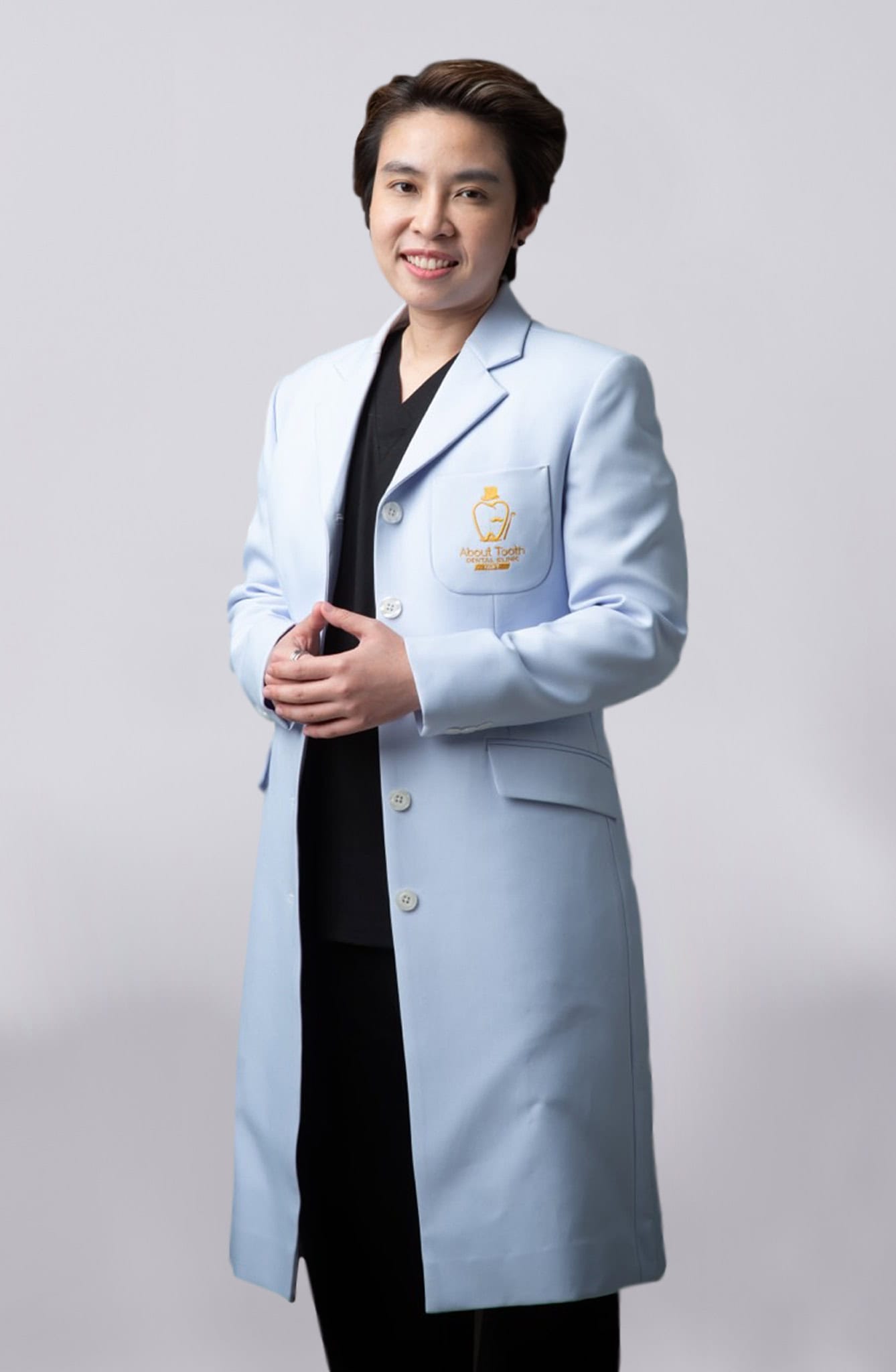
Dr. Papatsara Veerapol, D.D.S. is a dentist specializing in orthodontics, dental implants, and prosthodontics (veneers, dentures). She graduated with honors (Second Class) from the Faculty of Dentistry at Chulalongkorn University. She later earned a Master’s degree in Prosthodontics from Srinakharinwirot University. With extensive work experience, she holds an Advanced General Dentistry Certificate and is certified as a Platinum Provider of Invisalign for 2021 and achieved Zenyum Star Tier status in 2023.
Currently, she is the founder of About Tooth Dental Clinic, which was honored with the World Class Award 2021 in the category of The Best of International Healthy Business. She also serves as a member of the Thai Association of Dental Implants (TADI) and the Thai Prosthodontics Association.