
Table of Contents
ToggleKey Takeaway:
Dental veneers are thin shells that cover the front of your teeth to fix discoloration, chips, and gaps. The main types of tooth veneers include porcelain veneers (most natural-looking and durable), composite veneers (more affordable, single-visit option), no-prep veneers (minimally invasive), and temporary veneers (for trials or special occasions). Your choice depends on tooth condition, budget, and how much preparation you’re comfortable with. Proper aftercare includes regular brushing, avoiding hard foods, and dental checkups, which help all types of veneers last longer.
White teeth aren’t the only thing that makes up a perfect smile, as it’s just as much about shape, symmetry, and the confidence that comes from knowing your smile looks its best. Not everyone is blessed with naturally flawless teeth, but that doesn’t mean a stunning smile is out of reach. Dental veneers offer a fast, effective way to transform your appearance, correcting everything from discoloration to chips and gaps.
With several types of veneers available today, choosing the right one can feel overwhelming. If you’re wondering what the different types of veneers are and which suits you best, you’re in the right place. This guide breaks down the different types of veneers, their pros and cons, and how to pick the best fit for your smile goals.
What are dental veneers?
Dental veneers are thin, custom-made shells that cover the front surfaces of your teeth. They’re bonded directly to your natural teeth to improve their appearance, changing their color, shape, size, or length. It’s important to note that veneers are different from crowns (which cover the entire tooth) and implants (which replace missing teeth entirely).
Veneers are commonly used to fix discoloration that doesn’t respond to whitening, chipped or worn teeth, gaps between teeth, and minor misalignment. As a popular cosmetic dentistry solution, they deliver natural-looking results that can completely transform your smile. Even so, there are different types of veneers available to fit different dental goals and needs.
Main types of tooth veneers
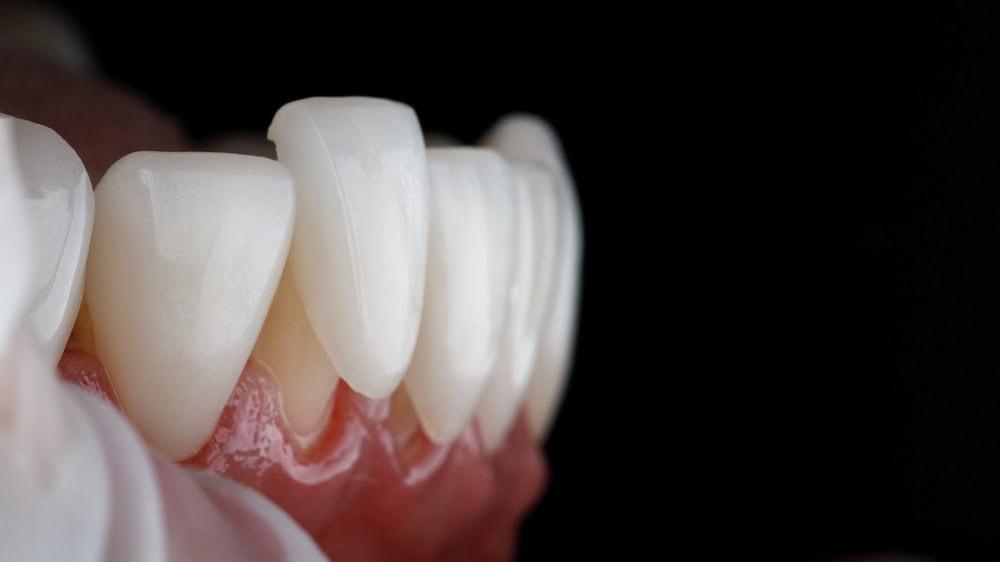
When exploring what the different types of veneers are, you’ll find several options, each with unique characteristics suited to different needs and budgets.
1. Porcelain veneers (ceramic veneers)
Porcelain veneers are made from high-quality ceramic materials such as lithium disilicate (commonly known as E-max). They’re considered the gold standard in cosmetic dentistry for good reason.
- Delivers the most natural-looking results thanks to its translucent quality, which mimics how light reflects off natural tooth enamel
- Highly stain-resistant
- Can last 10 to 15 years or longer with proper care
However, porcelain veneers require moderate tooth preparation, meaning some enamel must be removed before placement. They’re also more expensive than other options. That said, they’re ideal for patients seeking a full smile makeover with long-lasting, beautiful results.
2. Composite veneers
Composite veneers are made from tooth-colored resin that’s applied directly to your teeth and sculpted by your dentist. This makes them a more affordable alternative to porcelain.
One major advantage of composite veneers is convenience, as they can often be completed in a single visit since they don’t require lab fabrication. They also require less enamel removal than porcelain veneers.
The trade-off is durability. Composite veneers are less resistant to staining and may chip more easily over time. They typically last 5 to 7 years before needing replacement or repair, and they’re best suited for minor cosmetic fixes or patients working within a tighter budget.
3. No-prep / ultra-thin veneers
No-prep veneers, such as Lumineers, are ultra-thin ceramic shells that require little to no enamel removal. This makes them a less invasive option, and in some cases, the process is reversible.
These veneers work well for patients with minor cosmetic concerns who want to preserve as much natural tooth structure as possible. However, they’re not suitable for everyone, particularly those with severe discoloration or teeth that need significant reshaping. Because they’re so thin, they may not mask dark stains as effectively as traditional porcelain veneers.
4. Temporary and removable veneers
Temporary veneers serve as a trial run before committing to permanent veneers, or they can be used for special occasions when you want a quick cosmetic enhancement. Removable “snap-on” veneers clip over your existing teeth without any dental work.
While these options are non-invasive and budget-friendly, they tend to look bulkier and less natural than bonded veneers. It’s important to understand that temporary and removable veneers are not long-term clinical solutions, as they’re intended for short-term or occasional use only.
How to choose the right veneer type
With so many types of tooth veneers to consider, selecting the best option depends on several factors. Start by considering your:
- Tooth condition — Do you have deep stains, chips, or alignment issues? How serious your concerns are will influence which veneer material works best.
- Budget — While porcelain veneers cost more upfront, their longevity may make them more cost-effective over time. Composite veneers have lower initial costs but may need more frequent replacement.
When consulting with your dentist, ask about the veneers’ expected lifespan, the materials they use, and what happens if a veneer chips or needs repair. You should have a thorough discussion before making an informed decision.
Veneer Type | Material | Prep Needed | Longevity | Best For |
Porcelain | Ceramic (E-max) | Moderate | 10–15+ years | Full smile makeovers |
Composite | Resin | Minimal | 5–7 years | Minor fixes, budget-friendly |
No-Prep | Ultra-thin ceramic | Little to none | 7–10 years | Minimal intervention |
Temporary | Resin/plastic | None | Short-term | Trials, special occasions |
Aftercare tips for all veneer types
Regardless of which of the types of veneers you choose, proper aftercare is essential for making them last.
- Brush and floss regularly using non-abrasive toothpaste to avoid scratching the veneer surface.
- Avoid biting hard objects like ice, pens, or your fingernails, as this can cause chips or cracks.
- If you grind your teeth at night, ask your dentist about wearing a night guard to protect your veneers.
And don’t skip your regular dental checkups, either. Your dentist can monitor your veneers and catch any issues early.
Choose veneers that fit you today
Now that you know what the different types of veneers are, you can see that each option, from durable porcelain to budget-friendly composite, minimally invasive no-prep options, and temporary solutions, has its own strengths. The various types of tooth veneers cater to different needs, and the right choice depends on your tooth condition, aesthetic goals, and budget.
For those seeking quality veneers in Bangkok, About Tooth Dental Clinic is a comprehensive dental clinic with branches conveniently located near BTS Punnawithi and BTS Siam. Our team of specialist dentists uses modern technology and digital smile design to create veneers tailored to your unique facial structure and goals. With a friendly atmosphere, affordable pricing, and full-service care, we make achieving your ideal smile convenient and comfortable.
Ready to find the right veneer type for your smile? Book a consultation for veneers in Bangkok today and take the first step toward your most confident smile.

References:
- Lumineers Dental Veneers | #1 Patient-Requested Porcelain Veneer. (date n/a). Lumineers. Retrieved on 12th February 2026 from https://www.lumineers.com/
Frequently Asked Questions (FAQ)
Q1: Which type of veneer looks the most natural?
Porcelain veneers typically look the most natural because they have a translucent quality that mimics how light reflects off natural tooth enamel. High-quality ceramic materials like lithium disilicate (E-max) are especially known for their lifelike appearance.
Q2: How long do different types of veneers last?
Porcelain veneers can last 10 to 15 years or longer with proper care. Composite veneers typically last 5 to 7 years before needing replacement. No-prep veneers generally last 7 to 10 years, while temporary veneers are designed only for short-term use.
H3: Q3: Are veneers reversible?
Traditional porcelain veneers require enamel removal and are not reversible. However, no-prep or ultra-thin veneers require little to no enamel removal and may be reversible in some cases. Temporary and removable veneers can be taken off at any time.
Q4: How do I choose between porcelain and composite veneers?
Choose porcelain veneers if you want the most natural-looking, long-lasting results and are planning a full smile makeover. Choose composite veneers if you have a limited budget, need minor cosmetic fixes, or prefer a less invasive option that can be completed in one visit.

Dr. Nisara Tanarerkchai, D.D.S. is a dentist specializing in dental implants, orthodontics, and veneers. She graduated from the Faculty of Dentistry at Thammasat University. With extensive professional experience, she holds multiple certificates in various dental fields, including Advanced General Dentistry, Dental Implants, Advanced Orthodontics, as well as certificates in the Veneer Bootcamp and the Veneer Masterclass. Additionally, she is certified as a Platinum Provider of Invisalign for 2021 and achieved Zenyum Star Tier status in 2023.
Currently, Dr. Thanaruksachai is the founder of About Tooth Dental Clinic, which received the World Class Award 2021 in the category of The Best of International Healthy Business. She is also serves as a member of the Thai Association of Dental Implants (TADI).