
When thinking about dental implants, people primarily focus on the procedure and achieving a complete, natural-looking smile. But the materials used in your implants are just as important, as the right dental implant materials affect everything from durability and healing to aesthetics and long-term success.
If you’ve ever wondered what are dental implants made of, you’re not alone, as it is one of the most common questions patients ask. Understanding the types of dental implant materials can help you make a more informed decision about your treatment. This guide breaks down the main options and how to choose the best material for your needs.
Table of Contents
ToggleUnderstanding the dental implant structure
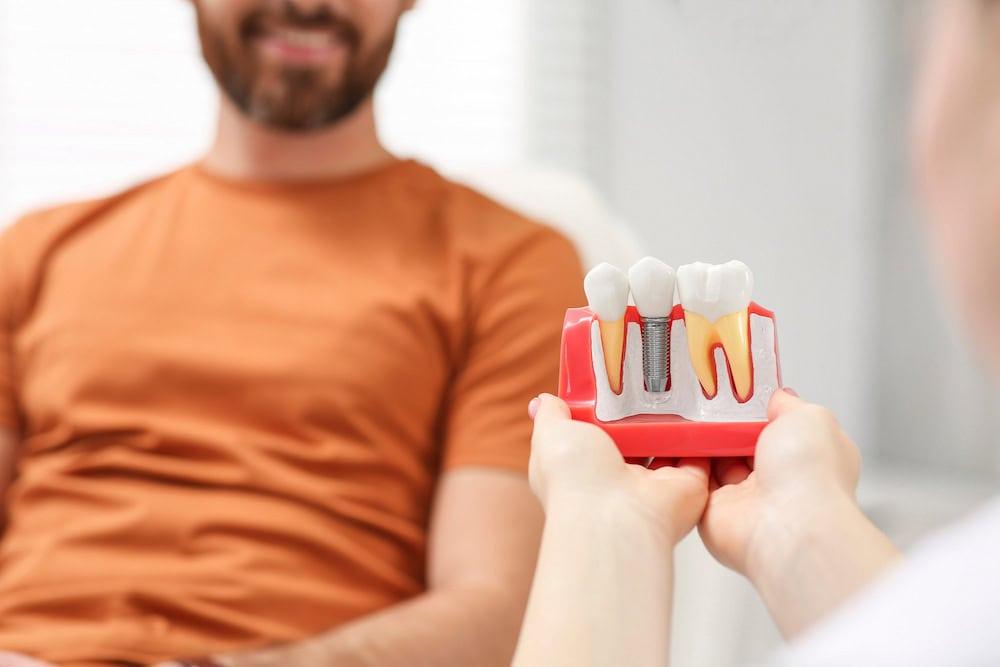
What are dental implants made of exactly? A dental implant isn’t a single piece, but actually made up of three main components, each serving a specific function.
- The implant fixture: A small screw surgically placed into your jawbone, acting as an artificial tooth root.
- The abutment: This connector piece sits on top of the fixture and supports the final restoration.
- The crown: The visible part that looks and functions like a natural tooth.
The materials for each part vary, and selecting the correct ones is vital because they affect osseointegration, strength, and the final look of your restoration.
Main types of dental implant materials
1. Titanium and titanium alloys
Titanium remains the gold standard for dental implant fixtures worldwide, and for good reason. This metal has been used in implant dentistry for over 50 years, giving it the longest and most well-documented track record of any implant material.
Titanium is highly biocompatible, meaning your body accepts it without adverse reactions. It bonds exceptionally well with bone tissue through osseointegration, with long-term success rates consistently above 95%. The material is also incredibly strong and corrosion-resistant, capable of withstanding the daily forces of chewing for decades.
Most titanium implants use a two-piece design (separate fixture and abutment), which gives dentists flexibility in positioning and angulation. This is particularly useful for complex cases where precise placement is essential.
2. Zirconia (ceramic implants)
If you prefer metal-free alternatives, zirconia implants are just the thing to avoid metals entirely. Made from zirconium dioxide, these ceramic implants are white and tooth-colored, making them an excellent choice for aesthetic-sensitive areas.
Patients with metal allergies or sensitivities often choose zirconia, though true titanium allergies are rare. Zirconia is also ideal when the implant is placed near thin or receding gums, as the white material won’t create a grayish shadow through the tissue like titanium sometimes can.
Zirconia implants typically feature a one-piece design, which can simplify the surgical procedure. As a relatively newer option in implant dentistry, zirconia has a shorter clinical track record than titanium. However, early success data is positive, and many patients achieve excellent long-term results. Like titanium, zirconia is highly biocompatible and corrosion-resistant.
3. Crown materials on implants
The crown, being the visible tooth portion of your implant, can be made from several different materials, each with its own advantages.
Porcelain-fused-to-metal (PFM) crowns combine a metal substructure for strength with a porcelain exterior for natural appearance. They’re a popular choice for back teeth where biting forces are strongest.
Full ceramic crowns, such as those made from lithium disilicate, offer superior aesthetics with excellent translucency, making them ideal for front teeth where appearance matters most. There are also resin composite crowns, which are a lower-cost option often used for temporary restorations while permanent crowns are being fabricated.
How to choose the right implant material
With different types of dental implant materials available, selecting the best option involves weighing several factors with your dentist.
- Medical considerations: If you have a history of metal allergies, autoimmune conditions, or concerns about bone density, these will influence your options. While titanium allergies are uncommon, zirconia provides peace of mind if you want to avoid metals altogether.
- Dental location: For front teeth and areas where gums are thin, zirconia’s tooth-colored appearance may offer better aesthetics. For molars and areas that bear heavy chewing forces, titanium is often preferred for its proven strength.
Budget and long-term value: When comparing dental implants cost, titanium implants typically cost less than zirconia and have the most extensive research supporting their durability. However, for patients who prioritize aesthetics or metal-free treatment, investing in zirconia may be worthwhile.
Material | Biocompatibility | Aesthetics | Durability | Best For |
Titanium | Excellent | Good (gray color) | Excellent (95%+ success) | Most patients, back teeth |
Zirconia | Excellent | Superior (white) | Very good (newer data) | Metal-free, front teeth |
PFM Crown | Good | Good | Strong | Back teeth restorations |
Full Ceramic Crown | Excellent | Excellent | Good | Front teeth, aesthetics |
What to discuss with your dentist
Before your implant procedure, have an open conversation with your dentist about several key topics:
- Share your complete medical history, including any allergies or sensitivities to metals or other materials.
- Discuss where the implant will be placed and your aesthetic expectations. Do you need a seamless match with surrounding teeth, or is function the primary concern?
- Ask about the expected lifespan of different material options and what maintenance or follow-up care you’ll need.
Finally, discuss the total treatment cost, including the implant fixture, abutment, and crown. Understanding the full picture helps you plan and budget appropriately.
Get the right dental implants you need for a shining smile
The right implant can make all the difference for a long-lasting smile. If you’re considering them, understanding the different types of dental implant materials, like titanium, zirconia, or various crown options like PFM and full ceramic, helps you make the right choice for biocompatibility, strength, and aesthetics. The best option differs for everyone, so you’ll want to get it right.
About Tooth Dental Clinic is a trusted dental clinic in Bangkok with branches conveniently located near BTS Punnawithi and BTS Siam. Our experienced implant specialists use advanced technology to assess each case and recommend the most suitable materials for your needs. With comprehensive services, transparent pricing, and a welcoming environment, we help patients restore their smiles with confidence.
Get your best smile today with implants that fit you! Book a consultation today to get a personalized treatment plan and transparent dental implants cost. We offer comprehensive services and a welcoming environment.
References:
- Evaluation of one-piece zirconia dental implants: An 8-year follow-up study. 5th June 2023. PubMed Central. Retrieved on 11 February 2026 from https://pmc.ncbi.nlm.nih.gov/articles/PMC10329592/
FAQ
Q1: Is titanium or zirconia better for dental implants?
Titanium is the gold standard with over 50 years of clinical success and 95%+ success rates. Zirconia is a newer, metal-free alternative ideal for patients with metal allergies or those who need implants in highly visible areas. Both are biocompatible and effective, but the best choice depends on your specific needs.
Q2: Can I get dental implants if I have a metal allergy?
Yes. True titanium allergies are rare, but if you have concerns about metal sensitivity, zirconia implants offer a completely metal-free alternative. Zirconia is highly biocompatible and provides excellent aesthetics, making it a safe choice for patients who prefer to avoid metals.
Q3: How long do dental implants last based on material?
Titanium implants have the longest track record and can last 20 years or more with proper care. Zirconia implants show promising durability with positive early success data, though they have a shorter clinical history. The crown portion may need replacement after 10 to 15 years depending on the material used.

Dr. Nisara Tanarerkchai, D.D.S. is a dentist specializing in dental implants, orthodontics, and veneers. She graduated from the Faculty of Dentistry at Thammasat University. With extensive professional experience, she holds multiple certificates in various dental fields, including Advanced General Dentistry, Dental Implants, Advanced Orthodontics, as well as certificates in the Veneer Bootcamp and the Veneer Masterclass. Additionally, she is certified as a Platinum Provider of Invisalign for 2021 and achieved Zenyum Star Tier status in 2023.
Currently, Dr. Thanaruksachai is the founder of About Tooth Dental Clinic, which received the World Class Award 2021 in the category of The Best of International Healthy Business. She is also serves as a member of the Thai Association of Dental Implants (TADI).