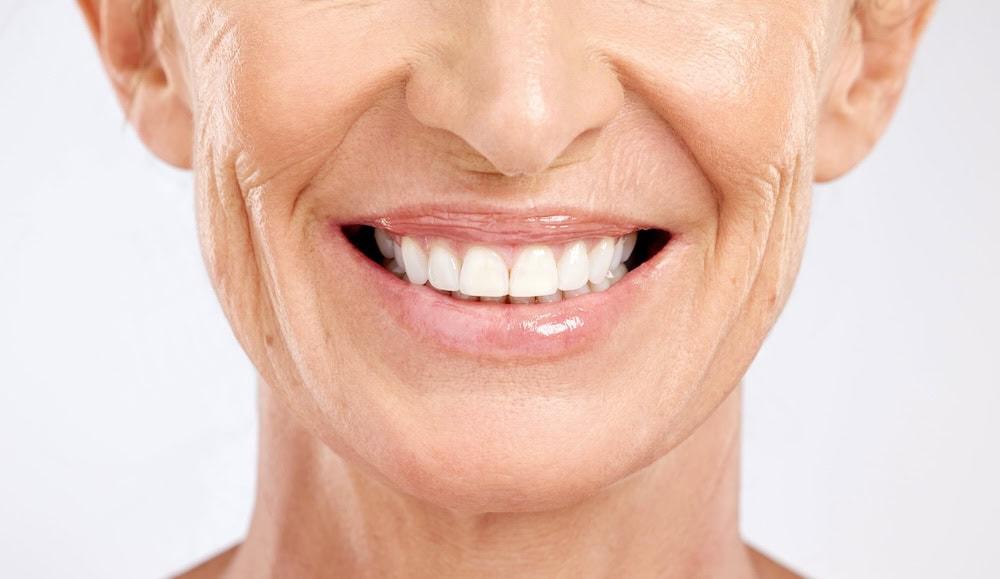
A smile is the first door to expressing emotions and confidence. As time goes by, many people may feel that their smile is not as bright as it once was. Various problems such as darker tooth colour, worn or chipped teeth, or gaps between teeth can lead to a loss of confidence. For this reason, “veneers” or dental laminates have become one of the most popular cosmetic dental procedures, because they can remarkably transform your smile. However, an important question many adults have is: “Can older people get veneers?” In this article, all of these concerns will be addressed, along with the benefits of restoring your smile so you can feel confident again.
Dental and Oral Health Problems That Can Be Corrected with Veneers
As you get older, the structure of your teeth and mouth naturally changes. However, many of these problems can be corrected with veneers, such as
Darker Tooth Colour
Over several decades, the outer enamel layer naturally becomes thinner, while the inner dentin layer, which is naturally more yellow, becomes thicker, making the teeth appear more yellow or darker overall. Long‑term stains from tea, coffee, and various foods can further change tooth colour, and veneers work like a new, whiter tooth surface that is more resistant to future staining.
Worn and Shortened Teeth
This is one of the most noticeable age‑related changes, as decades of chewing gradually cause the teeth to wear down and become shorter. The impact is not only aesthetic but can also affect the vertical dimension of the face, making the lower third of the face look shorter, the lips appear collapsed, and sometimes the corners of the mouth turn downward. Veneers can restore the appropriate tooth length, helping the smile look more youthful while also providing better support for the lips and overall facial structure.
Chipped and Cracked Teeth
In older adults, teeth often become more fragile, and old fillings may start to deteriorate, making small chips and surface cracks more likely to appear. Veneers can cover these defects, creating a smoother and stronger outer surface that helps protect the remaining tooth structure.
Gum Recession
Gum recession is common in older adults and can result from periodontal (gum) disease or years of incorrect brushing technique, exposing the tooth roots, which are darker than the crowns, and sometimes creating black spaces between the teeth. Although veneers do not treat gum recession itself, once gum disease is controlled and the tissues are stable, veneers can be designed to close these spaces and reshape the teeth so they blend with the new gum line, helping the smile look harmonious again.
Tooth Alignment Changes
Teeth can continue to move throughout life, so some older adults may start to notice new crowding, rotation, or small gaps in their front teeth that were not there before. In mild cases, veneers can cosmetically mask these minor alignment issues by reshaping the visible tooth surfaces, creating the appearance of straighter, more even teeth without full orthodontic treatment.
Can Older Adults Get Veneers?
For this important question, the answer is: yes, older adults can absolutely get veneers, and age itself is not a main barrier to treatment. What matters far more than how old you are is your overall oral health, including the condition of your teeth, gums, and any existing dental work.
When assessing a case, a dentist is not focused on whether a patient is 50, 60, or 70 years old, but instead carefully evaluates core oral health factors in detail to decide if veneers are safe and suitable.
1.Gum and Bone Support
This is the most important “foundation.” Veneers cannot be placed on loose or unstable teeth, just as a beautiful house cannot be built on soil that is about to collapse.
What must be clear: there should be no untreated gingivitis or active periodontal (gum) disease.
Approach: if gum problems are detected, the dentist will first treat the gum disease and stabilise the condition. Once the gums of an older patient are healthy and stable, veneer treatment can safely begin.
2. Sufficient Tooth Structure
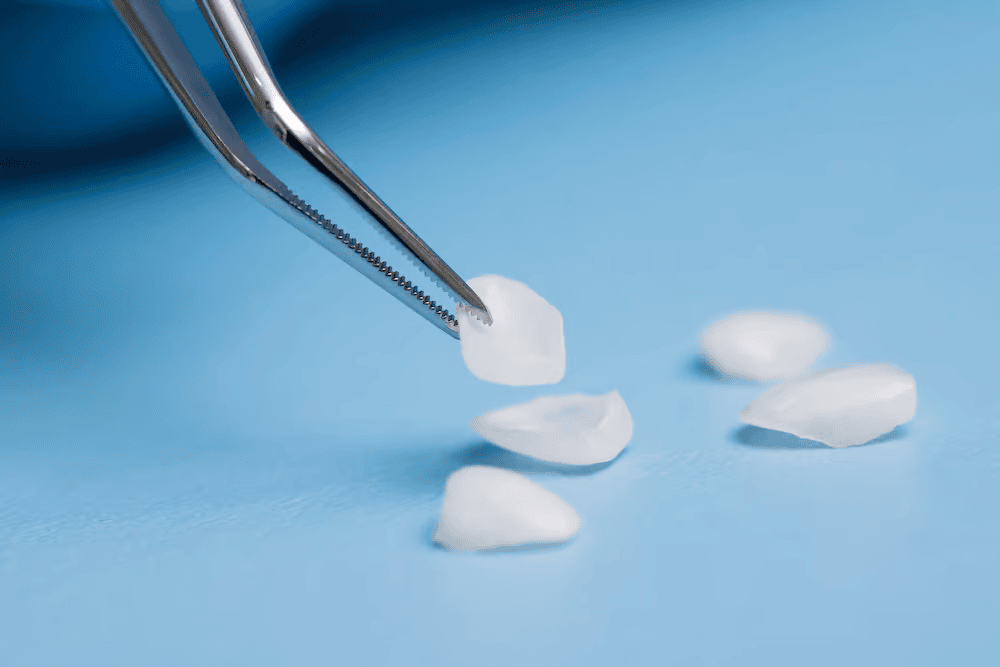
Veneers are thin “shells” that need enough natural tooth surface, especially healthy enamel, so the bonding material can work effectively. If a tooth is badly decayed, has a very large filling, or has too little remaining structure, a full dental crown is often a stronger and more durable option than a veneer.
In practice, the dentist will assess how much sound tooth structure and enamel are left in an older patient’s teeth. If there is still adequate enamel, veneers can remain a suitable and conservative choice.
3.No Severe Night‑Time Teeth Grinding
Teeth grinding during sleep creates very strong biting forces, which can crack or damage veneers, especially porcelain veneers.
If a patient has a history of mild bruxism, dentists usually recommend wearing a night guard while sleeping to protect both the veneers and the natural teeth, but in cases of very severe grinding, other treatment options or extra‑durable materials may be more appropriate.
4.Stable Bite and Occlusion
“Occlusion” refers to the way the upper and lower teeth come together. If the bite is unstable or significantly misaligned, new veneers can end up taking excessive force on certain spots, increasing the risk of chipping or fracture.
- To prevent : this the dentist will carefully assess the bite and design the veneers to blend harmoniously with the existing occlusion. In some cases, minor bite adjustments may be recommended before veneer treatment to help ensure long‑term stability and durability.
If your gums are healthy (or have been treated and stabilised), you have enough natural tooth structure, and you do not have severe habits that damage your teeth, then you can still be a good candidate for veneers even at an older age.
Benefits of Veneers for Older Adults
- Restored confidence : Many older adults who have spent years hiding their smile behind their hand or keeping their lips tightly closed when laughing find that a beautiful new smile completely changes how confident they feel in social situations, conversations, and everyday interactions.
- A younger-looking smile : As mentioned earlier, worn and shortened teeth can make the face look older. Using veneers to restore proper tooth length helps support the upper lip, makes the lips appear fuller, and can soften lines and wrinkles around the mouth.
- A long‑lasting investment : With today’s dental materials, especially porcelain veneers, patients can enjoy high strength, excellent stain resistance, and a typical lifespan of around 10–15 years or even longer with good care.
- Protection for worn teeth : In cases where the original tooth surface is worn or has small cracks, which is common in older adults, veneers act like a new protective shell that helps prevent further wear or fractures while preserving the remaining natural tooth structure.
- Multiple problems solved at once : Instead of going through separate treatments such as whitening (which may be less effective for age‑related internal discoloration), filling gaps, and minor orthodontic adjustments, veneers can address colour, shape, size, length, and mild alignment issues in a single, comprehensive solution.
Age is not a barrier to getting veneers. At About Tooth Dental Clinic, the belief is that a beautiful, confident smile can be created at any stage of life, and the dental team understands age‑related oral changes while designing smiles that look natural for each patient.
The dentists focus not only on correcting worn, chipped, or darkened teeth, but also on smile design that harmonises with each person’s facial structure and personality, so the final result looks balanced and truly natural.
If you would like a full‑mouth veneer treatment or just a few veneers to refresh your smile, you can book a consultation and oral health check‑up at About Tooth Dental Clinic, at either the Siam or Punnawithi branch, both conveniently located next to BTS stations. For more details or to make an appointment, please call 087-555-4665 or 080-481-5555, or contact the clinic via LINE Official: @abouttooth (with the @)
References
1.How Long Can You Expect Veneers to Last? Retrieved November 4, 2025, from https://www.healthline.com/health/how-long-do-veneers-last
2.Dental Veneers. Retrieved November 4, 2025, from https://www.webmd.com/oral-health/veneers

Dr. Nisara Tanarerkchai, D.D.S. is a dentist specializing in dental implants, orthodontics, and veneers. She graduated from the Faculty of Dentistry at Thammasat University. With extensive professional experience, she holds multiple certificates in various dental fields, including Advanced General Dentistry, Dental Implants, Advanced Orthodontics, as well as certificates in the Veneer Bootcamp and the Veneer Masterclass. Additionally, she is certified as a Platinum Provider of Invisalign for 2021 and achieved Zenyum Star Tier status in 2023.
Currently, Dr. Thanaruksachai is the founder of About Tooth Dental Clinic, which received the World Class Award 2021 in the category of The Best of International Healthy Business. She is also serves as a member of the Thai Association of Dental Implants (TADI).