Bad breath : What causes it and how to prevent it

Bad breath can be embarrassing, affecting our self-confidence and even our relationships. However, it’s important to remember that bad breath is a treatable condition, and understanding its causes and implementing proper oral care can help you achieve a fresh, healthy smile. In this article, we will explore the common causes of bad breath and provide practical tips to combat it effectively.

What are bad breath causes ? 

1.Dry Mouth:

Saliva plays a crucial role in maintaining oral health by washing away bacteria and food particles. Dry mouth, medically known as xerostomia, can contribute to bad breath as it allows bacteria to thrive. Stay hydrated by drinking plenty of water and consider using sugar-free chewing gum or lozenges to stimulate saliva production. If dry mouth persists, consult your dentist for appropriate treatment options.

Prevention 

Drink a lot of water all day to encourage salivation and lessen dry mouth.

2.Poor Oral Hygiene:

Bacteria can build up in the mouth from food particles that have become lodged or buried there. These food fragments can produce unpleasant odors and bad breath if ignored for a long time. People who have metal orthodontic appliances, small children who might not clean their mouths correctly, and the elderly who could have trouble maintaining good dental hygiene are among those who are more at risk.

Prevention 

After meals, brush your teeth and floss your teeth to get rid of food residue. After meals, brush your teeth and floss your teeth to get rid of food residue. Rinse your mouth with water or mouthwash to get rid of food particles and lessen foul breath if brushing isn’t an option.

3.Food Choices:

Certain foods, such as onions, garlic, and spices, can leave a lingering odor in the mouth. Additionally, crash diets and fasting can trigger ketosis, a metabolic state that can result in unpleasant breath. While it may not be practical to avoid these foods altogether, brushing, flossing, and using a mouthwash after meals can help minimize the odor. Drinking green tea and chewing on fresh parsley or mint leaves can also help freshen your breath naturally. Moreover, Smoking and alcohol consumption not only stain teeth but also contribute to chronic bad breath. These habits dry out the mouth and increase the growth of bacteria. 

Prevention 

After meals, brush your teeth, including your tongue, and use mouthwash to lessen the odor of food in your mouth.

4.Dental Issues:

Various dental problems such as tooth decay, gum disease, abscesses, and poorly fitted dental appliances can lead to chronic bad breath. Additionally, some systemic diseases may contribute to bad breath as the mouth is connected to the respiratory and digestive systems. For example, sinusitis or nasal congestion can cause post-nasal drip, leading to the accumulation of bacteria in the throat and mouth. This can result in persistent unpleasant breath.

Prevention 

Visit the dentist regularly for oral health examinations, and if you think there may be a medical issue causing your foul breath, consult a doctor.

booking

Article written by Dr.Nisara Tanarerkchai

In summary, bad breath can have multiple causes, including external and internal factors. To regain confidence, consider a comprehensive Tooth Spa Package that offers both beauty and cleanliness in one package. Choose a dental clinic that has a high reputation to high treatment standards. If you have any doubts or need additional information, consult a specialized dentist at About Tooth Dental Clinic. Our team of experienced dentists is available to provide advice and guidance on treatments such as airflow cleaning. For more details or to schedule an appointment, contact us at +66 (0)87-555-4665 (Siam Square Branch) or +66 (0)80-481-5555 (BTS Punnawithi Branch), or reach out to us on LINE@: @abouttooth.

 

Dr. Nisara Tanarerkchai, D.D.S. is a dentist specializing in dental implants, orthodontics, and veneers. She graduated from the Faculty of Dentistry at Thammasat University. With extensive professional experience, she holds multiple certificates in various dental fields, including Advanced General Dentistry, Dental Implants, Advanced Orthodontics, as well as certificates in the Veneer Bootcamp and the Veneer Masterclass. Additionally, she is certified as a Platinum Provider of Invisalign for 2021 and achieved Zenyum Star Tier status in 2023.

Currently, Dr. Thanaruksachai is the founder of About Tooth Dental Clinic, which received the World Class Award 2021 in the category of The Best of International Healthy Business. She is also serves as a member of the Thai Association of Dental Implants (TADI).

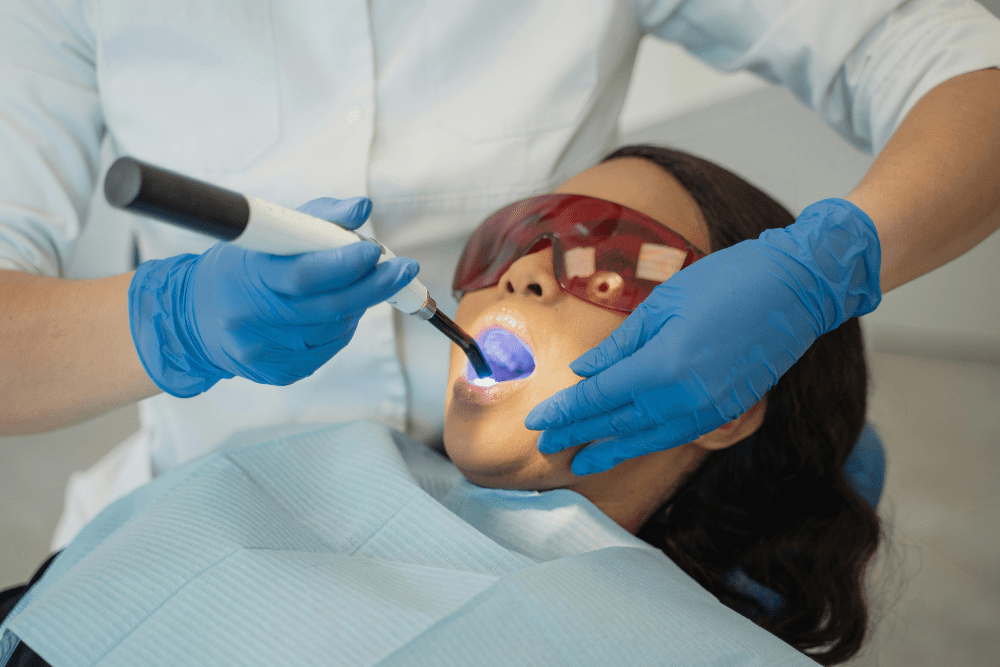
Continue ReadingBad breath : What causes it and how to prevent it

The Benefits of Airflow Technology for Gentle Teeth Cleaning

Airflow is a teeth‑cleaning technology that uses a controlled jet of air, water, and fine polishing powder directed onto the tooth surface and between the teeth to remove plaque and surface stains from tea, coffee, smoking, and certain foods quickly. It reduces the need for constant scraping with metal instruments on the tooth surface, so many patients find it feels smoother and more comfortable than traditional polishing methods.

Although Airflow can make teeth look cleaner and brighter, it is not the same as teeth whitening, so it should be combined with good home oral care and regular dental check‑ups to maintain the results over the long term.

What is Airflow ?

Airflow is a cutting-edge dental cleaning technology that combines air, water, and fine powder particles to gently and effectively remove plaque, stains, and tartar from your teeth. It offers a non-invasive, pain-free, and quick alternative to traditional cleaning methods.

Benefits of Airflow Technology

Thorough and Gentle Cleaning:

By utilizing a gentle stream of air, water, and powder particles, Airflow technology effectively removes build-up on your teeth without causing damage or discomfort. In contrast to traditional scraping methods, it ensures a thorough and gentle cleaning experience.

Speed and Efficiency:

Notably, Airflow technology offers significant advantages in terms of speed and efficiency compared to traditional cleaning methods. This results in reduced time spent in the dentist’s chair, making it the ideal choice for busy individuals seeking a quick and efficient dental cleaning.

Teeth Whitening Effect:

Moreover, Airflow technology goes beyond cleaning by providing a teeth whitening effect. By effectively eliminating surface stains, it leaves your teeth looking brighter and healthier.

Comfort for Sensitive Teeth:

Airflow technology is particularly beneficial for individuals with sensitive teeth who may experience pain during traditional cleaning methods. Its non-invasive nature ensures a comfortable experience, minimizing any discomfort that may arise.

Overall, Airflow technology is a game-changer in the world of dental hygiene. It’s a safe, effective, and pain-free method for cleaning your teeth, and it offers a range of benefits that traditional cleaning methods simply can’t match. If you’re looking for a more comfortable and efficient way to clean your teeth. About Tooth’s professional dentists will provide dental services and consultation for your oral health. Contact us for more information.


The importance of deep teeth cleaning with Airflow

  • Plaque and surface stains from tea, coffee, and smoking can build up on the tooth surface and between the teeth, making your smile look yellow and dull, causing bad breath, and increasing the risk of tooth decay and gum inflammation.
  • Airflow was developed to help clean areas that a toothbrush cannot easily reach and to remove surface stains that are difficult to polish away with conventional methods. It helps teeth look cleaner and brighter while being gentle on the enamel.

Airflow: What it is and how it works

  • Airflow is a teeth‑cleaning and polishing technology that uses a controlled mixture of air, water, and fine powder (such as sodium bicarbonate or glycine) sprayed under pressure onto the tooth surface.
  • The powder helps break up plaque and surface stains on the front, back, and in between the teeth, leaving the enamel feeling smoother and looking brighter, without needing to rely on coarse rubber cups and abrasive pastes all the time.
  • Most patients find the procedure gentler and more comfortable than traditional polishing, because it reduces the need for continuous scraping of the tooth surface with metal instruments.

How Airflow removes yellow stains and tea, coffee, and smoking stains

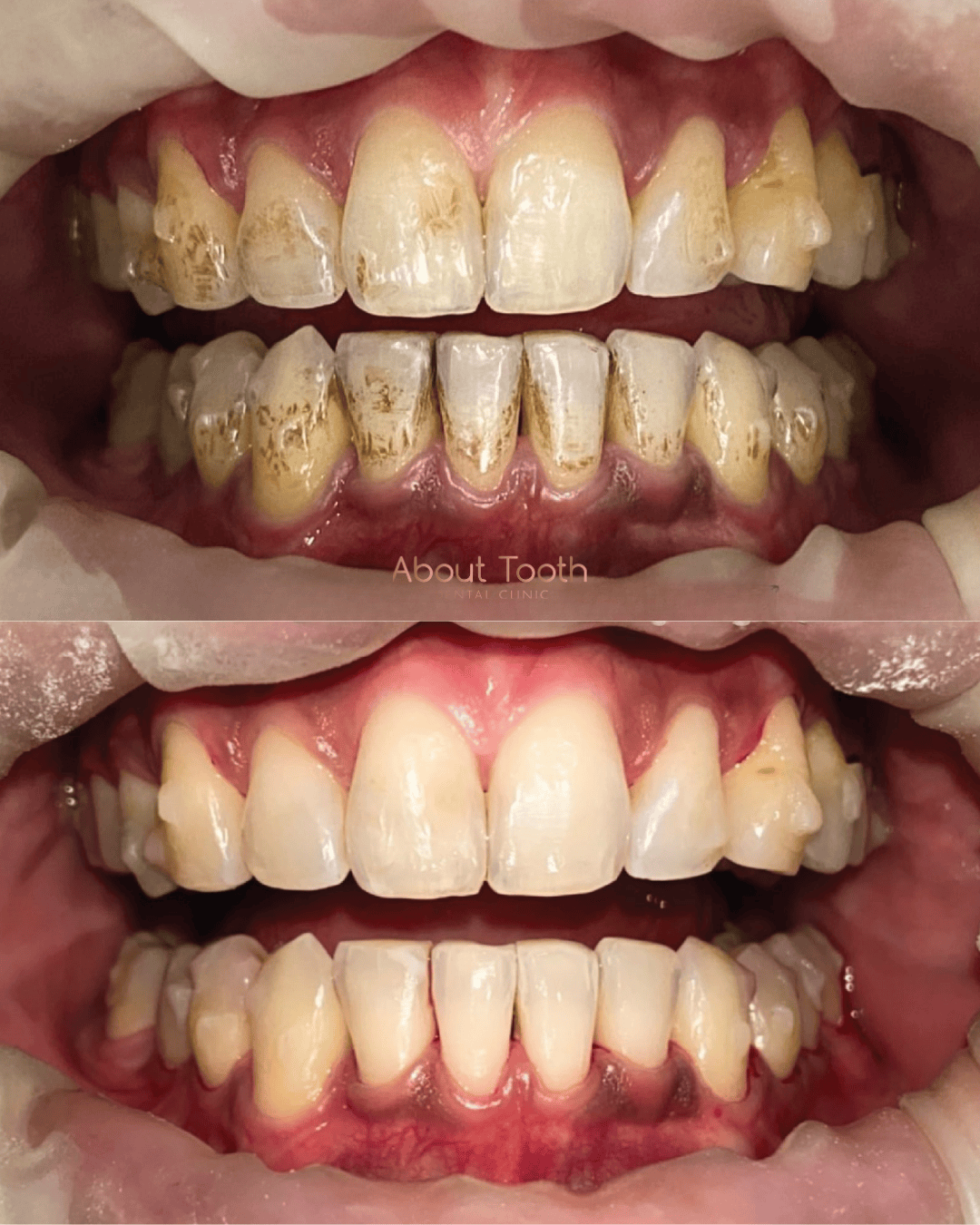
  • The Airflow system works by spraying a fine cleaning powder mixed with air and water onto the tooth surface, so the tiny particles gently impact and break up the colored deposits that stick to the enamel. This helps lift stains from tea, coffee, red wine, smoking, and strongly pigmented foods that regular brushing cannot remove effectively.
  • It is especially suitable for people who have a lot of surface staining from their lifestyle but whose underlying tooth structure is still healthy, making the teeth look cleaner, brighter, and the overall smile fresher after treatment. However, Airflow is a cleaning and stain‑removal procedure that works on the outer surface of the teeth, and it does not change the internal color of the enamel or dentin, so it is not considered a teeth‑whitening treatment.

How is Airflow different from scaling and teeth whitening? Compared with teeth whitening


Treatment

Main Purpose

What It Removes / Targets

Typical Sensation During Treatment

Visible Results

Scaling

To control oral diseases and prevent periodontal problems

Plaque and tartar around the teeth and along the gumline

May cause mild sensitivity or discomfort in some patients

Improved oral health and cleaner teeth

Airflow

To clean the tooth surface and improve the appearance of the smile

Plaque and external stains from coffee, tea, and smoking

A gentle spray of air and water; generally comfortable with minimal discomfort

Teeth look cleaner, smoother, and slightly brighter

Teeth Whitening

To lighten the internal color of the teeth

Intrinsic tooth discoloration and staining

Temporary tooth sensitivity may occur

Noticeably whiter and brighter teeth

airflow-2

Who is Airflow suitable for, and how often should you have it?

Who is a good candidate for Airflow?

  • People who regularly drink tea, coffee, red wine, or who smoke, and therefore tend to develop visible surface stains on their teeth easily.
  • People with braces, crowded or overlapping teeth, or other fixed dental appliances that make it difficult for a toothbrush to reach all areas. Airflow can help clean around brackets, wires, and tight spaces more effectively.
  • People who are nervous about pain or who dislike the sound and feel of traditional scaling instruments but still want a deep, thorough cleaning of their teeth.

Benefits, precautions, and aftercare for Airflow

Benefits

  • Teeth feel clean and smooth, surface stains are reduced, the procedure is quick, and it is generally less painful than traditional methods.
  • It is suitable for people with dental restorations, crowns, implants, or orthodontic appliances, because the fine powder can clean effectively around these areas.

Precautions and aftercare

  • Some people may experience slight, temporary tooth sensitivity after treatment, especially if they have exposed roots or are already prone to sensitivity.
  • After the procedure, it is recommended to avoid strongly colored foods and drinks (tea, coffee, dark soft drinks, red wine) for a short time to help the results last longer.
  • You should brush, floss, and clean your mouth regularly to prevent stains and plaque from building  up again quickly.

airflow-1

CTA : If your teeth are starting to look yellow or dull, or you can see tea, coffee, or smoking stains that make you hesitate to smile fully, you are welcome to consult us about deep cleaning with Airflow or other options that best suit your teeth at About Tooth Dental Clinic. Our dental team will examine your oral health, assess the amount of plaque and tartar, and recommend an appropriate treatment plan to help your teeth look clean and bright again so you can smile with confidence. 

You can book an appointment with a dentist for consultation and an oral health assessment at About Tooth Dental Clinic. We are open at both our Siam and Punnawithi branches, conveniently located right next to the BTS stations at each location. For more information or to schedule an appointment in advance, please call 087-555-4665 or 080-481-5555, or add us on LINE Official Account at @abouttooth to chat with our team.

References: 

  1. Revolutionizing Dental Cleanings: The Benefits of Airflow Technology . Accessed May 28, 2026. from: https://newyorkgeneraldentistry.com/revolutionizing-dental-cleanings-the-benefits-of-airflow-technology/ 

Book a consultation

Frequently asked questions about Airflow (FAQs)

Q: Does Airflow hurt?


A: Most people only feel the air and water spray against their teeth. Some may have slight sensitivity, especially around worn tooth necks or exposed roots, but overall it is usually more comfortable than traditional scaling.

Q: Does Airflow make teeth as white as whitening treatment?


A: Not as white as bleaching. Airflow focuses on removing surface stains from tea, coffee, smoking, and plaque, making teeth look cleaner and a bit brighter, but it does not change the internal tooth color like whitening does.

Q: Do I need scaling before having Airflow?


A: In most cases, dentists recommend scaling and cleaning the gums first, then using Airflow to refine the removal of surface stains and deposits around deep grooves or orthodontic appliances, so both the teeth and gums are thoroughly cleaned.

Q: How often should I have Airflow?
A: It is generally recommended every 6–12 months, depending on your habits. People who frequently drink tea or coffee, smoke, or build up stains easily may benefit from more frequent sessions. Your dentist can advise the best interval for you.

Q: How should I take care of my teeth after Airflow?


A: After treatment, dentists usually advise avoiding strongly colored foods and drinks for a short period. You should brush, floss, and clean your mouth regularly to reduce new stain buildup and help the results last longer.


Continue ReadingThe Benefits of Airflow Technology for Gentle Teeth Cleaning

Invisalign Vs. Braces: Learn About the Pros and Cons of Each

Orthodontic treatments are the only option if you want to correct your jaw and teeth alignment issues, improve your oral health, and achieve that perfect smile. Two of the most popular orthodontic treatments in Bangkok for straightening teeth are Invisalign and braces. The world of orthodontics is rapidly improving with each new treatment, so it’s crucial to understand the pros and cons of each orthodontic option to make an informed decision. Let’s take a look at Invisalign and braces as possible treatment options and make a comparison between the two.

What is Invisalign?

Invisalign is a relatively new technology that uses clear, removable aligners to shift your teeth into the desired positions gradually. The aligners are custom-made for each patient and appear virtually invisible, providing a more aesthetically pleasing appearance. It’s a more discreet and convenient option for those seeking to improve their smile as opposed to the appearance of traditional braces.

How Invisalign Works

A customized treatment plan is created using state-of-the-art 3D imaging technology. The patient receives a series of clear aligners worn for 20-22 hours daily, replacing each set every 10 days. Strong, medical-grade plastic material is used for the aligners, making them durable and comfortable for long periods. The treatment process will involve a series of appointments with your orthodontist to monitor your progress and make the necessary adjustments.

Who Are the Ideal Candidates?

This treatment option best suits patients with mild to moderate orthodontic issues, such as crowding, spacing, and mild overbites or underbites. It’s also ideal for adults and older teenagers who prefer a less noticeable treatment option. However, some patients with more severe or complex cases may not be suitable for Invisalign, leaving them with only the option of traditional braces.

What are Braces?

Get the perfect smile with an Invisalign package!

Braces use brackets, wires, and elastic bands to apply constant pressure on the teeth, gradually moving them into the desired position. This technology was the traditional option for decades before the advent of Invisalign technology due to its effectiveness in treating various orthodontic issues. It remains a very popular option with patients today.

Types of Braces

Traditional Metal Braces

This is the most common type and consists of metal brackets and wires which are very effective for treating a wide range of orthodontic issues. They are also typically the most affordable option.

Ceramic Braces

These are similar to metal braces but come with tooth-colored or clear brackets that are less noticeable. The downside is that they require diligent maintenance as they can stain easily.

Lingual Braces

They are similar in concept to metal braces, except that they are anchored to the back of the teeth, which makes them almost entirely invisible. However, this comes at the price of them being much more challenging to clean and maintain. There’s also an increased level of discomfort, especially during the initial adjustment period.

Who Are the Ideal Candidates?

The advantage of braces is their versatility in treating a broad range of orthodontic issues. This includes severe crowding, large gaps, and significant bite problems. They are also perfect for younger patients who may not possess the discipline required for Invisalign treatment. Braces can be made to accommodate individual preferences, with options for different bracket materials and colored bands.

Pros of Invisalign

Aesthetics

These clear aligners are almost completely invisible, offering a more discreet option for teeth alignment.

Removable

Unlike traditional braces, Invisalign is removable during eating, drinking, and cleaning, making it much more convenient. This feature allows for easier maintenance and a higher level of oral hygiene. With Invisalign, flossing and brushing become much simpler since the aligners can be removed at any time throughout the treatment.

Comfort

Invisalign offers greater comfort than traditional braces because it causes less irritation on the cheeks and gums. They lack the sharp edges and protrusion often associated with metal braces which can reduce the occurrence of mouth sores and injuries.

Cons of Invisalign

Cost

One of the prohibitive factors of Invisalign is its price. This is usually the most common pain point for patients considering this treatment option.

Limited Application

Invisalign is limited in its ability to correct severe orthodontic issues that require greater force and precision.

Need for Additional Treatments

Some patients may require additional treatments, such as attachments or refinements, which will increase the overall cost of the procedure. This will also end up extending the treatment duration.

Pros of Braces

Broad Range of Application

Unlike Invisalign, braces are suitable for treating a broad range of orthodontic issues, from mild to severe, making them more versatile.

Customizable Appearance

Patients have the option of choosing colored bands for metal braces, which allows them to add a personal touch to their treatment. For those more concerned about aesthetics, ceramics and lingual braces offer a more discreet appearance.

Lower Cost

Compared to Invisalign, braces are usually the more affordable option, which is a major factor in their popularity with patients.

Cons of Braces

Aesthetic Concerns

They are much more visible than Invisalign, which can be a major factor for patients more concerned with aesthetics, especially teenagers and adults.

Discomfort

Braces tend to cause more discomfort and irritation to the cheeks and gums. This is especially true during the initial adjustment period.

Difficulty with Oral Hygiene

Flossing and brushing can be challenging with metal braces, increasing the risk of dental issues like cavities and gum disease.

Dietary Restrictions

Patients with metal braces must restrict themselves from certain foods that can cause damage or dislodge the braces completely. These include hard, sticky, or chewy foods. Abstaining from certain foods can be more difficult for some patients during treatment.

Things to Consider When Choosing Between Invisalign and Braces

Severity of Orthodontic Issues

When choosing between the two treatment options, you must consider the severity of your orthodontic issues. Invisalign may be ideal for mild to moderate cases, while braces are more effective for patients that require more extensive treatment.

Aesthetics and Self-confidence

If the appearance of your orthodontic treatment is a significant concern, the Invisalign package would be the better option, given that it’s nearly invisible. However, you should also consider the discreet appearance offered by certain braces.

Cost

Cost is usually one of the main deciding factors for patients. It’s important to weigh the cost differences between Invisalign and braces, including the additional treatments and adjustments needed. Consider the long-term benefits and overall value of each treatment option before deciding.

Lifestyle and Discipline

Invisalign demands a higher commitment to consistently wear the aligners throughout treatment. On the other hand, braces may be a more suitable option for those who find it challenging to adhere to the Invisalign treatment plan, particularly younger patients who lack the necessary discipline to do so.

Treatment Duration

Treatment duration will vary between individual patients, but braces generally require a longer treatment time than Invisalign. Consider which treatment plan will be easier for you to commit to and how it will affect your daily routine.

If you’re considering starting an orthodontic treatment plan, contact About Tooth Dental Clinic for a detailed and professional assessment. We can provide thoughtful advice and answers on which orthodontic option will be best for you. Our team of expert and experienced dentists will be able to assess your condition and recommend a sound option for your case. Go with an experienced team of professionals to help you achieve the beautiful, healthy smile you desire.

booking

Dr. Nisara Tanarerkchai, D.D.S. is a dentist specializing in dental implants, orthodontics, and veneers. She graduated from the Faculty of Dentistry at Thammasat University. With extensive professional experience, she holds multiple certificates in various dental fields, including Advanced General Dentistry, Dental Implants, Advanced Orthodontics, as well as certificates in the Veneer Bootcamp and the Veneer Masterclass. Additionally, she is certified as a Platinum Provider of Invisalign for 2021 and achieved Zenyum Star Tier status in 2023.

Currently, Dr. Thanaruksachai is the founder of About Tooth Dental Clinic, which received the World Class Award 2021 in the category of The Best of International Healthy Business. She is also serves as a member of the Thai Association of Dental Implants (TADI).
Continue ReadingInvisalign Vs. Braces: Learn About the Pros and Cons of Each