What Is Tooth Erosion?
Tooth erosion is an oral health problem that may be overlooked, but if it continues without appropriate care, it can affect how the teeth look and function.
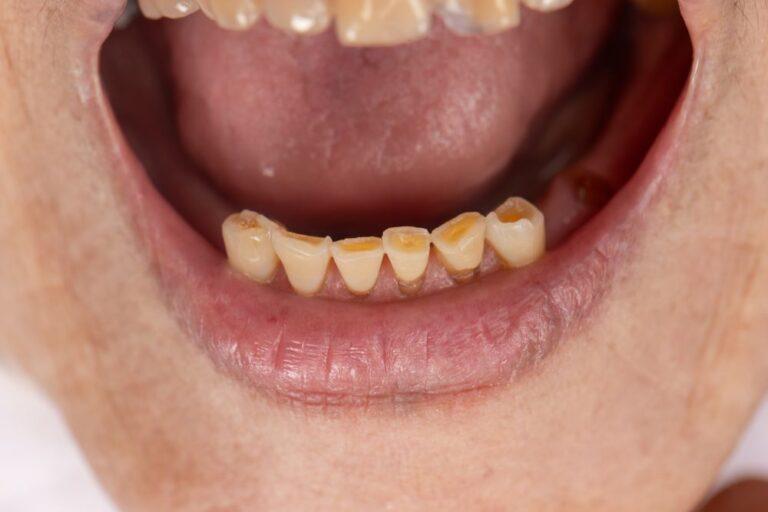
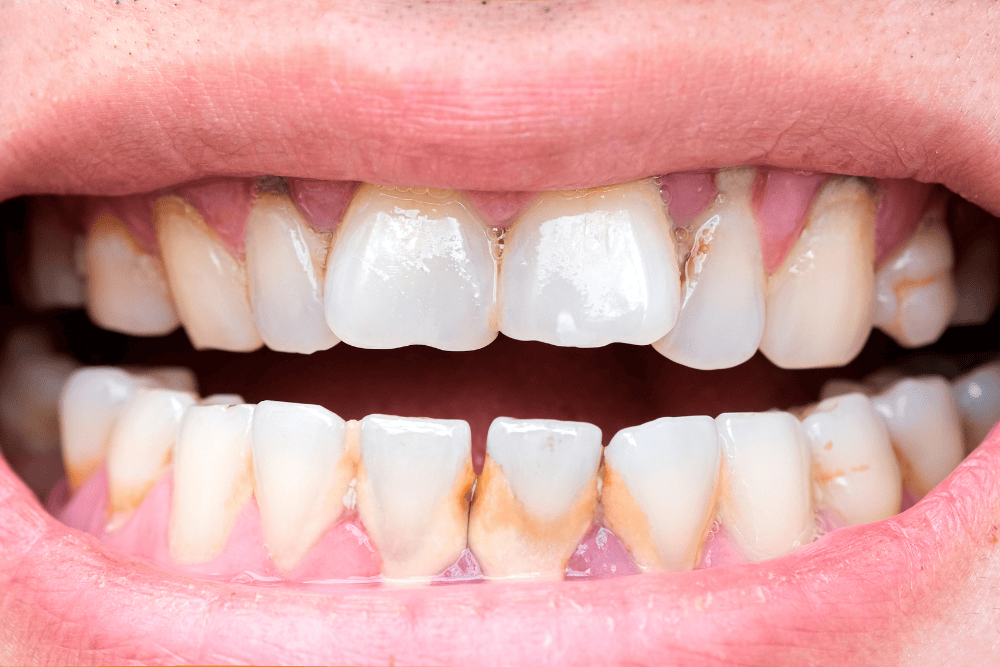
In clinical dentistry, tooth erosion refers to the gradual and irreversible loss of enamel caused by repeated exposure to acids that are not produced directly by decay-causing bacteria. The tooth surface may gradually become smoother, thinner, flattened, or hollowed in certain areas. As more enamel is lost, the underlying dentin may become exposed, making the teeth appear more yellow and feel increasingly sensitive.
Tooth wear can also be caused by mechanical forces, including aggressive brushing, chewing habits, or tooth-to-tooth contact from grinding. These forms of wear may occur alongside acid erosion and make the damage progress more quickly.
What Causes Tooth Erosion and Tooth Wear?
Aggressive Toothbrushing
Brushing with excessive pressure or using a hard-bristled toothbrush may contribute to abrasion, particularly around the gum line and exposed tooth roots.
Normal brushing with a soft-bristled toothbrush and fluoride toothpaste is unlikely to cause significant enamel wear. However, brushing aggressively especially when the enamel has recently been softened by acidic food or drinks may increase surface damage.
Acidic Foods and Drinks
Frequent consumption of acidic foods and drinks can soften and gradually wear away tooth enamel.
Common examples include:
- Soft drinks and sparkling drinks
- Sports and energy drinks
- Citrus fruits and fruit juices
- Sour sweets
- Vinegar and pickled foods
- Highly acidic sauces and beverages
Even sugar-free carbonated drinks may be acidic. The frequency and duration of acid exposure can be as important as the amount consumed, especially when acidic drinks are sipped repeatedly throughout the day or held in the mouth.
Teeth Grinding and Clenching
Teeth grinding or clenching places repeated pressure on the teeth. This tooth-to-tooth wear is known as attrition and may cause the biting surfaces to become flatter, shorter, cracked, or chipped.
Grinding may occur during sleep or during periods of stress. When it occurs together with acid-softened enamel, the teeth may wear down more quickly.
Bite Problems
An uneven bite may place excessive force on particular teeth. Over time, these areas may show more wear, chipping, cracks, or sensitivity than the surrounding teeth.
The dentist may assess the bite, tooth position, jaw movement, and signs of grinding to determine whether excessive force is contributing to the problem.
Acid Reflux and Recurrent Vomiting
Acid does not only come from food and drinks. Stomach acid may enter the mouth because of gastroesophageal reflux disease, recurrent vomiting, certain eating disorders, chronic alcohol use, or severe vomiting during pregnancy.
Repeated exposure to stomach acid can damage the inner surfaces and chewing surfaces of the teeth. In some patients, a dentist may notice the pattern of erosion before the patient realizes that reflux is occurring.
Signs and Symptoms of Tooth Erosion
Early tooth erosion may not cause obvious symptoms. As the damage progresses, patients may notice:
- Sensitivity to hot, cold, sweet, or acidic foods
- Teeth appearing more yellow as dentin becomes visible
- Smooth, shiny, or “melted-looking” tooth surfaces
- Flattened biting surfaces
- Small hollows or cupped areas on the teeth
- Chipped or thinning tooth edges
- Teeth appearing shorter
- Changes around existing fillings
- Pain or bite discomfort in more advanced cases
Because lost enamel does not grow back, early detection is important for preventing further damage.
How Is Tooth Erosion Treated?
Treatment depends on the cause, severity, symptoms, position of the affected teeth, and how much healthy tooth structure remains.
The first step is to identify and control the underlying cause. This may involve changing dietary habits, managing acid reflux, improving brushing technique, or using a night guard for grinding. Restorative treatment may then be considered when needed to protect the teeth and restore their appearance or function.
1. Mild Tooth Wear and Sensitivity
When the enamel loss is limited and sensitivity is mild, complex restorative treatment may not be necessary.
The dentist may recommend:
- Avoiding or reducing acidic foods and drinks
- Changing an aggressive brushing technique
- Using a soft-bristled toothbrush
- Using fluoride or desensitizing toothpaste
- Applying professional fluoride products when appropriate
- Monitoring the teeth at follow-up appointments
- Wearing a night guard if grinding is present
The goal is to reduce sensitivity and prevent the wear from progressing.
2. Moderate Tooth Wear
When the enamel loss is more noticeable, the teeth may become sensitive, develop small defects, or begin to change in shape.
The dentist may restore the worn area with a tooth-colored material, such as composite resin, to cover exposed dentin, improve the tooth shape, and protect the area from additional wear.
The most suitable material and treatment method depend on the location of the damage, the patient’s bite, and the remaining tooth structure.
3. Severe Wear Reaching the Dental Pulp
If the tooth has worn down deeply and the pulp or nerve becomes inflamed or infected, the patient may experience severe or persistent pain.
Root canal treatment may be required to remove the damaged pulp and preserve the tooth. A dental crown may then be recommended to protect the remaining tooth structure and restore strength and function.
In advanced cases, treatment may involve fillings, crowns, root canal treatment, veneers, or occasionally extraction, depending on the condition of each tooth.
How to Prevent Tooth Erosion
Choose an Appropriate Toothbrush
Use a soft-bristled toothbrush and avoid applying excessive pressure while brushing.
Ask a dentist or dental hygienist to demonstrate a suitable brushing technique if you notice wear around the gum line.
Use Fluoride Toothpaste
Fluoride toothpaste may help strengthen the tooth surface and support remineralization.
Patients at higher risk may require additional fluoride treatment or products recommended by their dentist.
Reduce Acid Exposure
Limit acidic food and drinks, particularly between meals.
When consuming an acidic drink:
- Avoid sipping it repeatedly over a long period
- Do not swish or hold it around the teeth
- Use a straw positioned toward the back of the mouth when appropriate
- Drink water or rinse with water afterward
- Consume acidic foods as part of a meal rather than alone
These habits can help reduce the length and frequency of acid exposure.
Do Not Brush Immediately After Acid Exposure
Acid temporarily softens the enamel surface. Rinse with water first and allow saliva time to neutralize the acid before brushing.
ADA patient guidance recommends waiting approximately one hour after acidic food or drinks before brushing.
Manage Acid Reflux or Recurrent Vomiting
Patients with frequent heartburn, acid regurgitation, sour taste, recurrent vomiting, or unexplained enamel erosion should discuss these symptoms with a dentist and doctor.
Managing the source of stomach acid is important because dental restoration alone will not prevent the problem from returning.
Manage Teeth Grinding
A custom night guard may help protect teeth from grinding-related wear in suitable patients.
The dentist may also assess the bite, jaw muscles, tooth position, and existing restorations before recommending treatment.
Attend Regular Dental Examinations
Regular examinations help the dentist compare changes in tooth shape, enamel texture, sensitivity, and bite over time.
The appropriate recall interval should be based on each patient’s risk and oral health condition.
Restoring Worn Teeth with Veneers
When wear affects the visible front teeth, veneers may be considered to improve tooth shape, proportions, color, and the overall appearance of the smile.
A veneer is a thin restoration bonded to the front surface of a tooth. Depending on the case, it may help cover worn or uneven edges and restore a more balanced smile. Veneers are among the restorative options that may be considered after enamel erosion has occurred.
However, veneers are not suitable for every worn tooth. Before treatment, the dentist should assess:
- The cause of the tooth wear
- The amount of enamel remaining
- The severity of grinding or clenching
- The patient’s bite
- Tooth sensitivity or cracks
- Whether the wear is still progressing
The underlying cause should be controlled before or alongside veneer treatment. Patients with grinding may also require a protective night guard after treatment.
When Should You See a Dentist?
Arrange a dental examination if you notice:
- Increasing tooth sensitivity
- Teeth becoming shorter or flatter
- Yellow areas becoming more visible
- Chipped or thinning tooth edges
- Pain when chewing
- Cracks or changes around fillings
- Frequent acid reflux or vomiting
- Signs of teeth grinding
- Rapid changes in the shape of the teeth
Early assessment can help reduce further tooth loss and may allow more conservative treatment.
If you are concerned about tooth erosion, worn teeth, sensitivity, or changes in tooth shape, you can schedule a consultation at About Tooth Dental Clinic. Our dentists can assess the cause and severity of the tooth wear and recommend an appropriate treatment plan. Depending on the condition, treatment may include preventive care, composite restorations, crowns, root canal treatment, a protective night guard, or veneers.
You can book an appointment with a dentist for consultation and an oral health assessment at About Tooth Dental Clinic. We are open at both our Siam and Punnawithi branches, conveniently located right next to the BTS stations at each location. For more information or to schedule an appointment in advance, please call 087-555-4665 or 080-481-5555, or add us on LINE Official Account at @abouttooth to chat with our team.

References
Dental Erosion. Accessed July 22, 2026. from: https://www.ada.org/resources/ada-library/oral-health-topics/dental-erosion/

Dr. Nisara Tanarerkchai, D.D.S. is a dentist specializing in dental implants, orthodontics, and veneers. She graduated from the Faculty of Dentistry at Thammasat University. With extensive professional experience, she holds multiple certificates in various dental fields, including Advanced General Dentistry, Dental Implants, Advanced Orthodontics, as well as certificates in the Veneer Bootcamp and the Veneer Masterclass. Additionally, she is certified as a Platinum Provider of Invisalign for 2021 and achieved Zenyum Star Tier status in 2023.
Currently, Dr. Thanaruksachai is the founder of About Tooth Dental Clinic, which received the World Class Award 2021 in the category of The Best of International Healthy Business. She is also serves as a member of the Thai Association of Dental Implants (TADI).