Discover Cosmetic Dentistry Services

About Tooth Dental Clinic is a dental clinic near the BTS in Bangkok that provides services and treatments that can make perfectly healthy teeth look even better. When you’re unsatisfied with your smile, discover the expert range of cosmetic dentistry services available at About Tooth Dental Clinic.

We’ll take you through the range of cosmetic dentistry services we offer. When you visit us, we’ll recommend the right treatments to enhance your smile and self-confidence. 

What Is Cosmetic Dentistry and Who Needs It?

Cosmetic dentistry focuses on smile aesthetics, unlike standard dentistry, which addresses oral health.

Common candidates for cosmetic dentistry include people with teeth that are:

  • Chipped 
  • Misaligned
  • Discolored

Along with a brighter and more radiant smile, this type of dentistry also offers the psychological benefits of improved confidence in a person’s social interactions.  

Popular Cosmetic Dentistry Services and Treatments

Two of our most popular cosmetic dentistry services are also our quickest to perform. 

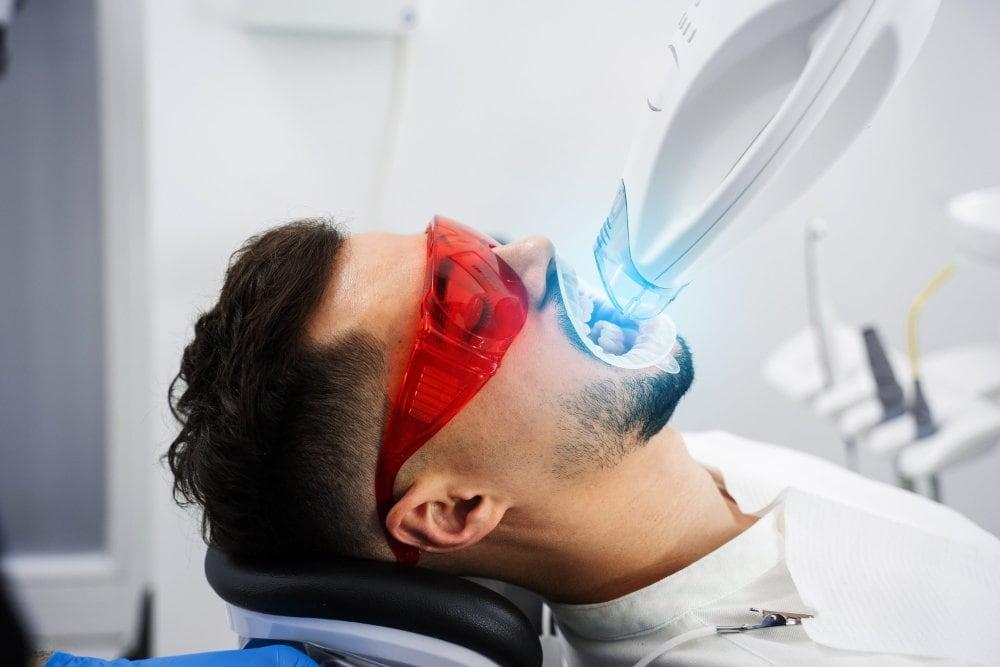
  • Teeth Whitening: Having your teeth professionally whitened can dramatically improve your overall appearance. It can safely whiten dull and dingy teeth and make your smile radiant. 
  • Dental Bonding: This treatment can conceal minor, unsightly cracks, imperfections, and discoloration. It can also change the shape of a tooth to more closely match surrounding teeth.  

Dental Veneers: The Smile Makeover Solution

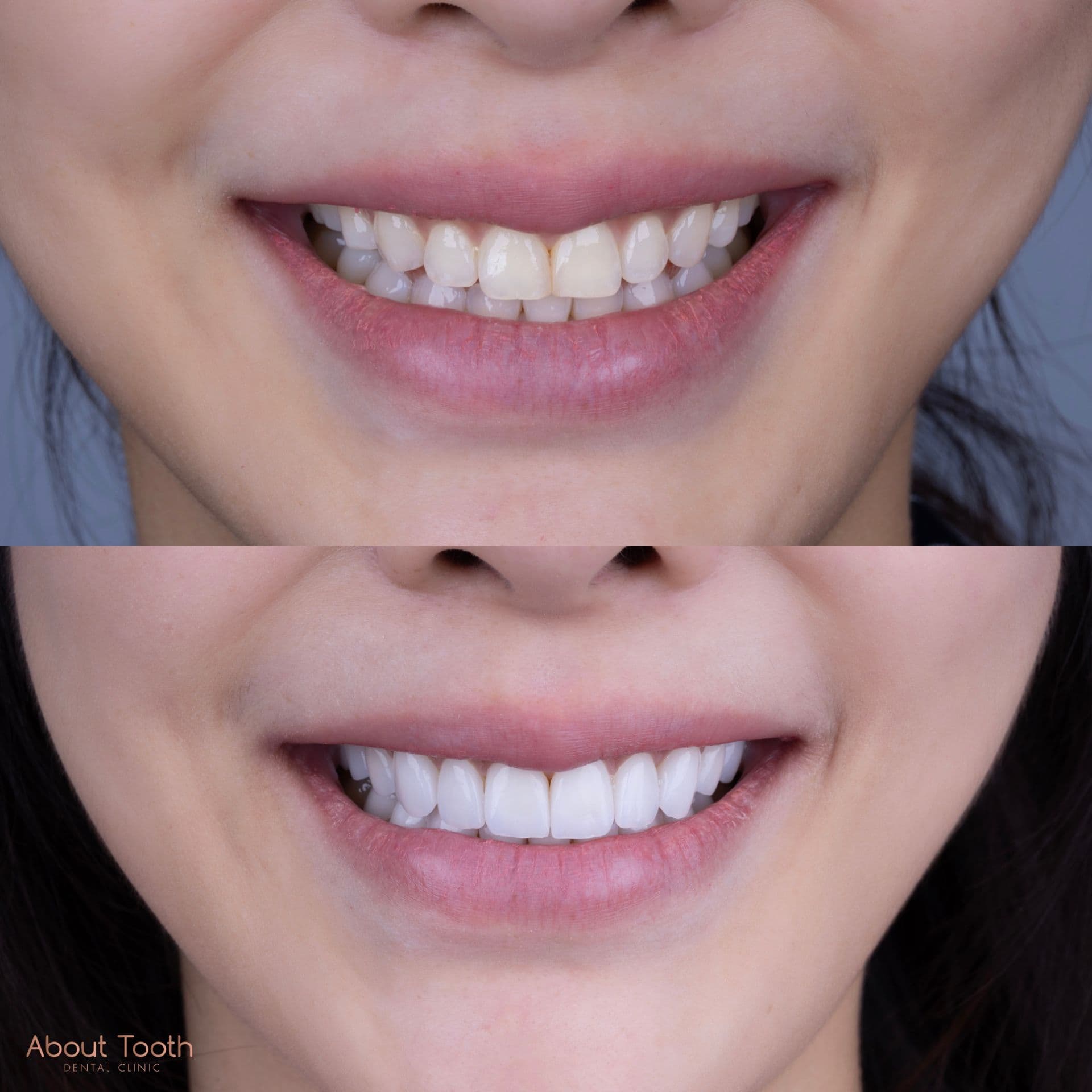
Dental veneers can provide an even, white smile

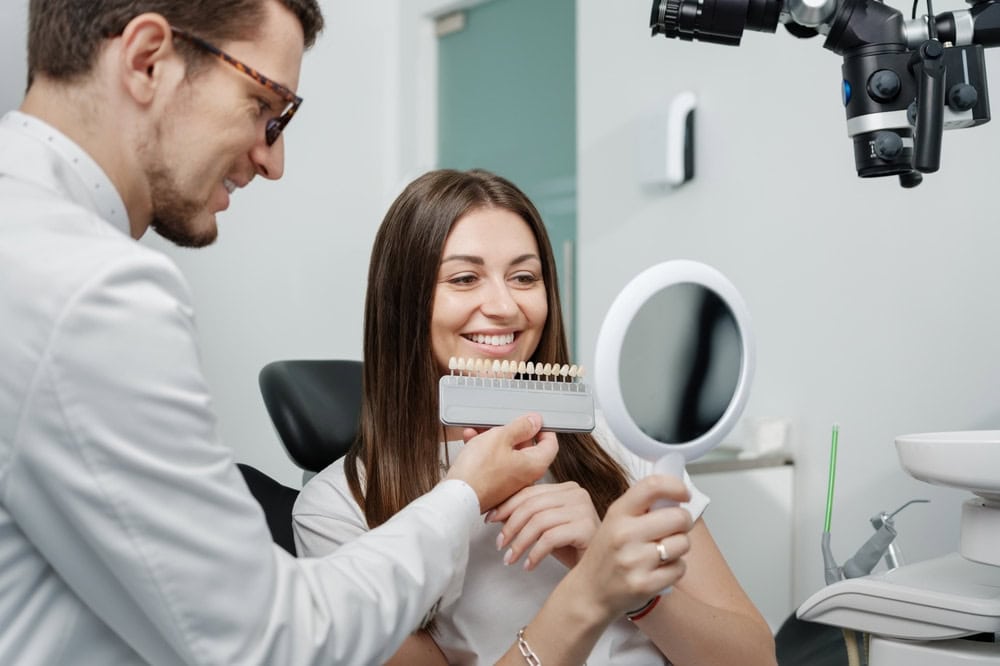
Dental veneers are a popular solution for people who have cosmetic issues with several of their teeth and want a solution that offers a matching set of perfect white teeth. There are two main types of veneers to choose from:

  • Porcelain Veneers: Porcelain veneers provide a more natural-looking smile. They’re also more stain-resistant and can last for 10-15 years or more. However, they’re more expensive than composite and require two or more dentist visits to complete from the initial consultation. 
  • Composite Veneers: These are less expensive and can be applied in a single visit. They are also easier to repair but less durable and last about 5-7 years.

Veneers need gentle brushing, daily flossing, and rinsing after coffee, tea, or dark berries. Avoid chewing hard candies or ice, and don’t use your teeth to open things. 

Dental Implants: Replace the Old With New Teeth

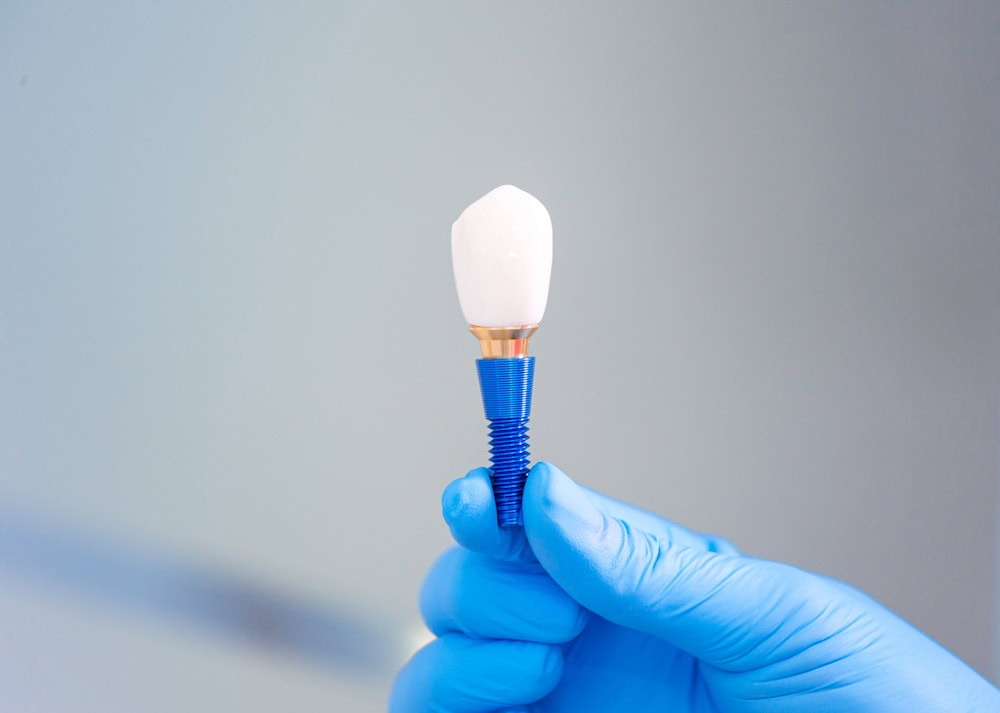
Dental implants allow you to replace damaged or missing teeth completely and maintain a full smile. The procedure takes two or three visits, with time left for gums to heal for about 4 to 6 months between visits. The series of appointments generally consists of:

  • Initial consultation 
  • Tooth implant
  • Crown attachment to the implant 

The procedure starts on the second visit with a titanium implant placed into your jaw and gums. After healing, the implant can be connected to a porcelain crown, giving you a tooth that perfectly matches your surrounding teeth.  

Gum Contouring: Reduce a “Gummy” Smile

Gum contouring is a procedure to reduce the size of your gums relative to your teeth. It can make small teeth look bigger and transform a “gummy” smile into one that shows more teeth. 

The procedure uses a scalpel or a laser to remove excess gum tissue around the teeth and provide a more balanced smile. A gum contouring procedure generally takes one to two hours to complete.  

Invisalign Aligners: An Alternative to Braces

Invisalign aligners are a comfortable and easily removable alternative to wearing braces for months or years. These clear polymer aligners can be removed during mealtimes, for social functions, or for brushing teeth. 

A Full Mouth Reconstruction Combines Procedures

A full mouth reconstruction is for those with multiple, severely damaged, misaligned or decayed teeth. The procedures involved in a full mouth reconstruction combine dental implants, crowns, and veneers to restore a perfect smile that the owner can be proud of.   

How Much Does Cosmetic Dentistry Cost?

To choose the most appropriate plan, factor in the lifespans and upkeep costs of procedures. 

Check with your insurer before starting any cosmetic procedure, as most dental insurance plans don’t provide coverage for cosmetic dentistry.  

About Tooth Dental Clinic’s Full-Service Cosmetic Dentistry

About Tooth Dental Clinic offers comprehensive cosmetic dental services and treatments designed to enhance your smile. Every dental treatment begins with a thorough consultation, during which you’ll be informed of:

  • Expected lifespan of the treatment
  • Maintenance requirements
  • Recovery time and aftercare
  • Post-treatment care and lifestyle modification requirements

Enjoy a brighter smile by making an appointment at About Tooth Dental Clinic today. 

booking

References:

  1. Cosmetic Dentistry – Retrieved September 16, 2025, from: https://my.clevelandclinic.org/health/treatments/23914-cosmetic-dentistry 
  2. A Full Mouth Rehabilitation: Restorative dental treatments to rebuild your smile – – Retrieved September 16, 2025, from: https://www.bangkokhospital.com/en/bangkok/center-clinic/dental-care/full-mouth-rehabilitation/overview

Dr. Papatsara Veerapol, D.D.S. is a dentist specializing in orthodontics, dental implants, and prosthodontics (veneers, dentures). She graduated with honors (Second Class) from the Faculty of Dentistry at Chulalongkorn University. She later earned a Master’s degree in Prosthodontics from Srinakharinwirot University. With extensive work experience, she holds an Advanced General Dentistry Certificate and is certified as a Platinum Provider of Invisalign for 2021 and achieved Zenyum Star Tier status in 2023.

Currently, she is the founder of About Tooth Dental Clinic, which was honored with the World Class Award 2021 in the category of The Best of International Healthy Business. She also serves as a member of the Thai Association of Dental Implants (TADI) and the Thai Prosthodontics Association.
Continue ReadingDiscover Cosmetic Dentistry Services

Missing Teeth Replacement

In the past, people with missing teeth had very few replacement options. A bridge or removable dentures and dental appliances were often the only approach. These replacement teeth resembled the same shape and color as your existing teeth. They were held in place by metal or hard plastic clips that fastened onto existing teeth on either side of the existing gap. These dental bridges made eating difficult and required nightly removal for cleaning.

Tooth implants and fixed bridges helped to advance tooth replacement technology and offer more options for replacing missing teeth that were both aesthetically pleasing and functional. Along with partial dentures, people now have three options to explore that could restore a smile.

Reasons for Replacing Missing Teeth

Many people often believe they could manage without their missing teeth however, the absence of a missing tooth can often lead to various health complications

Difficulty chewing from missing molars results in large, partially chewed food, causing digestive problems. They can cause blockages or be painful to pass through your digestive system. Your body is also unable to absorb the nutrients from these unchewed food pieces.

Also, a smile gap might cause nearby teeth to drift and become spaced out. A complete set of teeth helps maintain proper tooth alignment.

Three Options for Missing Teeth

Let’s take a closer look at three of the most common types of tooth replacement so you can decide which works best for your lifestyle.

Dental Implants

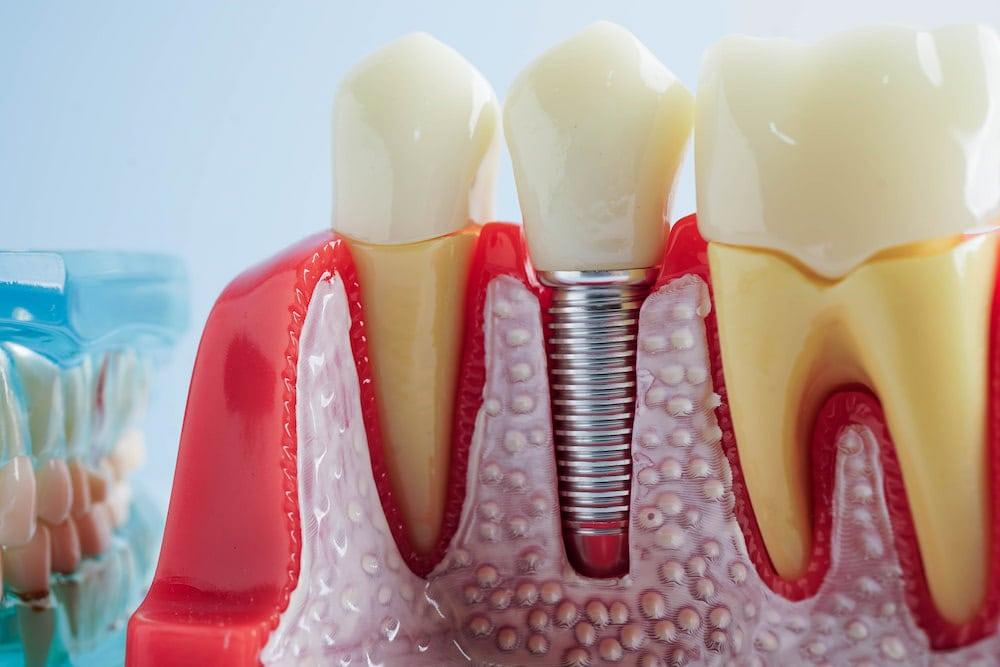
Dental implants are an ideal route if you require a fully functional set of teeth. A dental implant has three components: the implant, which acts as a tooth root, is embedded in your jawbone. The abutment is then attached to the top of the implant, connecting it to the crown. Lastly, the crown is the ceramic, natural-looking tooth colored to match the rest of your teeth.

Dental implants can replace a single tooth or several teeth. Full-mouth implants can replace an entire row of teeth with only four or five implants.

Dental Bridges

A dental bridge supports a replacement tooth

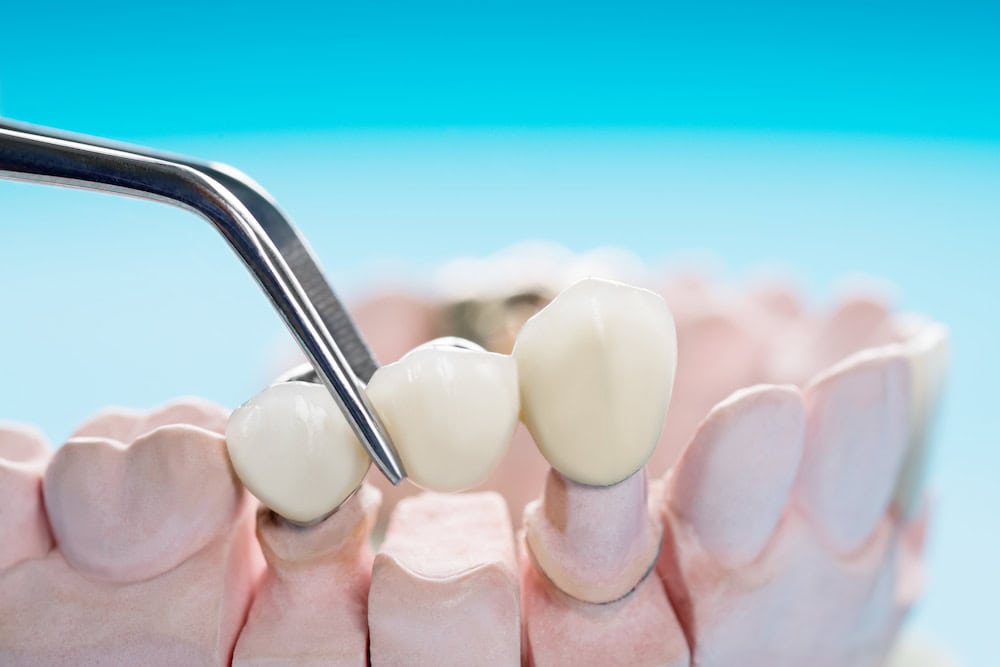
A dental bridge is a method of providing a missing tooth that uses adjacent teeth for support. These teeth become anchors that support the replacement tooth. The installation of dental bridges requires the teeth on either side of the gap gap to be filed down and covered with crowns. The crowns are attached to the new tooth and create a sturdy dental mechanism that blends into your natural smile.

Partial Dentures

A partial denture ready to be worn

Despite the popularity of either a tooth implant or a dental bridge due to the long=term benefits, partial dentures still have a place in modern dentistry.

A dental implant often takes months to fully complete due to the jawbone healing time needed between implant placement and crown installation. If the implant forms a part of the front teeth, then the subsequent results will most certainly help a patient regain confidence.

Partial dentures are often much less expensive than having a dental implant or a dental bridge installed. They also do not require any surgery and can take less than a week to mold and fit. The only drawback is that they easily dislodge, and they are not comfortable to eat with.

Choose Your Type of Tooth Replacement in Bangkok

About Tooth Dental Clinic offers three types of tooth replacement and a full range of dental and orthodontic services, including self-ligating braces and Invisalign aligners.

With have three convenient Bangkok branches on Khaosan Road, Sukhumvit 101/1, and Whizdom 101. Our dental expertise will ensure replacing your missing teeth restores confidence. Contact About Tooth Dental Clinic to schedule an appointment.

booking

Dr. Nisara Tanarerkchai, D.D.S. is a dentist specializing in dental implants, orthodontics, and veneers. She graduated from the Faculty of Dentistry at Thammasat University. With extensive professional experience, she holds multiple certificates in various dental fields, including Advanced General Dentistry, Dental Implants, Advanced Orthodontics, as well as certificates in the Veneer Bootcamp and the Veneer Masterclass. Additionally, she is certified as a Platinum Provider of Invisalign for 2021 and achieved Zenyum Star Tier status in 2023.

Currently, Dr. Thanaruksachai is the founder of About Tooth Dental Clinic, which received the World Class Award 2021 in the category of The Best of International Healthy Business. She is also serves as a member of the Thai Association of Dental Implants (TADI).

Continue ReadingMissing Teeth Replacement

What Are Ceramic Veneers vs Composite Veneers?

What are ceramic veneers and how do they compare to composite? Dental veneers are one of the fastest ways to correct chipped, stained, gapped, or uneven teeth and transform a smile. 

At About Tooth Dental Clinic in Bangkok, two veneer options dominate patient consultations: composite and ceramic. Each material delivers very different results in terms of cost, durability, and appearance. This guide breaks down both options so you can decide which one fits your smile goals, timeline, and budget.

Quick Comparison at a Glance

FeatureComposite VeneersCeramic Veneers
MaterialComposite resinPorcelain / ceramic
Lifespan5–7 years10–15+ years
Price in Bangkok (per tooth)6,000–9,000 THB14,000–19,000 THB
Procedure time1 visit (2–3 hrs)2–3 visits over 7–14 days
Stain resistanceLow to moderateHigh
RepairableYesNo (full replacement)
Best forBudget, quick fixesLong-lasting smile makeovers

What Is Composite Veneers?

What is composite veneers? Composite veneers are tooth-colored shells made from composite resin, the same material used for white fillings. Your dentist applies the resin directly to the front surface of your teeth and sculpts it by hand into the desired shape. A curing light hardens the material, and the veneer is polished to a natural finish.

The entire treatment is completed in a single visit of roughly two to three hours, making composite an appealing option for patients who want fast results.

Key features of composite veneers:

  • Applied directly to the tooth in one visit
  • Minimal to no enamel removal required
  • Fully customizable in color and shape
  • Repairable if chipped or damaged
  • More affordable than ceramic

Composite veneers before and after results depend heavily on the dentist’s artistic skill. Because the resin is shaped by hand, the final appearance varies from one clinician to another. Well-executed cases close small gaps, brighten stained teeth, and reshape chipped edges with no downtime.

Limitations to consider:

  • Prone to staining from coffee, tea, wine, and curry
  • Shorter lifespan than ceramic (typically 5–7 years)
  • Less translucent than natural enamel
  • May lose polish over time and need re-polishing

คอมโพสิตวีเนียร์ VS เซรามิกวีเนียร์ เลือกแบบไหนดี

What Are Ceramic Veneers?

What are ceramic veneers? Ceramic veneers are thin, custom-made shells crafted from porcelain or ceramic materials in a dental laboratory. Your dentist takes a precise impression of your teeth, and a ceramist fabricates each veneer to match your natural color, shape, and translucency. The finished veneers are bonded to the tooth surface using specialized dental adhesive.

Ceramic veneers are the gold standard for smile makeovers because they mimic the light-reflecting properties of real enamel.

Key features of ceramic veneers:

  • Fabricated in a dental lab over 7–14 days
  • Highly resistant to stains and discoloration
  • Multiple shade levels for customized whiteness
  • Long lifespan of 10–15 years or more
  • Natural translucency that matches real teeth

Ceramic veneers before and after transformations are typically more dramatic and long-lasting. Because the veneers are made off-site with digital design tools and precise lab work, the result is highly predictable. Patients with darkened teeth, fluorosis stains, or multiple cosmetic issues often see the biggest visual change with ceramic.

Limitations to consider:

  • Higher upfront cost
  • Requires 2–3 visits across 1–2 weeks
  • A thin layer of enamel (around 0.3–0.5 mm) is permanently removed
  • Cannot be repaired if cracked; full replacement is needed

ceramic-veneer

Cost of Veneers in Thailand

Thailand is one of the most affordable destinations for quality veneer treatment, which is why so many international patients combine dental work with a holiday in Bangkok. Dental veneer prices in Bangkok typically fall within the following ranges:

  • Composite veneers: 6,000–9,000 THB per tooth
  • Porcelain or ceramic veneers: 14,000–19,000 THB per tooth
  • Premium ceramic (IPS e.max, super-thin): up to 25,000 THB per tooth

Compared to the United States, where porcelain veneers often cost USD 1,200–2,400 per tooth, patients can save up to 80% by choosing a reputable Bangkok dental clinic like About Tooth Dental. A full smile makeover of 8–10 teeth costs significantly less in Thailand while delivering comparable clinical quality, especially at clinics using digital smile design and on-site or partnered dental labs. Final pricing depends on the veneer material, the number of teeth treated, the complexity of the case, and any preparatory work like cleaning or whitening.

Which Veneer Is Right for You?

Choose composite veneers if you:

  • Want results in a single visit
  • Are working within a tighter budget
  • Need a small chip, gap, or minor cosmetic fix
  • Prefer a reversible, enamel-preserving option

Choose ceramic veneers if you:

  • Want a long-lasting smile transformation
  • Are treating multiple front teeth
  • Have darkened or heavily stained teeth
  • Value natural translucency and stain resistance

For many patients, a consultation reveals that a combination of veneers and other treatments, such as teeth whitening or orthodontics, delivers the best overall result.

Why Choose About Tooth Dental Clinic

About Tooth Dental Clinic is a trusted cosmetic dental clinic in Bangkok with two convenient locations: Siam Square Branch inside SIAMSCAPE Tower and BTS Punnawithi Branch at True Digital Park. Our team of experienced cosmetic dentists specializes in composite and ceramic veneer treatments, combining advanced digital smile design with high-grade materials to deliver natural-looking results. Every case begins with a personal consultation, detailed shade matching, and a treatment plan customized to your facial features and smile goals. 

With thousands of successful veneer cases and consistently strong patient reviews, About Tooth is a reliable choice for both local and international patients seeking quality cosmetic dentistry at competitive Bangkok prices.’

Book Your Veneer Consultation in Bangkok

Ready to plan your new smile? Book a consultation at About Tooth Dental Clinic and speak with an experienced cosmetic dentist about the best veneer option for you.

booking

Frequently Asked Questions About All-on-4

Q1: Can I eat normally after getting veneers? 

A: Yes, but avoid biting hard foods like ice, bones, or hard candy, especially in the first 24 hours. These can crack either veneer type.

Q2: Will the veneers look obviously fake? 

A: No, not when properly designed. A skilled cosmetic dentist matches shade, shape, and translucency so your veneers blend with your natural teeth.

Q3: Do I need to whiten my teeth before veneers? 

A: Often yes. Because veneers do not respond to whitening gel, your dentist may recommend whitening your natural teeth first to create a uniform shade.

Q4: Can I get veneers if I grind my teeth? 

A: Grinding can crack or dislodge veneers. If you grind at night, your dentist will likely recommend a custom nightguard before treatment.

Q5: How do I care for my veneers daily? 

A: Brush twice a day with a non-abrasive toothpaste, floss gently around each veneer, and visit your dentist every six months for cleaning and checkups.

Q6: Can veneers fix crooked teeth? 

A: Minor alignment issues, yes. For significantly crooked teeth, orthodontics or Invisalign is usually recommended before or instead of veneers.

Q7: Are veneers covered by insurance? 

A: Usually not. Veneers are considered cosmetic dentistry, so most insurance plans do not cover them. Check your specific policy for exceptions.

Continue ReadingWhat Are Ceramic Veneers vs Composite Veneers?

Fixed Bridges vs. Dental Implants

Nowadays, people generally have two options when they need to replace one or more missing teeth: a fixed bridge or a dental implant. We’ll explain both of these options in detail, as well as list the pros and cons of each, so you can make an educated decision on which option is better for your particular case and lifestyle.

We’ll also discuss the relative permanence and costs of dental implants and fixed bridges, as these factors can also affect your decision. Let’s start by explaining each of the treatments.

Dental Implant

Dental implants have surpassed dental prosthetics and dentures as the most popular replacements for missing teeth. A dental implant consists of three connected parts: the implant, an abutment, and the crown. The implant is typically a titanium screw that’s inserted into the jawbone in the space where the missing tooth was. Depending on the complexity, the implant procedure is typically completed in two to four steps.

In the first step, the dentist makes an incision into the gum tissue, inserts the implant into the jawbone, then allows the wound to heal and the implant to stabilize and fuse with the jawbone. They may also augment the bone tissue by doing a bone graft that provides more area surrounding the implant. The healing can take from 4 to 6 months before the jaw is ready for the second step.

In the second step, the dentist attaches the abutment to the top of the screw. This is a failsafe device that can be disconnected from the implant and crown, allowing the implant to remain in the jaw in case of damage to the crown. The crown is also generally attached during the second step to finish the total implant procedure.

Fixed Bridge

Fixed bridges are anchored by surrounding teeth

Fixed bridges are the most requested alternatives to dental implants. The name “fixed bridge” basically describes the treatment. The bridge has a dental crown and prosthesis on it and spans the gap left by the missing tooth. The bridge is fixed and anchored to the two teeth on either side of the gap.

However, this necessitates altering the two teeth on either side of the gap to serve as anchor points for the bridge. The teeth are filed down and covered by matching crowns attached to the bridge.

Pros and Cons of Dental Implants vs. Fixed Bridges

While both of these treatments are considered to be far superior to dentures or removable prosthetics, they do have some advantages and drawbacks that people need to be aware of.

Pros and Cons of Dental Implants

One of the major pros of dental implants is their permanence. They can last for 15 years or more. They also don’t affect the teeth around the implant the way dental bridges do, and they have a 97% success rate.

The cons are the higher up-front costs. A single dental implant can cost twice the price of a single fixed bridge. The dental implant procedure also takes much longer to complete than a fixed bridge, with months of healing in between the first two steps. The surgical nature of the procedure can also lead to complications.

Pros and Cons of a Fixed Bridge

The pros of undergoing a fixed bridge treatment are the lower up-front costs and the fact that they don’t require bone grafting or invasive surgery. They are also much faster to install. A fixed bridge can typically be installed in two to three visits within as little as a week.

The cons of a fixed bridge are that it has to be replaced every 5 to 7 years, which may lead to higher overall costs. The bridge can also create more cavities and problems in surrounding teeth, and they can lose their natural look over time.

Choosing Between a Fixed Bridge vs. a Dental Implant

There are many other things to keep in mind when making a decision between the two types of tooth replacements. The cost, time required to complete the treatments, and levels of complexity involved can be a factor, especially when you have more than one tooth to replace. Your general health is also a factor if you plan on undergoing the surgery required for a full-mouth dental implant within a short period.

If you’re having trouble deciding between these two treatments or have some questions you’d like to ask, schedule an appointment for an examination and consultation at either of our About Tooth Dental Clinics in Bangkok. We’ll help you decide which treatment is right for you.

booking

Dr. Papatsara Veerapol, D.D.S. is a dentist specializing in orthodontics, dental implants, and prosthodontics (veneers, dentures). She graduated with honors (Second Class) from the Faculty of Dentistry at Chulalongkorn University. She later earned a Master’s degree in Prosthodontics from Srinakharinwirot University. With extensive work experience, she holds an Advanced General Dentistry Certificate and is certified as a Platinum Provider of Invisalign for 2021 and achieved Zenyum Star Tier status in 2023.

Currently, she is the founder of About Tooth Dental Clinic, which was honored with the World Class Award 2021 in the category of The Best of International Healthy Business. She also serves as a member of the Thai Association of Dental Implants (TADI) and the Thai Prosthodontics Association.

Continue ReadingFixed Bridges vs. Dental Implants

What is Tooth Sensitivity?

Most of us have experienced tooth sensitivity at some point. It’s that sudden jabbing pain you feel when you drink hot or cold liquids or when you inhale and your teeth are suddenly exposed to air. Tooth sensitivity can feel like an electric shock that you experience many times during your day, making your life miserable.

Causes of Tooth Sensitivity

Tooth sensitivity generally means that some surface areas of your teeth aren’t protecting the roots of your teeth. The roots carry nerves that can be triggered by air or hot and cold sensations and deliver a jolt of pain.

Causes can include:

  • Enamel erosion
  • Gum disease and recession
  • Dental procedures
  • Tooth decay
  • Diet
  • Aggressive brushing
  • Acidic food and drinks
  • Tooth whitening procedures
  • Tooth grinding

As we age, the enamel in our teeth can start to erode, our gums may begin to recede, and we may notice this pain happening more frequently.

Treatment Options for Tooth Sensitivity

There are many home remedies that can alleviate the pain of sensitive teeth. However, these treatments only treat the pain itself and not the cause. For permanent relief of recurring tooth sensitivity, make an appointment at a dental clinic in Bangkok.

Natural Remedies

To practice proactive tooth care, you should only be using a fluoridated toothpaste.

Some of the natural remedies recommended by dentists are simple and quick, and they may offer the relief you need without you having to go any further.

Rinsing your mouth with saltwater immediately after meals helps reduce gum inflammation and can relieve tooth sensitivity. Sesame or coconut oil can also provide temporary relief to sensitive teeth. Try to avoid acidic food and drinks in your diet.

Desensitizing Toothpaste

Desensitizing toothpaste helps ease pain by using active ingredients to either block nerve responses or strengthen the enamel covering the dentin tubules that relay the pain triggers to the nerves. There are several brands of these toothpastes on the market. You should try them to see which works for you.

Fluoride Treatments

Fluoride helps strengthen tooth enamel and guard against nerve exposure. Although fluoride is in many of the toothpastes we use, a fluoride treatment by a dentist can be beneficial for severe tooth sensitivity. These treatments can be administered every 6 to 12 months or as often as your dentist recommends.

Dental sealants

If either enamel erosion or gum recession causes your sensitivity, dental sealants may provide the answer. A dentist applies these sealants and bonding treatments, which cover up exposed areas of dentin tubules where the enamel has worn away.

Mouth Guards

If your tooth sensitivity is accompanied by jaw soreness and aching when you first wake up in the morning, the sensitivity could be caused by grinding your teeth as you sleep. A fitted mouth guard prevents damage to your teeth and relieves sensitivity.

Root Canal Treatment

For severe and reoccurring cases of tooth sensitivity, the cause may be an exposed or affected nerve inside the tooth, and a root canal treatment may be necessary to remove the nerve and solve the problem.

Lifestyle Changes

Changing your diet and lifestyle can positively affect tooth sensitivity. Using a non-abrasive toothpaste, a soft-bristled brush, and brushing your teeth less aggressively can help reduce tooth sensitivity. Avoiding acidic foods and beverages and quitting smoking can also help alleviate sensitivity.

When to See a Dentist

Tooth sensitivity can become more frequent as we age

Many causes of tooth sensitivity are benign and temporary and tend to resolve themselves on their own. However, every case can have serious underlying causes. If your sensitivity lasts for more than a few days to a week, you should see a dentist to be certain it isn’t a symptom of a larger dental problem.

Visit About Tooth Dental Clinic

Visit our convenient Bangkok dental clinic near the BTS. About Tooth Dental Clinic has two locations in Bangkok. You can make an appointment at either our Siam Square branch on the 8th floor of SIAM SCAPE, Siam Square Soi 1, Pathum Wan, Bangkok, close to the BTS Siam Station, or our

Whizdom 101 branch, close to the BTS Punnawithi Station.
Stop having to deal with the daily misery of tooth sensitivity and ensure your pain is not a symptom of a more serious dental problem by making an appointment at About Tooth Dental Clinic today.

booking

Dr. Nisara Tanarerkchai, D.D.S. is a dentist specializing in dental implants, orthodontics, and veneers. She graduated from the Faculty of Dentistry at Thammasat University. With extensive professional experience, she holds multiple certificates in various dental fields, including Advanced General Dentistry, Dental Implants, Advanced Orthodontics, as well as certificates in the Veneer Bootcamp and the Veneer Masterclass. Additionally, she is certified as a Platinum Provider of Invisalign for 2021 and achieved Zenyum Star Tier status in 2023.

Currently, Dr. Thanaruksachai is the founder of About Tooth Dental Clinic, which received the World Class Award 2021 in the category of The Best of International Healthy Business. She is also serves as a member of the Thai Association of Dental Implants (TADI).

Continue ReadingWhat is Tooth Sensitivity?