
Pink Gum Laser Treatment: Transform Dark Gums into a Naturally Pink Smile
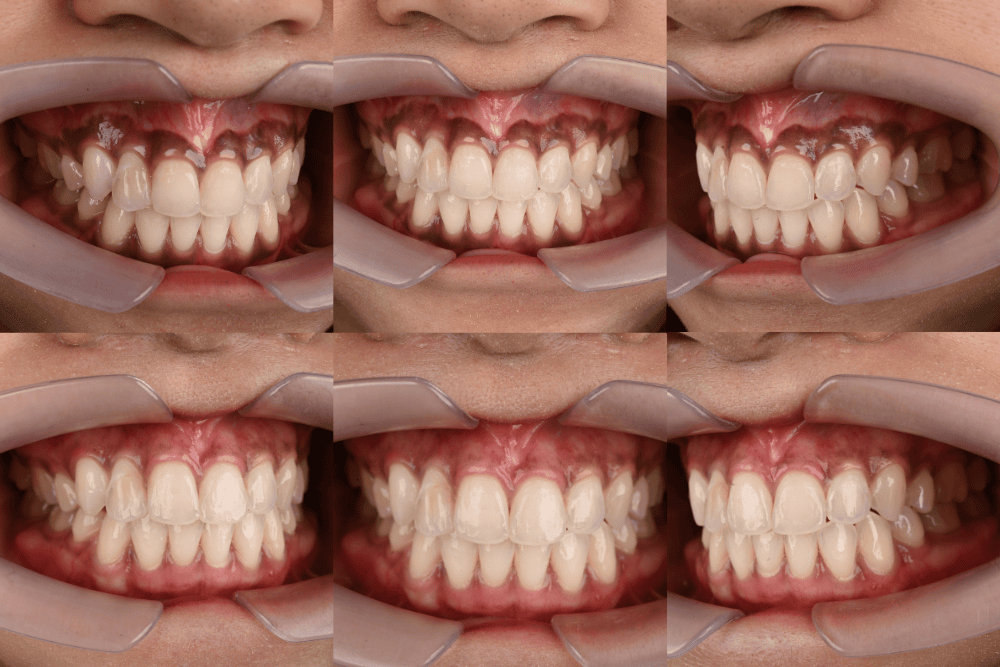
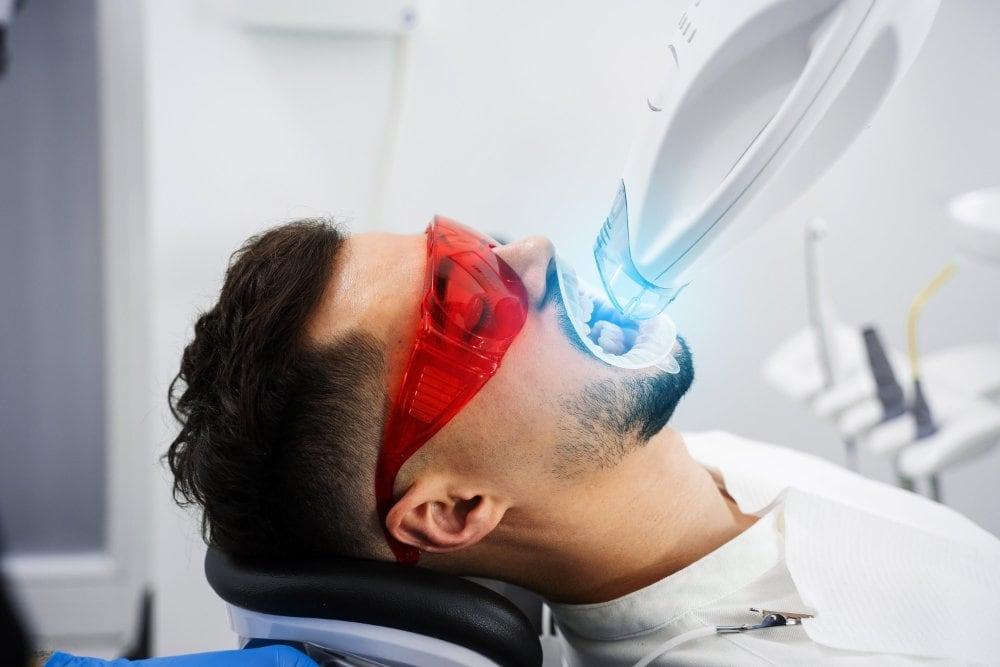
Pink gum laser treatment uses controlled laser energy on the superficial layer of the gums to reduce excess melanin pigmentation. This can gradually lighten dark or discoloured gums, creating a more natural-looking pink tone. The treatment may be suitable for people who feel self-conscious about dark gums when smiling, especially those with a gummy smile or those who want their gum colour to complement brighter teeth. Several studies suggest that laser gum depigmentation can effectively reduce pigmentation with minimal bleeding, relatively low discomfort, and high patient satisfaction with the aesthetic results. What Is Pink Gum Laser Treatment? Pink gum laser treatment, also known as laser gum depigmentation or laser gum bleaching, is a cosmetic dental procedure that uses controlled laser energy on the superficial layers of the gums. The laser precisely removes cells containing excess melanin pigment. As the treated gum tissue heals, the gums generally appear lighter and more pink than before treatment. Dark gums caused by excess melanin are medically known as gingival hyperpigmentation. This condition is usually harmless and is not considered a disease. However, some people may feel less confident when smiling, particularly if they have a gummy smile or are planning cosmetic dental treatments such as veneers or crowns and want their gum colour to complement their brighter teeth. Pink gum laser treatment is considered a cosmetic dentistry procedure. It is not intended to treat gingivitis or periodontal disease directly, but it may significantly improve the overall appearance and balance of the smile. What Causes Dark or Discoloured Gums? Healthy gums can naturally vary in colour. While many people have coral-pink gums, others may have light brown, dark brown, or very dark gum tissue. In many cases, dark gums are caused by a higher concentration of melanin in the gum tissue. Common Causes of Dark


![[:en]การติดรากฟันเทียมแบบทั้งปาก (Full Mouth Dental Implants) เพิ่มคุณภาพชีวิตให้ผู้ที่สูญเสียฟัน](https://www.abouttoothdental.com/wp-content/uploads/2023/04/4-01-scaled.jpg)