What Is Tooth Erosion? Treatment and Prevention Tips

Tooth erosion is the permanent loss of enamel caused mainly by repeated exposure to acids from foods, drinks, acid reflux, or vomiting. Other habits, including aggressive brushing and teeth grinding, can also contribute to tooth wear through different processes. Early assessment can help control sensitivity, prevent further damage, and determine whether treatments such as bonding, crowns, root canal treatment, or veneers are appropriate. 

What Is Tooth Erosion?

Tooth erosion is an oral health problem that may be overlooked, but if it continues without appropriate care, it can affect how the teeth look and function.

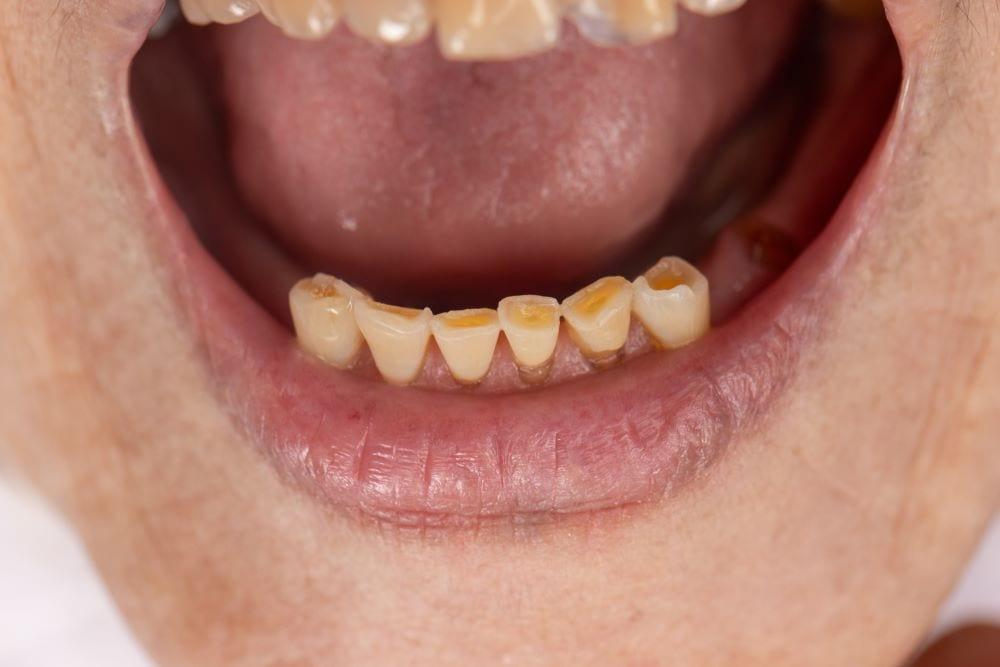
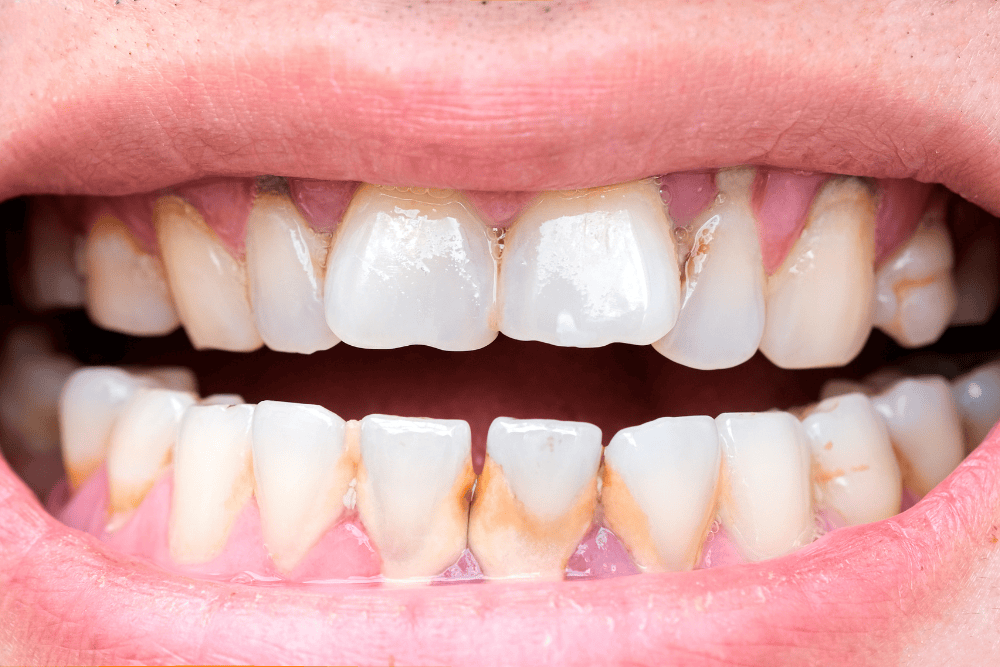
In clinical dentistry, tooth erosion refers to the gradual and irreversible loss of enamel caused by repeated exposure to acids that are not produced directly by decay-causing bacteria. The tooth surface may gradually become smoother, thinner, flattened, or hollowed in certain areas. As more enamel is lost, the underlying dentin may become exposed, making the teeth appear more yellow and feel increasingly sensitive.

Tooth wear can also be caused by mechanical forces, including aggressive brushing, chewing habits, or tooth-to-tooth contact from grinding. These forms of wear may occur alongside acid erosion and make the damage progress more quickly.

What Causes Tooth Erosion and Tooth Wear?

Aggressive Toothbrushing

Brushing with excessive pressure or using a hard-bristled toothbrush may contribute to abrasion, particularly around the gum line and exposed tooth roots.

Normal brushing with a soft-bristled toothbrush and fluoride toothpaste is unlikely to cause significant enamel wear. However, brushing aggressively especially when the enamel has recently been softened by acidic food or drinks may increase surface damage.

Acidic Foods and Drinks

Frequent consumption of acidic foods and drinks can soften and gradually wear away tooth enamel.

Common examples include:

  • Soft drinks and sparkling drinks
  • Sports and energy drinks
  • Citrus fruits and fruit juices
  • Sour sweets
  • Vinegar and pickled foods
  • Highly acidic sauces and beverages

Even sugar-free carbonated drinks may be acidic. The frequency and duration of acid exposure can be as important as the amount consumed, especially when acidic drinks are sipped repeatedly throughout the day or held in the mouth.

Teeth Grinding and Clenching

Teeth grinding or clenching places repeated pressure on the teeth. This tooth-to-tooth wear is known as attrition and may cause the biting surfaces to become flatter, shorter, cracked, or chipped.

Grinding may occur during sleep or during periods of stress. When it occurs together with acid-softened enamel, the teeth may wear down more quickly.

Bite Problems

An uneven bite may place excessive force on particular teeth. Over time, these areas may show more wear, chipping, cracks, or sensitivity than the surrounding teeth.

The dentist may assess the bite, tooth position, jaw movement, and signs of grinding to determine whether excessive force is contributing to the problem.

Acid Reflux and Recurrent Vomiting

Acid does not only come from food and drinks. Stomach acid may enter the mouth because of gastroesophageal reflux disease, recurrent vomiting, certain eating disorders, chronic alcohol use, or severe vomiting during pregnancy.

Repeated exposure to stomach acid can damage the inner surfaces and chewing surfaces of the teeth. In some patients, a dentist may notice the pattern of erosion before the patient realizes that reflux is occurring.

Signs and Symptoms of Tooth Erosion

Early tooth erosion may not cause obvious symptoms. As the damage progresses, patients may notice:

  • Sensitivity to hot, cold, sweet, or acidic foods
  • Teeth appearing more yellow as dentin becomes visible
  • Smooth, shiny, or “melted-looking” tooth surfaces
  • Flattened biting surfaces
  • Small hollows or cupped areas on the teeth
  • Chipped or thinning tooth edges
  • Teeth appearing shorter
  • Changes around existing fillings
  • Pain or bite discomfort in more advanced cases

Because lost enamel does not grow back, early detection is important for preventing further damage.

How Is Tooth Erosion Treated?

Treatment depends on the cause, severity, symptoms, position of the affected teeth, and how much healthy tooth structure remains.

The first step is to identify and control the underlying cause. This may involve changing dietary habits, managing acid reflux, improving brushing technique, or using a night guard for grinding. Restorative treatment may then be considered when needed to protect the teeth and restore their appearance or function.

1. Mild Tooth Wear and Sensitivity

When the enamel loss is limited and sensitivity is mild, complex restorative treatment may not be necessary.

The dentist may recommend:

  • Avoiding or reducing acidic foods and drinks
  • Changing an aggressive brushing technique
  • Using a soft-bristled toothbrush
  • Using fluoride or desensitizing toothpaste
  • Applying professional fluoride products when appropriate
  • Monitoring the teeth at follow-up appointments
  • Wearing a night guard if grinding is present

The goal is to reduce sensitivity and prevent the wear from progressing.

2. Moderate Tooth Wear

When the enamel loss is more noticeable, the teeth may become sensitive, develop small defects, or begin to change in shape.

The dentist may restore the worn area with a tooth-colored material, such as composite resin, to cover exposed dentin, improve the tooth shape, and protect the area from additional wear.

The most suitable material and treatment method depend on the location of the damage, the patient’s bite, and the remaining tooth structure.

 3. Severe Wear Reaching the Dental Pulp

If the tooth has worn down deeply and the pulp or nerve becomes inflamed or infected, the patient may experience severe or persistent pain.

Root canal treatment may be required to remove the damaged pulp and preserve the tooth. A dental crown may then be recommended to protect the remaining tooth structure and restore strength and function.

In advanced cases, treatment may involve fillings, crowns, root canal treatment, veneers, or occasionally extraction, depending on the condition of each tooth.
Tooth-Erosion

How to Prevent Tooth Erosion

Choose an Appropriate Toothbrush

Use a soft-bristled toothbrush and avoid applying excessive pressure while brushing.

Ask a dentist or dental hygienist to demonstrate a suitable brushing technique if you notice wear around the gum line.

Use Fluoride Toothpaste

Fluoride toothpaste may help strengthen the tooth surface and support remineralization.

Patients at higher risk may require additional fluoride treatment or products recommended by their dentist.

Reduce Acid Exposure

Limit acidic food and drinks, particularly between meals.

When consuming an acidic drink:

  • Avoid sipping it repeatedly over a long period
  • Do not swish or hold it around the teeth
  • Use a straw positioned toward the back of the mouth when appropriate
  • Drink water or rinse with water afterward
  • Consume acidic foods as part of a meal rather than alone

These habits can help reduce the length and frequency of acid exposure.

Do Not Brush Immediately After Acid Exposure

Acid temporarily softens the enamel surface. Rinse with water first and allow saliva time to neutralize the acid before brushing.

ADA patient guidance recommends waiting approximately one hour after acidic food or drinks before brushing.

Manage Acid Reflux or Recurrent Vomiting

Patients with frequent heartburn, acid regurgitation, sour taste, recurrent vomiting, or unexplained enamel erosion should discuss these symptoms with a dentist and doctor.

Managing the source of stomach acid is important because dental restoration alone will not prevent the problem from returning.

Manage Teeth Grinding

A custom night guard may help protect teeth from grinding-related wear in suitable patients.

The dentist may also assess the bite, jaw muscles, tooth position, and existing restorations before recommending treatment.

Attend Regular Dental Examinations

Regular examinations help the dentist compare changes in tooth shape, enamel texture, sensitivity, and bite over time.

The appropriate recall interval should be based on each patient’s risk and oral health condition.

Restoring Worn Teeth with Veneers

When wear affects the visible front teeth, veneers may be considered to improve tooth shape, proportions, color, and the overall appearance of the smile.

A veneer is a thin restoration bonded to the front surface of a tooth. Depending on the case, it may help cover worn or uneven edges and restore a more balanced smile. Veneers are among the restorative options that may be considered after enamel erosion has occurred.

However, veneers are not suitable for every worn tooth. Before treatment, the dentist should assess:

  • The cause of the tooth wear
  • The amount of enamel remaining
  • The severity of grinding or clenching
  • The patient’s bite
  • Tooth sensitivity or cracks
  • Whether the wear is still progressing

The underlying cause should be controlled before or alongside veneer treatment. Patients with grinding may also require a protective night guard after treatment.

When Should You See a Dentist?

Arrange a dental examination if you notice:

  • Increasing tooth sensitivity
  • Teeth becoming shorter or flatter
  • Yellow areas becoming more visible
  • Chipped or thinning tooth edges
  • Pain when chewing
  • Cracks or changes around fillings
  • Frequent acid reflux or vomiting
  • Signs of teeth grinding
  • Rapid changes in the shape of the teeth

Early assessment can help reduce further tooth loss and may allow more conservative treatment.

If you are concerned about tooth erosion, worn teeth, sensitivity, or changes in tooth shape, you can schedule a consultation at About Tooth Dental Clinic. Our dentists can assess the cause and severity of the tooth wear and recommend an appropriate treatment plan. Depending on the condition, treatment may include preventive care, composite restorations, crowns, root canal treatment, a protective night guard, or veneers.

You can book an appointment with a dentist for consultation and an oral health assessment at About Tooth Dental Clinic. We are open at both our Siam and Punnawithi branches, conveniently located right next to the BTS stations at each location. For more information or to schedule an appointment in advance, please call 087-555-4665 or 080-481-5555, or add us on LINE Official Account at @abouttooth to chat with our team. 

booking

References

Dental Erosion. Accessed July 22, 2026. from: https://www.ada.org/resources/ada-library/oral-health-topics/dental-erosion/

Frequently Asked Questions About Tooth Erosion (FAQs)

Q: Can Tooth Enamel Grow Back After Erosion?

No. Once enamel and tooth structure have been physically lost, they do not grow back naturally.

However, early enamel softening may be managed by reducing acid exposure, improving oral care, and using fluoride products as recommended by the dentist. Restorative treatment may be needed when a significant amount of tooth structure has already been lost.

Q: Can Brushing Too Hard Cause Tooth Erosion?

Aggressive brushing does not cause acid erosion, but it may cause abrasion, particularly around the gum line or on tooth roots.

Using a soft-bristled toothbrush and gentle pressure can help reduce this type of wear.

Q: Can Soft Drinks Cause Tooth Erosion?

Yes. Many soft drinks, sports drinks, sparkling beverages, and fruit-flavored drinks contain acids that can soften and wear away enamel.

Sugar-free drinks may also be acidic, so they are not automatically safe from an erosion perspective.

Q: Can Teeth Grinding Cause Worn Teeth?

Yes. Grinding and clenching cause attrition, which is tooth wear produced by repeated tooth-to-tooth contact.

The teeth may become flatter, shorter, chipped, or cracked. A dentist may recommend a protective night guard in suitable cases.

Q: Can Veneers Repair Worn Teeth?

Veneers may improve the appearance and shape of selected worn front teeth.

The dentist must first assess the remaining enamel, bite, severity of wear, and whether grinding or acid exposure is still active. Other treatments, including composite bonding or crowns, may be more suitable in some cases.

Q: When Does Tooth Erosion Require Root Canal Treatment?

Root canal treatment may be required when severe tooth wear reaches or damages the dental pulp, causing persistent pain, inflammation, or infection.

Dr. Nisara Tanarerkchai, D.D.S. is a dentist specializing in dental implants, orthodontics, and veneers. She graduated from the Faculty of Dentistry at Thammasat University. With extensive professional experience, she holds multiple certificates in various dental fields, including Advanced General Dentistry, Dental Implants, Advanced Orthodontics, as well as certificates in the Veneer Bootcamp and the Veneer Masterclass. Additionally, she is certified as a Platinum Provider of Invisalign for 2021 and achieved Zenyum Star Tier status in 2023.

Currently, Dr. Thanaruksachai is the founder of About Tooth Dental Clinic, which received the World Class Award 2021 in the category of The Best of International Healthy Business. She is also serves as a member of the Thai Association of Dental Implants (TADI).

Continue ReadingWhat Is Tooth Erosion? Treatment and Prevention Tips

Pink Gum Laser Treatment: Transform Dark Gums into a Naturally Pink Smile 

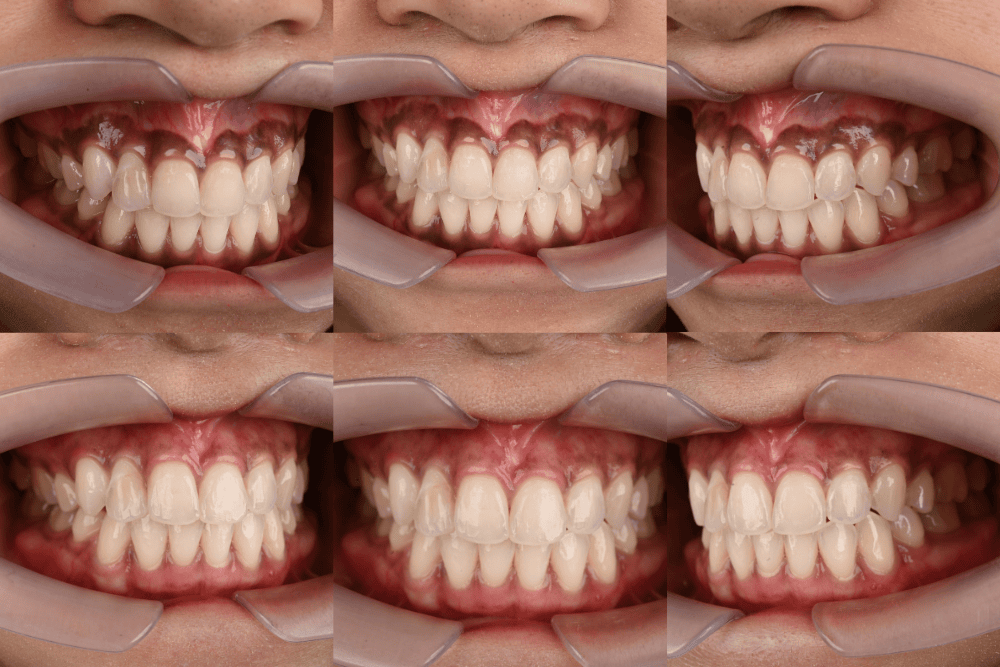
Pink gum laser treatment uses controlled laser energy on the superficial layer of the gums to reduce excess melanin pigmentation. This can gradually lighten dark or discoloured gums, creating a more natural-looking pink tone.

The treatment may be suitable for people who feel self-conscious about dark gums when smiling, especially those with a gummy smile or those who want their gum colour to complement brighter teeth. Several studies suggest that laser gum depigmentation can effectively reduce pigmentation with minimal bleeding, relatively low discomfort, and high patient satisfaction with the aesthetic results.

What Is Pink Gum Laser Treatment?

Pink gum laser treatment, also known as laser gum depigmentation or laser gum bleaching, is a cosmetic dental procedure that uses controlled laser energy on the superficial layers of the gums. The laser precisely removes cells containing excess melanin pigment. As the treated gum tissue heals, the gums generally appear lighter and more pink than before treatment.

Dark gums caused by excess melanin are medically known as gingival hyperpigmentation. This condition is usually harmless and is not considered a disease. However, some people may feel less confident when smiling, particularly if they have a gummy smile or are planning cosmetic dental treatments such as veneers or crowns and want their gum colour to complement their brighter teeth.

Pink gum laser treatment is considered a cosmetic dentistry procedure. It is not intended to treat gingivitis or periodontal disease directly, but it may significantly improve the overall appearance and balance of the smile.

What Causes Dark or Discoloured Gums?

Healthy gums can naturally vary in colour. While many people have coral-pink gums, others may have light brown, dark brown, or very dark gum tissue.

In many cases, dark gums are caused by a higher concentration of melanin in the gum tissue.

Common Causes of Dark or Discoloured Gums

Genetics and Natural Skin Tone

  • People with naturally darker skin tones or higher melanin levels may be more likely to have gingival hyperpigmentation. This is known as physiological pigmentation and is not considered a disease.

Smoking

  • Substances found in cigarettes, including nicotine, can stimulate pigment-producing cells to produce more melanin. This may cause a condition known as smoker’s melanosis, which is commonly seen around the front gums.

Certain Medications

  • Some medications, including certain antimalarial drugs, antibiotics, and hormonal medications, may cause changes in the colour of the oral tissues, including the gums.

Chronic Gum Inflammation

  • Long-term gum inflammation caused by plaque and tartar may stimulate pigment activity, making the gums appear darker or uneven in certain areas.

When dark gums are caused by melanin pigmentation and the patient is concerned about their appearance, laser gum depigmentation may be considered after an examination by a dentist.

How Does Pink Gum Laser Treatment Work?

Pink gum laser treatment works by directing laser energy at the superficial gum tissue where excess melanin has accumulated.

The laser carefully removes the pigmented tissue layer by layer through a controlled process known as vaporisation or ablation. At the same time, the laser helps seal small blood vessels through coagulation. This reduces bleeding and often keeps the treatment area cleaner than traditional surgical methods using a scalpel.

As the gums heal, new tissue forms and generally appears lighter, more even, and more pink than before treatment. This can make the gum line look brighter and more balanced when smiling.

The number of sessions required depends on the depth, intensity, and size of the pigmented area. Many patients may notice a significant improvement after one or two sessions.

Is Pink Gum Laser Treatment Safe and Painful?

Clinical studies and reports suggest that several types of dental lasers, including diode, Er:YAG, and Er,Cr:YSGG lasers, can provide effective results with an acceptable level of safety when the procedure is performed by a properly trained dentist.

Discomfort During and After Treatment

  • Laser gum depigmentation is usually performed under local anaesthesia. Most patients therefore experience warmth or a mild stinging sensation rather than significant pain during the procedure.
  • Several comparative studies report that laser treatment may cause less bleeding and lower levels of discomfort during the first 24 hours than techniques using a scalpel or electrosurgery.
  • Although overall healing may be similar after approximately one week, many patients find the initial recovery period more comfortable with laser treatment.
  • Some tightness, tenderness, or a mild burning sensation may occur during the first one or two days. These symptoms can usually be managed with pain medication as recommended by the dentist.

How Long Do the Results Last?

  • Research and clinical reviews suggest that laser gum depigmentation can provide good short- to medium-term results, lasting from several months to several years.
  • However, the gums may gradually become darker again. This is known as repigmentation, and the likelihood varies between individuals.
  • Both diode and erbium lasers have been shown to significantly reduce gum pigmentation and provide satisfactory aesthetic results. Some studies suggest that diode lasers may produce more noticeable pigment reduction or slower repigmentation in certain groups, although both systems are considered effective.

Factors That May Increase the Risk of Repigmentation

  • Genetic factors or naturally high melanin levels
  • Continued smoking or tobacco use
  • Chronic gum inflammation
  • Poor oral hygiene
  • Deep or widespread gum pigmentation

Patients with extensive or deeply pigmented gums may require more than one session. Additional treatment may also be recommended in the future if partial repigmentation occurs.

Who Is Pink Gum Laser Treatment Suitable For?

Pink gum laser treatment may be suitable for people who are concerned about the colour of their gums and want their gum tone to appear brighter and more balanced with their teeth.

Patients Who May Be Suitable for Laser Gum Depigmentation

  • People with dark gums caused by melanin pigmentation
  • People with a gummy smile, making the gum colour more noticeable
  • Patients planning cosmetic dental treatment, such as veneers, crowns, or orthodontic treatment
  • People who want their gum colour to complement brighter teeth
  • Former smokers who want to improve gum discolouration after stopping smoking

Patients should have their oral health examined before treatment. Gum disease, tartar, and active inflammation should be treated first because laser gum depigmentation is intended to improve gum colour, not to treat periodontal disease.

Pink Gum Laser Treatment Procedure

The exact procedure may vary depending on the laser system and the individual treatment plan. However, the main steps are generally as follows.

1. Gum Examination and Pigmentation Assessment

The dentist examines the gums, assesses the level and distribution of pigmentation, and takes photographs before treatment. A pigmentation scale may also be used to monitor the results.

2. Gum Preparation and Local Anaesthesia

A topical or local anaesthetic is applied to the treatment area to help the patient remain comfortable throughout the procedure.

3. Laser Treatment

The dentist uses a small laser tip to treat the superficial gum tissue in sections. The laser settings are adjusted according to the intensity and depth of the pigmentation.

The treated tissue is gently removed at intervals until the desired base gum colour is achieved.

4. Formation of a Thin Protective Layer

The laser helps seal small blood vessels, so there is usually minimal bleeding. A thin layer or light scab may form over the treated area as it begins to heal.

5. Follow-Up Appointment

The dentist arranges a follow-up appointment to monitor healing and compare the results with the pre-treatment photographs.

If the original pigmentation was deep or covered a large area, an additional session may be recommended to refine the results.

Before and Aftercare Instructions

Before Treatment

  • Have a complete oral examination.
  • Remove tartar and plaque before treatment.
  • Treat active gum inflammation or tooth decay.
  • Reduce or stop smoking to support healing and minimise the risk of repigmentation.
  • Inform the dentist about any medical conditions and medications.

After Treatment

  • Mild tightness, tenderness, or stinging may occur during the first one or two days.
  • Take pain medication only as directed by the dentist.
  • Avoid very spicy, acidic, or hot foods while the gums are healing.
  • Brush gently around the treated area.
  • Continue flossing carefully as advised by the dentist.
  • Use an alcohol-free mouthwash or the mouthwash recommended by the dentist.
  • Attend all scheduled follow-up appointments.

Laser Gum Depigmentation vs Other Treatments

Several methods can be used to reduce dark gum pigmentation, including scalpel surgery, bur abrasion, electrosurgery,

cryotherapy, and laser treatment. Each method has its own advantages and limitations.

Treatment

Main Advantages

Considerations and Limitations

Laser treatment, such as diode or Er:YAG

Minimal bleeding, clean treatment area, no stitches in many cases, relatively short recovery, lower reported discomfort, and good aesthetic results

Higher equipment costs, requires an experienced dentist, and may cause temporary warmth or stinging

Scalpel surgery or bur abrasion

Traditional method, widely available, and can provide good colour improvement when performed correctly

More bleeding, may require sutures, and some patients experience greater discomfort during recovery

Electrosurgery or cryotherapy

Can effectively reduce pigmentation and provide good aesthetic results

May cause more discomfort in some patients, and controlling treatment depth may be more difficult than with certain laser systems

The most suitable method depends on the cause and depth of the pigmentation, the area being treated, the equipment available, and the dentist’s assessment.

Pink Gum Laser Treatment Cost

The cost of pink gum laser treatment varies according to the treatment area and the complexity of each case.

Factors That Affect the Cost

Number of Teeth or Areas Treated

The price may differ depending on whether treatment is performed only on the visible upper front gums, the entire upper or lower arch, or both arches.

Intensity and Depth of Pigmentation

Deep or widespread pigmentation may require more treatment time, different laser settings, or multiple sessions.

Type of Laser

Different laser systems, such as diode, Er:YAG, and Er,Cr:YSGG lasers, have different operating costs and clinical properties.

Dentist’s Experience and Clinic Facilities

Clinics specialising in aesthetic dentistry or using advanced digital planning systems may have a different pricing structure from general dental clinics.

A dental consultation is recommended to determine the appropriate treatment area, number of sessions, and estimated cost.

Want to Transform Dark Gums into a Natural Pink Tone? Consult About Tooth Dark or discoloured gums may not directly affect oral health, but they can have a significant impact on confidence when smiling. For anyone looking to make their gums appear pinker, healthier, and more balanced with brighter teeth, pink gum laser treatment may be a suitable option. You can send photos of your smile and gums to the dental team at About Tooth Dental Clinic for an initial assessment. Consultations are available at both our Siam branch, located on the 8th floor of SIAMSCAPE, and our Punnawithi branch, located on the 2nd floor of True Digital Park near BTS Punnawithi.Our dentists will assess your gum condition and create a treatment plan tailored to your smile.

References:

  1. Comparative Evaluation of Gingival Depigmentation by Scalpel, Electrosurgery, and Laser: A 14-Month Follow-up Study. Accessed June 22, 2026. from: https://pubmed.ncbi.nlm.nih.gov/33686040/

Book a consultation

Frequently Asked Questions About Pink Gum Laser Treatment (FAQs)

Q: Does Pink Gum Laser Treatment Hurt?

Local anaesthesia is used during treatment. Most patients report feeling warmth or mild stinging rather than significant pain.

Several comparative studies have found that laser treatment may cause less discomfort during the first 24 hours than scalpel surgery or electrosurgery. Mild tightness or tenderness may occur for one or two days after treatment.

Q: Can Dark Gums Return After Laser Treatment?

Repigmentation is possible, particularly in people with naturally high melanin levels or those who continue to smoke.

However, several studies report relatively low repigmentation rates during follow-up periods ranging from several months to several years. When pigmentation returns, it may be less intense than before treatment. An additional session may be recommended in some cases.

Q: Can Pink Gum Laser Treatment Treat Gum Disease?

No. Pink gum laser treatment is a cosmetic procedure intended to improve gum colour. It does not directly treat gingivitis or periodontal disease.

Active gum disease, inflammation, or tartar should be treated before undergoing laser gum depigmentation.

Q: Do I Need to Take Time Off Work?

Most patients can return to their normal daily activities after treatment.

Mild tightness or stinging may occur, so very hot, spicy, or acidic foods should be avoided during the first one or two days. Patients should carefully follow their dentist’s aftercare instructions.


Dr. Papatsara Veerapol, D.D.S. is a dentist specializing in orthodontics, dental implants, and prosthodontics (veneers, dentures). She graduated with honors (Second Class) from the Faculty of Dentistry at Chulalongkorn University. She later earned a Master’s degree in Prosthodontics from Srinakharinwirot University. With extensive work experience, she holds an Advanced General Dentistry Certificate and is certified as a Platinum Provider of Invisalign for 2021 and achieved Zenyum Star Tier status in 2023.

Currently, she is the founder of About Tooth Dental Clinic, which was honored with the World Class Award 2021 in the category of The Best of International Healthy Business. She also serves as a member of the Thai Association of Dental Implants (TADI) and the Thai Prosthodontics Association.

Continue ReadingPink Gum Laser Treatment: Transform Dark Gums into a Naturally Pink Smile 

What Is Sour-Tasting Saliva?

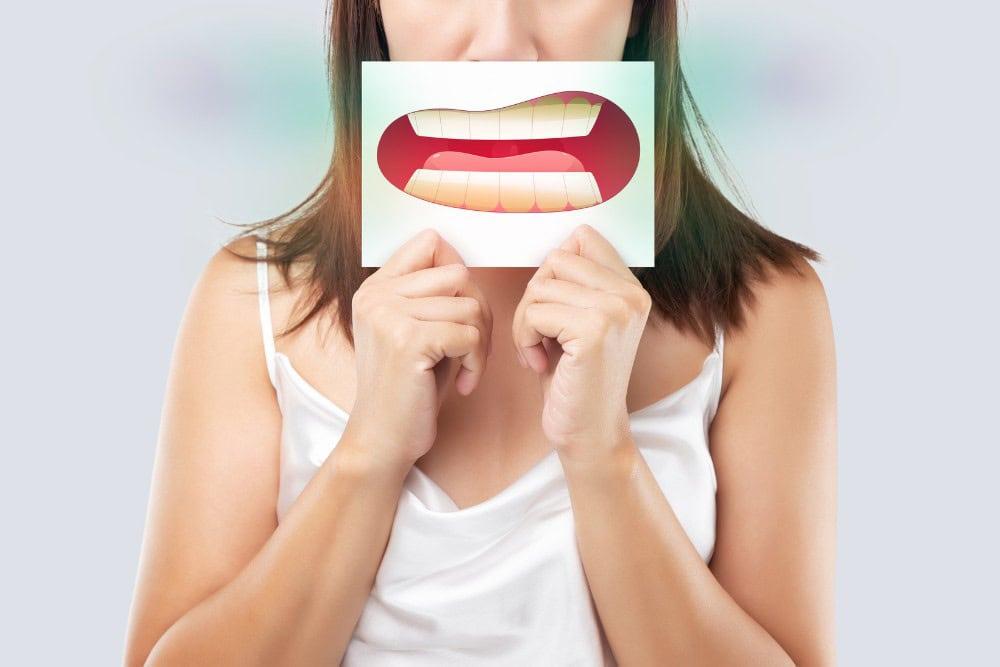
Bad-smelling saliva commonly occurs in the morning because saliva production decreases during sleep, allowing bacteria to accumulate and produce unpleasant-smelling compounds. Poor oral hygiene, dry mouth, certain foods, tooth decay, gum disease, acid reflux, and sinus problems may also contribute. Regular oral care and dental check-ups can help identify and address the underlying cause.

What Is Bad-Smelling Saliva?

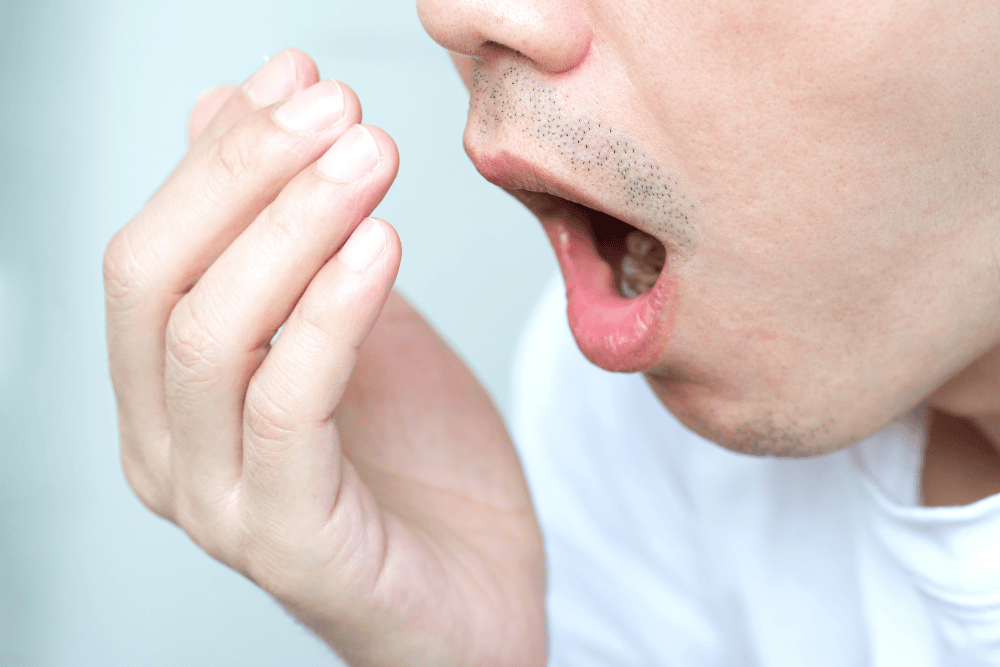
“Bad-smelling saliva” refers to saliva with an unpleasant odour, particularly in the morning after waking up. It is commonly caused by bacteria accumulating in the mouth while we sleep.

These bacteria break down food debris and release unpleasant-smelling sulfur compounds, resulting in bad breath and foul-smelling saliva.

Although this problem is common, leaving the underlying cause untreated may contribute to more serious oral health problems, such as gum disease and tooth decay. In some cases, it may also be associated with digestive or other health conditions.

Causes of Bad-Smelling Saliva

 1. Poor Oral Hygiene

Inadequate Brushing and Flossing

Not brushing thoroughly or neglecting to floss allows food debris and plaque to accumulate in the mouth. These deposits provide a food source for bacteria.

Not Cleaning the Tongue

The tongue can hold a large amount of bacteria. Without regular cleaning, bacteria and food debris may build up on its surface and cause an unpleasant smell.

2. Dry Mouth

Sleeping with Your Mouth Open

Sleeping with the mouth open can reduce moisture inside the mouth. When saliva levels decrease, bacteria can multiply more easily.

Not Drinking Enough Water

Saliva helps wash away food debris and reduce bacterial buildup. Dehydration can reduce saliva production and contribute to an unpleasant smell or taste in the mouth.

3. Foods Eaten Before Bed

Strong-smelling foods, such as garlic, onions, and certain spices, can cause bad breath even after brushing.

Dairy products, including milk, yoghurt, and cheese, may also create a distinctive smell in the mouth when their proteins are broken down by bacteria.

4. Health Problems

Tooth Decay and Gum Disease

Tooth decay, gingivitis, and periodontal disease can create areas where bacteria and food debris collect, producing an unpleasant smell.

Gastroesophageal Reflux Disease

Stomach acid that travels back towards the throat and mouth, particularly at night, may cause a sour taste or unpleasant breath.

Sinusitis

An infection or inflammation in the sinuses may cause mucus to drain into the throat and contribute to an unpleasant smell or taste in the mouth.

Bad-Smelling Saliva


How to Treat and Prevent Bad-Smelling Saliva

1. Maintain Good Oral Hygiene

Brush Properly

Use fluoride toothpaste and brush at least twice a day, especially before going to bed.

Use Dental Floss

Flossing helps remove plaque and food particles from between the teeth, where a toothbrush may not reach effectively.

Clean Your Tongue

Use a toothbrush or tongue scraper to gently remove bacteria and coating from the tongue’s surface.

2. Drink Enough Water

Drink enough water throughout the day to support saliva production and reduce dry mouth.

Limiting excessive alcohol and caffeinated drinks may also help, particularly for people who frequently experience dry mouth.

3. Adjust Eating Habits

Avoid strongly scented foods before bedtime, such as garlic, onions, and certain spices.

Foods such as leafy vegetables, apples, and unsweetened yoghurt may help support oral cleanliness as part of a balanced diet.

4. Use Additional Oral Care Products

Alcohol-Free Mouthwash

Choose an alcohol-free mouthwash, especially if you experience dry mouth, as products containing alcohol may increase dryness in some people.

Sugar-Free Chewing Gum

Chewing sugar-free gum can stimulate saliva production and help wash away food debris and bacteria.

5. Visit the Dentist Regularly

Attend a dental examination approximately every six months or at intervals recommended by your dentist.

Regular check-ups allow problems such as tooth decay, gum inflammation, and tartar buildup to be detected and treated at an early stage.

Can Bad-Smelling Saliva Be a Sign of a Serious Condition?

Most cases are associated with oral hygiene, dry mouth, diet, or common dental problems. However, unusual breath odours accompanied by other symptoms may require medical attention.

 Diabetes

A fruity or acetone-like smell on the breath may occur when ketone levels are abnormally high. Anyone with this smell together with excessive thirst, frequent urination, nausea, confusion, or breathing difficulties should seek urgent medical care.

Chronic Kidney Disease

An ammonia-like or urine-like smell on the breath may occasionally be associated with advanced kidney problems, particularly when other symptoms are present.

 Serious Digestive Conditions

Persistent bad breath alone does not confirm cancer or another serious digestive condition. However, medical assessment is recommended if it occurs together with warning signs such as unexplained weight loss, difficulty swallowing, persistent abdominal symptoms, vomiting, or unusual fatigue.

Consult About Tooth Dental Clinic If you are experiencing bad-smelling saliva or are concerned that you may have an oral health problem, you can consult the dental team at About Tooth Dental Clinic. We provide dental examinations, professional scaling, tooth decay treatment, gum care, and other comprehensive dental services. Our dentists will assess the possible cause and recommend appropriate care to help restore oral health and confidence in your smile.

You can book an appointment with a dentist for consultation and an oral health assessment at About Tooth Dental Clinic. We are open at both our Siam and Punnawithi branches, conveniently located right next to the BTS stations at each location. For more information or to schedule an appointment in advance, please call 087-555-4665 or 080-481-5555, or add us on LINE Official Account at @abouttooth to chat with our team.

References

  1. Bad-Smelling Saliva. Accessed February 2, 2025. from: https://www.rama.mahidol.ac.th/ramachannel/
  2. Bad Breath: A Warning Sign of Oral Health Problems. Accessed February 2, 2025. from: https://www.petcharavejhospital.com/
  3. Sour Taste in Your Mouth? Here Are the 9 Most Common Causes. Accessed July 22, 2026. from: https://health.clevelandclinic.org/sour-taste-in-mouth

booking

Frequently Asked Questions About Bad-Smelling Saliva (FAQs)

Q: Is Bad-Smelling Saliva Normal in the Morning?

Mild bad-smelling saliva or morning breath is common because saliva production decreases during sleep, allowing bacteria to accumulate more easily. However, if the smell is persistent, severe, or accompanied by pain, bleeding gums, tooth decay, or dry mouth, a dental examination is recommended.

Q: What Causes Saliva to Smell Bad?

Common causes include poor oral hygiene, plaque and tartar buildup, food debris on the tongue, dry mouth, tooth decay, gum disease, smoking, strong-smelling foods, acid reflux, and sinus problems.

Q: Can Dry Mouth Cause Bad-Smelling Saliva?

Yes. Saliva helps wash away food debris and control bacteria in the mouth. When saliva production decreases, bacteria can multiply more easily and produce unpleasant-smelling compounds.

Q: How Can I Reduce Bad-Smelling Saliva?

Brush with fluoride toothpaste twice a day, floss daily, clean the tongue gently, drink enough water, and use alcohol-free mouthwash when appropriate. Regular dental examinations and professional scaling can also help remove plaque and tartar that cannot be cleaned at home.

Q: Can Acid Reflux Cause an Unpleasant Smell or Taste in the Mouth?

Yes. Acid reflux may cause stomach acid or contents to travel towards the throat and mouth, resulting in a sour taste or unpleasant breath. Frequent heartburn, regurgitation, coughing, or throat irritation should be assessed by a doctor.

Q: When Should I See a Dentist About Bad-Smelling Saliva?

See a dentist if the problem continues despite good oral hygiene or occurs with bleeding gums, swollen gums, toothache, visible tooth decay, persistent dry mouth, mouth sores, pus, or loose teeth. Medical advice may also be needed if symptoms include difficulty swallowing, unexplained weight loss, vomiting, breathing difficulties, or unusual fatigue.

Dr. Papatsara Veerapol, D.D.S. is a dentist specializing in orthodontics, dental implants, and prosthodontics (veneers, dentures). She graduated with honors (Second Class) from the Faculty of Dentistry at Chulalongkorn University. She later earned a Master’s degree in Prosthodontics from Srinakharinwirot University. With extensive work experience, she holds an Advanced General Dentistry Certificate and is certified as a Platinum Provider of Invisalign for 2021 and achieved Zenyum Star Tier status in 2023.

Currently, she is the founder of About Tooth Dental Clinic, which was honored with the World Class Award 2021 in the category of The Best of International Healthy Business. She also serves as a member of the Thai Association of Dental Implants (TADI) and the Thai Prosthodontics Association.

Continue ReadingWhat Is Sour-Tasting Saliva?