Getting to Know the Differences of Veneers vs Braces

Key Takeaways

Veneers and braces both transform smiles, but they solve different problems. Braces physically move teeth over months or years to correct alignment, bite, crowding, and spacing, while veneers are thin shells bonded to the front of teeth to refine color, shape, and surface appearance without changing tooth position. The right choice depends on whether your concerns are structural, cosmetic, or a mix of both. In some cases, the two treatments work best in sequence, with braces first and veneers afterward to refine the final result.

Getting a better-looking smile often boils down to veneers or braces for most people, but which is better is not always clear. Between veneers vs braces, both can transform the way your teeth look, but they work in completely different ways and solve very different problems, even if they might be smile-related.

Before you commit to a treatment plan, here’s what you should know about the key differences, cost ranges in Bangkok, when each option makes sense, and how to know which one fits your case.

What’s the Difference Between Veneers and Braces?

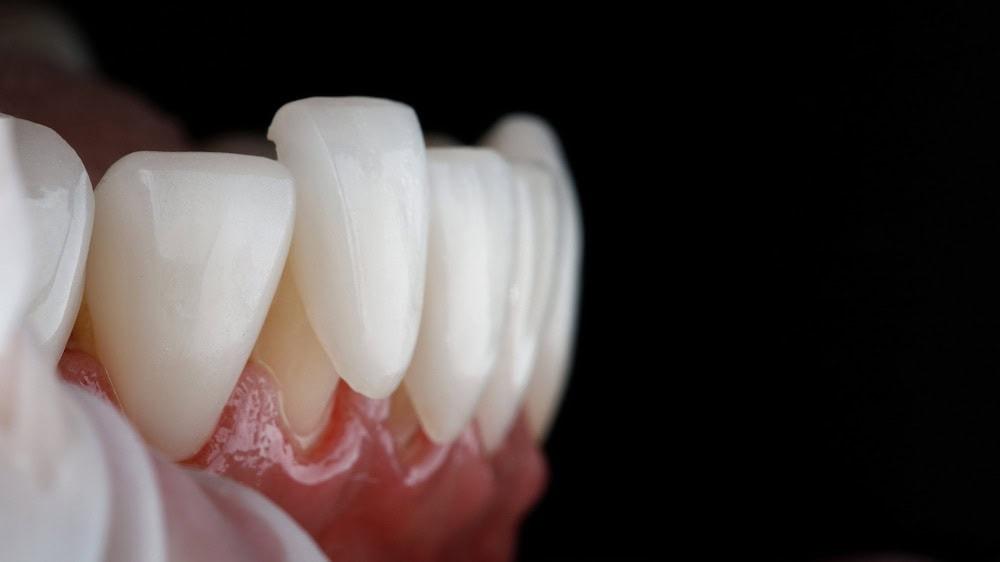
In essence, braces are structural, while veneers are cosmetic. Braces are orthodontic devices that physically move teeth over months or years, correcting alignment, bite issues, crowding, and spacing. Veneers are thin shells, usually porcelain or composite resin, bonded to the front surface of teeth to improve their shape, color, or appearance without changing the underlying tooth position.

That core distinction changes everything. If your concern is the position of your teeth in your jaw, only orthodontic treatment can address the underlying issue. If your concern is purely how your teeth look from the front, veneers can deliver fast cosmetic results without months of treatment. Depending on your condition, you may even opt for both.

What to Expect for Veneers vs Braces Prices

When it comes to veneers vs braces prices, both treatments span a wide cost range depending on the type and case complexity. There’s no single universal figure.

In Bangkok, veneers are priced per tooth, with composite ones typically ranging from THB 6,000 to 9,000 each, while porcelain or ceramic options such as E-max and zirconia sit on the higher end. As for braces, these can range from THB 35,000 to 95,000 for a full course of treatment, with ceramic braces and clear aligners like Invisalign costing more.

TreatmentTypical Bangkok Price RangeTreatment DurationLongevity
Composite VeneersTHB 6,000 – 9,000 per tooth1 – 2 visits5 – 7 years
Porcelain VeneersTHB 12,000 – 25,000 per tooth2 – 3 visits10 – 15 years
Metal BracesTHB 35,000 – 65,000 (full course)12 – 24 monthsLifetime with retainer
Self-ligating braces (Damon)THB 60,000 – 95,00012 – 24 monthsLifetime with retainer
Clear Aligners (Invisalign)THB 100,000 – 200,000+6 – 24 monthsLifetime with retainer

For a full smile makeover involving the upper front six to eight teeth, a full set of porcelain veneers often costs more than a full course of braces. That said, braces tend to be a one-time investment that lasts for life with retainer use, while veneers generally need replacement every 10 to 15 years.

Moreover, dental insurance occasionally covers braces when they’re deemed medically necessary, but rarely covers veneers since they’re classified as cosmetic.

Can I Get Veneers Instead of Braces?

Sometimes, yes. If your concerns are minor cosmetic irregularities, slight gaps, mildly uneven tooth shape, or stubborn discoloration, going for veneers instead of braces can be a reasonable cosmetic shortcut. Veneers won’t move your teeth, but they can mask small imperfections in a way that creates the appearance of a straighter, more uniform smile within a few weeks.

However, veneers are not a substitute for orthodontic treatment if you have moderate-to-severe crowding, spacing issues, or bite problems such as overbite, underbite, or crossbite. Veneers won’t fix the underlying, unbalanced bite forces on misaligned teeth, and placing them can lead to uneven wear, bonding failures, and premature breakage. Worse, the irreversible enamel removal required for veneers means there’s no easy way to undo the decision later.

Can I Get Veneers After Braces?

Yes, and this combination is fairly common. Where braces move teeth into the correct position, veneers can then refine the final aesthetic details that orthodontics can’t address, such as discoloration, white spots from old braces, minor chips, slight shape variations, and surface texture issues.

Even so, the timing matters here. Most dentists recommend waiting until your teeth have fully stabilized after braces come off, usually after a period of consistent retainer wear. Placing veneers too early risks the teeth shifting underneath, which can compromise the fit and seal of the veneer over time.

When sequenced correctly, the two treatments complement each other well, giving patients both a healthy bite and a refined cosmetic finish.

Should I Get Veneers or Braces? A Simple Decision Guide

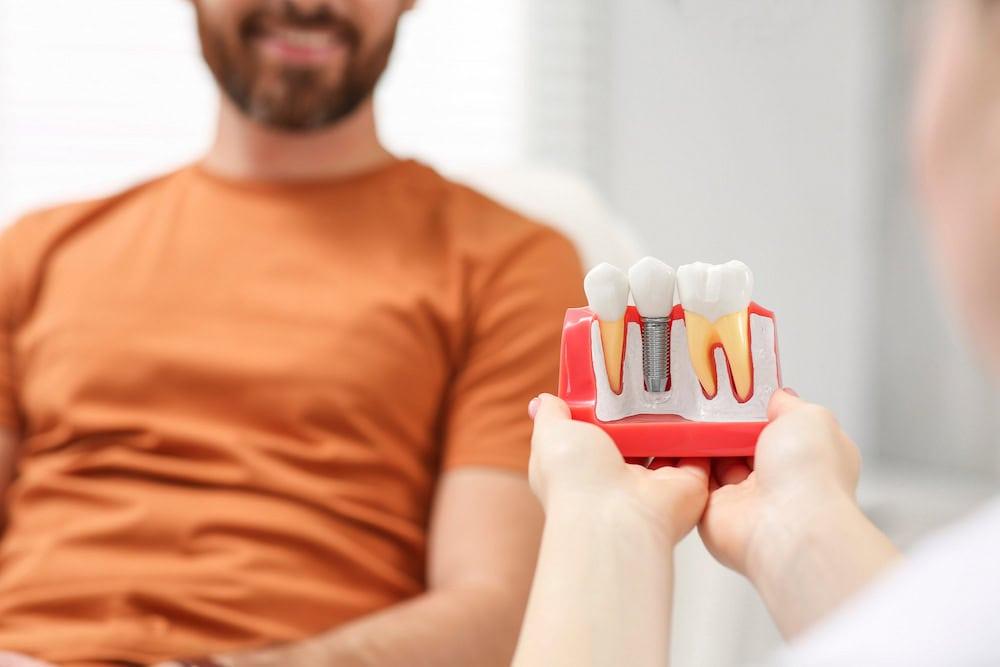
A dentist shows a patient what her smile would look like with veneers.

If you’re considering braces versus veneers, the answer comes down to whether your concern is in how your teeth function or how they look.

  • Choose veneers if: your teeth are already well-aligned and your goals are cosmetic, such as improving color, shape, or minor surface imperfections.
  • Choose braces if: you’re dealing with crowding, spacing, bite misalignment, or any structural issue affecting long-term oral health.
  • Consider both, in sequence, if: you have a mix of structural and cosmetic concerns.

Helpful questions to ask at your consultation include:

  • Do I have any bite issues that might cause long-term problems?
  • Will veneers wear unevenly on my current tooth alignment?
  • What’s the realistic lifespan of each option in my case?
  • Is there a combination treatment plan that would serve me better than either option alone?

Pros and Cons of Veneers and Braces at a Glance

Veneers

Pros

  • Fast cosmetic transformation in two to three visits
  • Able to mask multiple aesthetic concerns at once
  • Offers a high level of color and shape control

Cons

  • Irreversibility due to enamel removal
  • Eventual need for replacement every 10 to 15 years
  • Vulnerability to chipping under heavy bite force
  • Unable to address true alignment problems

Braces

Pros

  • Corrects bite function
  • Treats the source of misalignment
  • Delivers lifelong structural results with retainer use
  • Non-invasive to tooth enamel

Cons

  • Longer treatment time (often 12 to 24 months)
  • Visible hardware with traditional metal braces
  • Period of adjustment for eating and oral hygiene

Find the Right Smile Treatment in Bangkok

While veneers and braces both help create a perfect smile, they do so in different ways and serve different purposes. The right choice depends on whether your goals are cosmetic, structural, or a mix of both, and a proper assessment from a qualified dentist will tell you which path fits your case.

That’s where we come in. About Tooth Dental Clinic is a trusted dental clinic in Bangkok offering both orthodontic and cosmetic services under one roof. Our specialist dentists assess each case individually and develop a treatment plan tailored to your alignment, bite, and aesthetic goals, helping you find the best option between veneers and braces.

Book a consultation at About Tooth Dental Clinic today to find the right option for your smile, whether that’s veneers for teeth, braces, or a combination of both. We have two convenient branches near Punnawithi and Siam BTS stations, so you can easily reach us.

booking

References

  1. Veneers vs. Braces: Which Is Right for You? Retrieved on 18 May, 2026

Frequently Asked Questions About Veneers vs Braces

Q: Are veneers cheaper than braces?

A: For a single tooth or two, veneers can be cheaper upfront than a full course of braces. However, a full set of porcelain veneers covering the upper front six to eight teeth often costs more than orthodontic treatment, and veneers need replacing every 10 to 15 years. Braces are usually the better long-term value if both options can address your case.

Q: Can veneers fix crooked teeth without braces?

A: Veneers can mask minor crookedness or slight gaps, but they don’t actually move teeth. For moderate to severe misalignment, crowding, or bite issues, braces or clear aligners are necessary to correct the underlying structure. Using veneers to cover serious misalignment can lead to uneven wear and premature failure.

Q: How long after braces can I get veneers?

A: Most dentists recommend waiting until your teeth have stabilized after braces, typically after consistent retainer wear for several months. This prevents tooth movement underneath the veneer, which could compromise the bond or fit. Your dentist will confirm when your bite is settled enough to proceed.

Q: Do braces or veneers last longer?

A: The results of braces last a lifetime as long as you wear your retainer as instructed, since the teeth have been physically repositioned. Veneers typically last 10 to 15 years for porcelain and around 5 to 7 years for composite before they need replacement. Braces offer better long-term value, while veneers offer faster cosmetic results.

Dr. Nisara Tanarerkchai, D.D.S. is a dentist specializing in dental implants, orthodontics, and veneers. She graduated from the Faculty of Dentistry at Thammasat University. With extensive professional experience, she holds multiple certificates in various dental fields, including Advanced General Dentistry, Dental Implants, Advanced Orthodontics, as well as certificates in the Veneer Bootcamp and the Veneer Masterclass. Additionally, she is certified as a Platinum Provider of Invisalign for 2021 and achieved Zenyum Star Tier status in 2023.

Currently, Dr. Thanaruksachai is the founder of About Tooth Dental Clinic, which received the World Class Award 2021 in the category of The Best of International Healthy Business. She is also serves as a member of the Thai Association of Dental Implants (TADI).

Continue ReadingGetting to Know the Differences of Veneers vs Braces

Does tartar really make your teeth loose? How are tooth gaps and bone loss related?

Tartar does not directly push your teeth loose, but it acts as a reservoir for bacteria that cause gum inflammation and can progress to periodontitis, where the bone and ligaments around the tooth roots are gradually destroyed. As this support is lost over time, the teeth can start to feel loose or develop gaps if the condition is left untreated. Regular scaling and gum treatment at an early stage, together with proper toothbrushing, daily flossing, and routine dental check‑ups, help reduce tartar buildup, slow down bone loss, and significantly lower the risk of your teeth becoming loose in the future.

What is tartar and how is it different from plaque?

  • Plaque is a soft, sticky film of bacteria that forms on the tooth surface. If you do not remove it thoroughly with toothbrushing and flossing, it can absorb minerals from your saliva and harden into calculus or tartar, which cannot be removed by brushing at home.
  • Tartar commonly builds up along and underneath the gumline, making those areas rough and easier for new plaque to stick to again. Over time, this becomes a chronic reservoir of bacteria that constantly irritates the gums and promotes ongoing inflammation.

How tartar buildup on the gums leads to loose and gapped teeth

  • Tartar itself does not physically push your teeth loose, but the bacteria and toxins in the plaque that sticks to tartar irritate the gums and cause gingivitis, making them red, swollen, and prone to bleeding. If the tartar is not removed and the gums are not treated, this inflammation can progress to periodontitis, a deeper infection that affects the supporting tissues around the teeth.
  • As periodontitis advances, the bone and ligaments that support the tooth roots are gradually destroyed, and the gums recede. When this structural support is lost, the teeth can begin to loosen, shift position, or develop wider gaps because the framework that once held them firmly in place is no longer intact.

Warning signs of early gum and bone problems (before teeth become very loose)

  • Red, swollen gums that bleed easily when you brush your teeth, use dental floss, or bite on hard foods, together with persistent bad breath and clearly visible tartar deposits around the necks of the teeth, are important early warning signs.
  • If your teeth start to feel less firm than before, with widening spaces between them and food getting stuck more easily – especially if the front teeth begin to spread apart or tilt slightly – this suggests that the supporting tissues (gums, bone, and periodontal ligaments) are being damaged. At this stage, you should see a dentist promptly for an examination and treatment before the teeth become so loose that they are much more difficult to save.

How scaling and root planing help, and how often you should have them

  • Scaling and root planing is a deep cleaning procedure that removes tartar and plaque from both above and below the gumline and smooths the root surfaces to reduce bacterial buildup. It is considered the standard treatment for gum disease and periodontitis because it targets the main cause of ongoing inflammation around the teeth.
  • Once deep tartar and plaque are removed, gum inflammation usually decreases, bleeding is reduced, and the gums can reattach and tighten around the teeth to some extent. This can improve the mobility of several teeth, especially when treatment is carried out while there is still enough bone support remaining.
  • In general, most people need scaling every 6–12 months, depending on how quickly tartar builds up, whether they smoke, their medical conditions such as diabetes, and how well they maintain their oral hygiene at home.

 tartar

How can loose teeth caused by tartar be treated?

  • The first step in almost every case is scaling and root planing to remove tartar and plaque and stop the ongoing inflammation and bacterial infection. If this is done early, when there is only gingivitis or mild periodontitis, many slightly loose teeth can become firmer again as the gums heal and reattach.
  • If the teeth are moderately to severely loose, additional treatment may be needed, such as periodontal or gum surgery to clean deep deposits, splinting the teeth together to stabilize them, or regenerative procedures to help restore lost bone in selected cases. 
  • When the bone and supporting ligaments have been severely destroyed and the tooth remains very loose or repeatedly infected despite treatment, extraction may be necessary, followed by a replacement plan such as a denture, bridge, or dental implant to restore function and avoid overloading the remaining teeth.

How to prevent tartar from building up again

  • Brush your teeth at least twice a day and use dental floss or interdental brushes every day to remove plaque before it hardens into tartar, and make fluoride toothpaste part of your routine.
  • Avoid smoking, keep blood sugar well controlled if you have diabetes, and visit your dentist regularly for oral check‑ups and professional scaling. These habits help lower the risk of periodontitis, loose teeth, and tooth gaps caused by long‑standing tartar buildup.

 If you feel that tartar has built up heavily, your gums are becoming red or swollen, they bleed easily, or your teeth no longer feel as firm as before, do not leave it untreated for too long. You can visit About Tooth Dental Clinic for a gum health check and professional scaling. Our team will assess the severity of your gum condition, recommend the most appropriate treatment, and create a care plan to help keep your teeth strong and comfortable for as long as possible.

You can book an appointment with a dentist for consultation and an oral health assessment at About Tooth Dental Clinic. We are open at both our Siam and Punnawithi branches, conveniently located right next to the BTS stations at each location. For more information or to schedule an appointment in advance, please call 087-555-4665 or 080-481-5555, or add us on LINE Official Account at @abouttooth to chat with our team.

booking

References:

1. What is tartar and how is it different from plaque?. Accessed May 28, 2026. from: https://calistogadentalgroup.com/understanding-tartar-silent-threat-to-dental-health/


Frequently asked questions about tartar and loose teeth (FAQs)

Q: Does tartar really make teeth loose?

A: Tartar itself does not directly push the teeth to become loose, but it is a surface for plaque and bacteria to accumulate, which causes gum inflammation and progressive periodontal disease. When the bone and ligament around the tooth roots are severely destroyed, the teeth can start to loosen, become mobile, or develop gaps.

Q: Can loose teeth from tartar be treated to become firm again?

A: If there is still a reasonable amount of bone and ligament remaining around the roots, scaling, root planing, and early periodontal treatment can help reduce inflammation and allow the gums to tighten around the teeth again. The mobility of many teeth can be reduced, but if a lot of bone has been lost and the teeth are very loose, splinting, periodontal surgery, or even extraction may be necessary in some cases.

Q: Are increasing gaps between teeth related to tartar and gum disease?

A: Sudden spacing between teeth, especially in people who originally had tight teeth but suddenly develop gaps and get food stuck easily, is often related to periodontal disease caused by tartar and plaque buildup that leads to gum and bone recession. As a result, the teeth have more space to move apart, so you should see a dentist promptly for examination and treatment before the teeth become even more mobile.

Dr. Nisara Tanarerkchai, D.D.S. is a dentist specializing in dental implants, orthodontics, and veneers. She graduated from the Faculty of Dentistry at Thammasat University. With extensive professional experience, she holds multiple certificates in various dental fields, including Advanced General Dentistry, Dental Implants, Advanced Orthodontics, as well as certificates in the Veneer Bootcamp and the Veneer Masterclass. Additionally, she is certified as a Platinum Provider of Invisalign for 2021 and achieved Zenyum Star Tier status in 2023.

Currently, Dr. Thanaruksachai is the founder of About Tooth Dental Clinic, which received the World Class Award 2021 in the category of The Best of International Healthy Business. She is also serves as a member of the Thai Association of Dental Implants (TADI).

Continue ReadingDoes tartar really make your teeth loose? How are tooth gaps and bone loss related?

Dentures vs Implants: Which Should You Choose?

Key Takeaways

Dentures are removable prosthetics that replace missing teeth without surgery, while dental implants are titanium posts surgically placed in the jawbone to anchor permanent replacement teeth. Dental implants preserve jawbone density through osseointegration, whereas traditional dentures can accelerate bone loss over time and may require replacement every five to seven years. Implants cost more upfront but typically deliver stronger long-term value, while dentures are more accessible for patients with budget or health constraints. Candidacy for implants depends on bone density, overall health, and lifestyle factors, so a comprehensive dental evaluation with scans is the essential first step.

Losing a tooth changes more than your appearance. Everyday tasks like chewing a meal, speaking clearly, or smiling in a photo suddenly feel different. For anyone dealing with one or several missing teeth, two options come up in almost every conversation: dentures and dental implants. Both can restore function and confidence, but they work in very different ways and suit very different situations.

Between dentures vs implants, the right decision often comes down to cost, comfort, lifestyle, and long-term health goals. Understanding what each option involves, what it costs, and how it holds up over the years helps you make the best choice. 

If you’re weighing these two options, here’s what you need to know before making that call.

What Are Dentures?

Dentures are removable prosthetic devices designed to replace missing teeth and the surrounding tissue. They sit on your gums and are held in place by suction, natural oral anatomy, or a denture adhesive. Modern dentures look far more natural than older versions, though they still come with trade-offs in comfort and function.

There are two main types: 

  • Full dentures replace an entire arch of teeth (upper, lower, or both)
  • Partial dentures fill gaps when some natural teeth remain, clipping onto your existing teeth using a metal or acrylic framework.

Between the two, dentures don’t require surgery, they’re more affordable upfront, and a dentist can fit them relatively quickly. The downsides? They can slip during meals or conversations, reduce your bite force by up to 75% compared to natural teeth, and require adhesives for a secure fit. 

Also, dentures can contribute to jawbone loss over time because they rest on the gums without stimulating the underlying bone.

What Are Dental Implants?

A dental implant is a small titanium post surgically placed into the jawbone to serve as an artificial tooth root. Through osseointegration, the post fuses with the bone, creating a permanent foundation for a crown or bridge. Studies show implant success rates ranging from 95% to 98%, with properly maintained implants lasting well beyond 20 years.

Implant solutions come in several forms:

  • A single-tooth implant: Replaces one tooth without affecting neighbors.
  • Implant bridges: Replaces several teeth using fewer posts.
  • Full-arch solutions: These use four to six implants to support a full set of fixed teeth.

Implants offer the most natural feel and preserve bone health. However, they have a higher upfront cost and a surgical procedure, with some cases also requiring bone grafting before placement.

Permanent Dentures vs Implants: Clearing Up the Confusion

Permanent dentures vs implants is really a comparison between two types of implant-supported solutions: removable overdentures and fixed full-arch bridges.

Snap-in overdentures clip onto two to four implant posts in the jawbone. You can remove them for cleaning, but they’re far more stable than traditional dentures. Fixed full-arch bridges, like the All-on-4 or All-on-6, are permanently secured to four or six implants and do not come out. 

Feature Traditional Dentures Snap-in Overdentures All-on-4 Fixed Bridge
Stability Low (adhesive needed) Moderate to high Highest (fixed in place)
Bone Preservation None Partial Yes (stimulates jawbone)
Chewing Power ~25% of natural teeth ~60% of natural teeth ~90% of natural teeth
Upfront Cost Lowest Moderate Highest
Removable? Yes Yes (clips on/off) No (permanently fixed)
Lifespan 5-7 years 10-15 years (prosthetic) 20+ years (implant posts)

Dentures vs Implants Cost in 2026

The first bill doesn’t tell the full story when it comes to dentures vs implants cost. Dentures need relining every one to two years, and full replacement every five to seven years as the jawbone changes shape. Add in adhesives, cleaning solutions, and repair visits, and the cumulative spend over a decade or two adds up quickly.

While the upfront cost of implants is higher, they often prove more economical over a 20-year window because they don’t require the frequent relining or replacement that dentures do.

  • Traditional Dentures: 15,000 – 40,000 THB per arch.
  • Single Implant: 25,000 – 45,000 THB (post, abutment, and crown).
  • All-on-4 Restorations: 250,000 – 480,000 THB per arch.

Note: Factors like bone grafting, sinus lifts, and premium brand selection (e.g., Straumann) will influence the final quote.

Are Implants Better Than Dentures?

It depends on your priorities. Implants are superior in three key areas:

  • Chewing efficiency: Traditional dentures restore roughly 25% of natural bite force. Snap-in overdentures push that closer to 60%. Fixed implant bridges like All-on-4 deliver around 90%, which means you can eat steak, apples, and nuts with confidence.
  • Comfort and speech: Slipping dentures can cause sore spots on the gums and affect pronunciation. Implants are anchored in the jaw, so there’s no movement and no adhesive residue to deal with.
  • Facial support: When a tooth root is missing, the jawbone beneath it begins to resorb. Over the years, this leads to a sunken facial appearance that ages you prematurely. Implants are the only tooth replacement option that actively stimulate the jawbone and prevent this type of bone loss.
  • Oral health: Implants don’t rely on neighboring teeth for support (unlike partial dentures or bridges), which means your remaining natural teeth stay untouched.

Who Is a Good Candidate for Each?

A dentist holds a dental model. The right choice of dentures vs implants depends on the individual.

Implant candidacy hinges on a few key factors. 

  • Implants: These require adequate bone density and good overall health. Conditions like uncontrolled diabetes or heavy smoking may complicate the healing process.
  • Dentures: A practical choice for those who want a non-invasive, quick solution or have health concerns that rule out minor surgery.

It’s also important to note that age alone doesn’t determine the right choice. What matters more is your oral health status, how many teeth need replacing, your lifestyle, and how much maintenance you’re prepared to take on over the long haul.

How to Choose: A Simple Step-by-Step

  • Get a comprehensive dental evaluation. This includes a full oral exam, digital X-rays or CT scans, and a review of your medical history. Your dentist needs a complete picture before recommending any treatment.
  • Compare your options side by side. Once the evaluation is done, your dentist can present which solutions are viable for your specific case, along with realistic outcomes for each.
  • Map out the full picture. Factor in treatment phases, healing time, follow-up appointments, and long-term maintenance. Ask about financing options and phased treatment plans if the upfront cost of implants feels steep.

Restore Your Smile with the Right Tooth Replacement

Between dentures and implants, there’s no real wrong option. Implants offer the most natural feel, preserve your jawbone, and deliver strong, long-term value. Dentures remain a practical, non-surgical option for patients with budget or health constraints. Both have their ideal use cases, and what’s important is choosing the one that best fits your individual dental needs.

Cue About Tooth Dental Clinic. We’re a trusted dental clinic in Bangkok with branches near BTS Punnawithi and BTS Siam. Our experienced implant specialists use advanced technology, including 3D imaging and digital treatment planning, to help you confidently make the right choice, all in a friendly atmosphere, with transparent pricing and comprehensive services.

Book a consultation at About Tooth Dental Clinic for a personalized treatment plan and clear all-on-4 dental implants costs. We make restoring your smile convenient at every step.

booking

References:

Optimizing Osseointegration in Dental Implantology: A Cross-Disciplinary Review of Current and Emerging Strategies. Retrieved on 20 April 2026 from https://pmc.ncbi.nlm.nih.gov/articles/PMC10685082/ 

Observational Study on the Success Rate of Osseointegration: A Prospective Analysis of 15,483 Implants in a Public Health Setting. Retrieved on 20 April 2026 from https://www.mdpi.com/2673-8430/2/4/33


Frequently Asked Questions About Dentures vs Implants

Q: Can I switch from dentures to dental implants later?

A: Yes, many patients start with dentures and later upgrade to implant-supported solutions when they are ready. Your dentist will assess your jawbone density and overall oral health to determine if you are a good candidate for implants. In some cases, bone grafting may be needed if significant bone loss has occurred from long-term denture use.

Q: Who is not a good candidate for dental implants?

A: Patients with uncontrolled diabetes, heavy smokers, individuals undergoing certain cancer treatments, and those with severe bone loss that cannot be corrected with grafting may not be ideal candidates for dental implants. A thorough dental evaluation including scans and medical history review is needed to determine eligibility. In these cases, dentures or implant-supported overdentures may be a more suitable alternative.

Q: What is the difference between permanent dentures and dental implants?

A: Permanent dentures are actually implant-supported prosthetics, not traditional removable dentures. They are secured to dental implants placed in the jawbone, which keeps them stable and prevents slipping. Standard dental implants refer to individual titanium posts topped with a crown to replace single teeth. Both rely on implants for stability, but permanent dentures replace a full arch of teeth on four to six implant posts.

Dr. Nisara Tanarerkchai, D.D.S. is a dentist specializing in dental implants, orthodontics, and veneers. She graduated from the Faculty of Dentistry at Thammasat University. With extensive professional experience, she holds multiple certificates in various dental fields, including Advanced General Dentistry, Dental Implants, Advanced Orthodontics, as well as certificates in the Veneer Bootcamp and the Veneer Masterclass. Additionally, she is certified as a Platinum Provider of Invisalign for 2021 and achieved Zenyum Star Tier status in 2023.

Currently, Dr. Thanaruksachai is the founder of About Tooth Dental Clinic, which received the World Class Award 2021 in the category of The Best of International Healthy Business. She is also serves as a member of the Thai Association of Dental Implants (TADI).
Continue ReadingDentures vs Implants: Which Should You Choose?

Teeth After Veneers: What You Should Know

Taking care of your teeth is essential for maintaining a healthy oral cavity. However, for some, even with good hygiene, aesthetic issues like discoloration or chipped teeth persist. In these cases, veneers for teeth are a premier cosmetic solution that can transform the shape and shade of your smile, making it look beautiful and natural.

This article will answer your questions regarding dental veneers, covering the procedure, pros and cons, how to take care of veneers, and answer popular FAQs to help you decide on the best way to care for your smile.

This article will answer your questions regarding dental veneers, covering the procedure, pros and cons, how to take care of veneers, and answer popular FAQs to help you decide on the best way to care for your smile.

What are Dental Veneers?

A dental veneer is a thin, custom-made shell designed to match the color of natural teeth while covering the front surface. This improves the appearance, color, and overall uniformity of the smile.

The material used is typically high-quality ceramic (porcelain) or resin, often leading patients to compare ceramic vs composite veneers when choosing their material. This treatment is ideal for those experiencing issues such as chipped teeth, gaps (diastema), misshapen teeth, or severe discoloration. The result is teeth after veneers that look aesthetically pleasing and are efficient in function.

The Veneer Procedure

  1. Consultation: The dentist examines the patient’s oral health and discusses the specific dental issues that need correction.
  2. Imaging and Impressions: Facial photographs and smile analysis are conducted, along with X-rays, to create a mold or digital model of the teeth.
  3. Tooth Preparation: In this step, the dentist will grind or etch the front surface of the tooth slightly to prepare it for bonding. This is also when the appropriate tooth shade is selected.
  4. Bonding the Veneers: Once the custom veneers are fabricated (usually taking 1-2 weeks), the dentist will cement them and adjust them to fit the patient’s teeth perfectly.

Veneers: The Pros

Many advantages make veneers a popular choice for cosmetic dentistry:

  • Natural Aesthetics: They adjust the tooth color to be white and natural. You can select shades that complement your skin tone and facial structure.
  • Correction of Shape: They fix various irregularities, such as teeth that are too small, chipped, or poorly shaped.
  • Alignment Fixes: They can visually correct minor misalignments, such as gaps or slight overlapping, without the need for long-term orthodontics (braces).
  • Durability: Whether you choose ceramic or composite veneers, they are durable. With proper care, they can last 10–15 years and are strong enough for daily function.
  • Easy Maintenance: Learning how to maintain veneers is simple; they do not require special tools and can be brushed and cleaned like normal teeth.

Veneers: The Cons

While veneers for teeth have many benefits, there are downsides to consider carefully:

  • Enamel Removal: The procedure involves the removal of a thin layer of natural enamel, resulting in loss of some tooth structure.
  • Structural Strength: While strong, teeth after veneers may have slightly less overall structural integrity than a fully intact, healthy natural tooth.
  • Risk of Debonding: If used carelessly, such as biting or chewing hard food, the veneers can dislodge or fall off.
Dentist guides how to maintain veneers during smile assessment

How to Care for Veneers

Knowing how to take care of veneers will extend their lifespan and keep your smile looking beautiful for years to come.

  • Brush Gently: Use a soft-bristled toothbrush and non-abrasive toothpaste to avoid scratching the surface.
  • Regular Dental Check-ups: You should consult your dentist every 6 months to examine the condition of the veneers and your overall oral health.
  • Rinse After Eating: This helps prevent the accumulation of stains and bacteria.
  • Avoid Smoking: Smoking can cause staining and yellowing, so avoiding it is key to knowing how to care for veneers aesthetically.
  • Avoid Hard and Sticky Foods: Ice, nut shells, or hard caramel can damage the veneers.
  • Floss Daily: This reduces food debris and bacteria accumulation between the teeth.

Veneers for teeth are an effective method to adjust the shape and color of your teeth, giving you a beautiful and confident smile. Although there are some disadvantages, they can be mitigated by understanding how to care for veneers.

If you are interested in veneers to align your teeth and enhance your personality, consult with the dentists at About Tooth Dental. We offer comprehensive oral health care, equipped with modern technology and years of experience to help you achieve a beautiful smile and strong dental health. We are ready to provide advice tailored to your needs.

If you are still hesitant or have questions such as “What exactly are veneers?” or “How long will they last?”, you can book an appointment to consult with our dentists for answers and a diagnosis to decide the best treatment plan.

Contact us at: 080-481-5555 LINE:  @abouttooth  (include the @ symbol) or via other About Tooth Dental clinic channels.

booking

References: 

What to Know Before You Get Dental Veneers. Retrieved February 6, 2025, from https://www.healthline.com/health/dental-veneers

FAQ Frequently Asked Questions (FAQ)

Q: How long do veneers last? 

A: Teeth after veneers can remain beautiful for about 10–15 years if you know how to maintain veneers properly. In some cases, they can last up to 20 years.

Q: Is the procedure painful? 

A: The process is generally not painful. The dentist uses local anesthesia before the preparation step, ensuring the patient feels comfortable throughout the procedure.

Q: What should I do if a veneer chips? 

A: If a veneer cracks or breaks, you should return to the dentist immediately for repair or replacement.

Dr. Papatsara Veerapol, D.D.S. is a dentist specializing in orthodontics, dental implants, and prosthodontics (veneers, dentures). She graduated with honors (Second Class) from the Faculty of Dentistry at Chulalongkorn University. She later earned a Master’s degree in Prosthodontics from Srinakharinwirot University. With extensive work experience, she holds an Advanced General Dentistry Certificate and is certified as a Platinum Provider of Invisalign for 2021 and achieved Zenyum Star Tier status in 2023.

Currently, she is the founder of About Tooth Dental Clinic, which was honored with the World Class Award 2021 in the category of The Best of International Healthy Business. She also serves as a member of the Thai Association of Dental Implants (TADI) and the Thai Prosthodontics Association.

Continue ReadingTeeth After Veneers: What You Should Know

What Are Dental Implants Made Of? A Guide to Implant Materials

When thinking about dental implants, people primarily focus on the procedure and achieving a complete, natural-looking smile. But the materials used in your implants are just as important, as the right dental implant materials affect everything from durability and healing to aesthetics and long-term success.

If you’ve ever wondered what are dental implants made of, you’re not alone, as it is one of the most common questions patients ask. Understanding the types of dental implant materials can help you make a more informed decision about your treatment. This guide breaks down the main options and how to choose the best material for your needs.

Understanding the dental implant structure

What are dental implants made of exactly? A dental implant isn’t a single piece, but actually made up of three main components, each serving a specific function.

  • The implant fixture: A small screw surgically placed into your jawbone, acting as an artificial tooth root.
  • The abutment: This connector piece sits on top of the fixture and supports the final restoration.
  • The crown: The visible part that looks and functions like a natural tooth.

The materials for each part vary, and selecting the correct ones is vital because they affect osseointegration, strength, and the final look of your restoration.

Main types of dental implant materials

1. Titanium and titanium alloys

Titanium remains the gold standard for dental implant fixtures worldwide, and for good reason. This metal has been used in implant dentistry for over 50 years, giving it the longest and most well-documented track record of any implant material.

Titanium is highly biocompatible, meaning your body accepts it without adverse reactions. It bonds exceptionally well with bone tissue through osseointegration, with long-term success rates consistently above 95%. The material is also incredibly strong and corrosion-resistant, capable of withstanding the daily forces of chewing for decades.

Most titanium implants use a two-piece design (separate fixture and abutment), which gives dentists flexibility in positioning and angulation. This is particularly useful for complex cases where precise placement is essential.

2. Zirconia (ceramic implants)

If you prefer metal-free alternatives, zirconia implants are just the thing to avoid metals entirely. Made from zirconium dioxide, these ceramic implants are white and tooth-colored, making them an excellent choice for aesthetic-sensitive areas.

Patients with metal allergies or sensitivities often choose zirconia, though true titanium allergies are rare. Zirconia is also ideal when the implant is placed near thin or receding gums, as the white material won’t create a grayish shadow through the tissue like titanium sometimes can.

Zirconia implants typically feature a one-piece design, which can simplify the surgical procedure. As a relatively newer option in implant dentistry, zirconia has a shorter clinical track record than titanium. However, early success data is positive, and many patients achieve excellent long-term results. Like titanium, zirconia is highly biocompatible and corrosion-resistant.

3. Crown materials on implants

The crown, being the visible tooth portion of your implant, can be made from several different materials, each with its own advantages.

Porcelain-fused-to-metal (PFM) crowns combine a metal substructure for strength with a porcelain exterior for natural appearance. They’re a popular choice for back teeth where biting forces are strongest. 

Full ceramic crowns, such as those made from lithium disilicate, offer superior aesthetics with excellent translucency, making them ideal for front teeth where appearance matters most. There are also resin composite crowns, which are a lower-cost option often used for temporary restorations while permanent crowns are being fabricated.

How to choose the right implant material

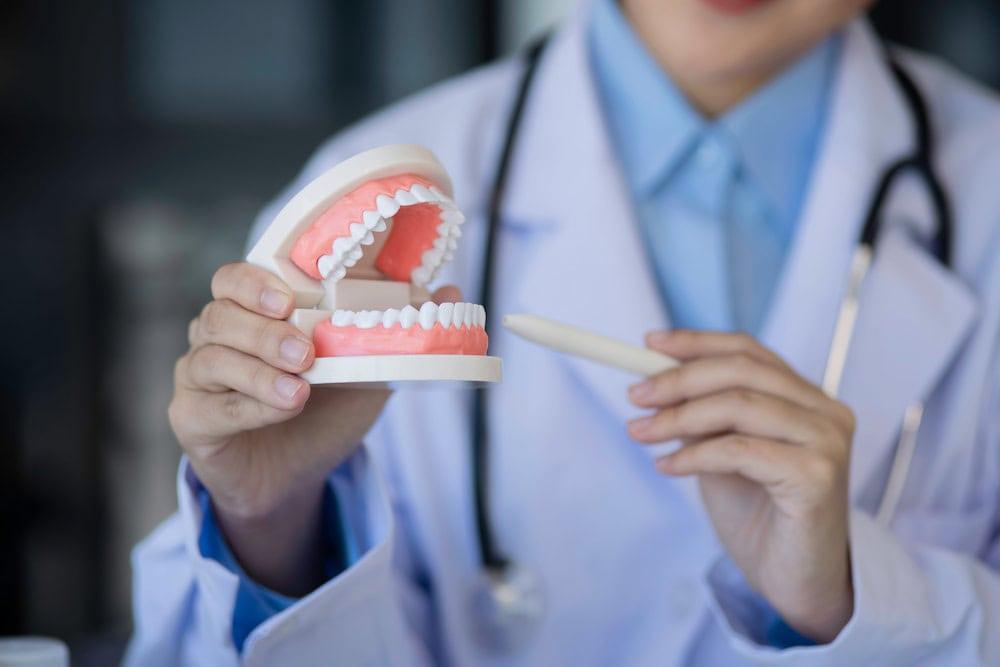
A dentist presents a mockup model of different types of dental implant materials to a patient.

With different types of dental implant materials available, selecting the best option involves weighing several factors with your dentist. 

  • Medical considerations: If you have a history of metal allergies, autoimmune conditions, or concerns about bone density, these will influence your options. While titanium allergies are uncommon, zirconia provides peace of mind if you want to avoid metals altogether.
  • Dental location: For front teeth and areas where gums are thin, zirconia’s tooth-colored appearance may offer better aesthetics. For molars and areas that bear heavy chewing forces, titanium is often preferred for its proven strength.

Budget and long-term value: When comparing dental implants cost, titanium implants typically cost less than zirconia and have the most extensive research supporting their durability. However, for patients who prioritize aesthetics or metal-free treatment, investing in zirconia may be worthwhile.


Material

Biocompatibility

Aesthetics

Durability

Best For

Titanium

Excellent

Good (gray color)

Excellent (95%+ success)

Most patients, back teeth

Zirconia

Excellent

Superior (white)

Very good (newer data)

Metal-free, front teeth

PFM Crown

Good

Good

Strong

Back teeth restorations

Full Ceramic Crown

Excellent

Excellent

Good

Front teeth, aesthetics


What to discuss with your dentist

Before your implant procedure, have an open conversation with your dentist about several key topics:

  • Share your complete medical history, including any allergies or sensitivities to metals or other materials. 
  • Discuss where the implant will be placed and your aesthetic expectations. Do you need a seamless match with surrounding teeth, or is function the primary concern?
  • Ask about the expected lifespan of different material options and what maintenance or follow-up care you’ll need. 

Finally, discuss the total treatment cost, including the implant fixture, abutment, and crown. Understanding the full picture helps you plan and budget appropriately.

Get the right dental implants you need for a shining smile

The right implant can make all the difference for a long-lasting smile. If you’re considering them, understanding the different types of dental implant materials, like titanium, zirconia, or various crown options like PFM and full ceramic, helps you make the right choice for biocompatibility, strength, and aesthetics. The best option differs for everyone, so you’ll want to get it right.

About Tooth Dental Clinic is a trusted dental clinic in Bangkok with branches conveniently located near BTS Punnawithi and BTS Siam. Our experienced implant specialists use advanced technology to assess each case and recommend the most suitable materials for your needs. With comprehensive services, transparent pricing, and a welcoming environment, we help patients restore their smiles with confidence.

Get your best smile today with implants that fit you! Book a consultation today to get a personalized treatment plan and transparent dental implants cost. We offer comprehensive services and a welcoming environment.

booking

References:

  1. Evaluation of one-piece zirconia dental implants: An 8-year follow-up study. 5th June 2023. PubMed Central. Retrieved on 11 February 2026 from https://pmc.ncbi.nlm.nih.gov/articles/PMC10329592/

FAQ

Q1: Is titanium or zirconia better for dental implants?

Titanium is the gold standard with over 50 years of clinical success and 95%+ success rates. Zirconia is a newer, metal-free alternative ideal for patients with metal allergies or those who need implants in highly visible areas. Both are biocompatible and effective, but the best choice depends on your specific needs.

Q2: Can I get dental implants if I have a metal allergy?

Yes. True titanium allergies are rare, but if you have concerns about metal sensitivity, zirconia implants offer a completely metal-free alternative. Zirconia is highly biocompatible and provides excellent aesthetics, making it a safe choice for patients who prefer to avoid metals.

Q3: How long do dental implants last based on material?

Titanium implants have the longest track record and can last 20 years or more with proper care. Zirconia implants show promising durability with positive early success data, though they have a shorter clinical history. The crown portion may need replacement after 10 to 15 years depending on the material used.

Dr. Nisara Tanarerkchai, D.D.S. is a dentist specializing in dental implants, orthodontics, and veneers. She graduated from the Faculty of Dentistry at Thammasat University. With extensive professional experience, she holds multiple certificates in various dental fields, including Advanced General Dentistry, Dental Implants, Advanced Orthodontics, as well as certificates in the Veneer Bootcamp and the Veneer Masterclass. Additionally, she is certified as a Platinum Provider of Invisalign for 2021 and achieved Zenyum Star Tier status in 2023.

Currently, Dr. Thanaruksachai is the founder of About Tooth Dental Clinic, which received the World Class Award 2021 in the category of The Best of International Healthy Business. She is also serves as a member of the Thai Association of Dental Implants (TADI).
Continue ReadingWhat Are Dental Implants Made Of? A Guide to Implant Materials

Types of Veneers: How to Choose the Right One for Your Smile

Key Takeaway:

Dental veneers are thin shells that cover the front of your teeth to fix discoloration, chips, and gaps. The main types of tooth veneers include porcelain veneers (most natural-looking and durable), composite veneers (more affordable, single-visit option), no-prep veneers (minimally invasive), and temporary veneers (for trials or special occasions). Your choice depends on tooth condition, budget, and how much preparation you’re comfortable with. Proper aftercare includes regular brushing, avoiding hard foods, and dental checkups, which help all types of veneers last longer.

White teeth aren’t the only thing that makes up a perfect smile, as it’s just as much about shape, symmetry, and the confidence that comes from knowing your smile looks its best. Not everyone is blessed with naturally flawless teeth, but that doesn’t mean a stunning smile is out of reach. Dental veneers offer a fast, effective way to transform your appearance, correcting everything from discoloration to chips and gaps.

With several types of veneers available today, choosing the right one can feel overwhelming. If you’re wondering what the different types of veneers are and which suits you best, you’re in the right place. This guide breaks down the different types of veneers, their pros and cons, and how to pick the best fit for your smile goals.

What are dental veneers?

Dental veneers are thin, custom-made shells that cover the front surfaces of your teeth. They’re bonded directly to your natural teeth to improve their appearance, changing their color, shape, size, or length. It’s important to note that veneers are different from crowns (which cover the entire tooth) and implants (which replace missing teeth entirely).

Veneers are commonly used to fix discoloration that doesn’t respond to whitening, chipped or worn teeth, gaps between teeth, and minor misalignment. As a popular cosmetic dentistry solution, they deliver natural-looking results that can completely transform your smile. Even so, there are different types of veneers available to fit different dental goals and needs.

Main types of tooth veneers

Veneers being fitted, with placement changing with different types of veneers.

When exploring what the different types of veneers are, you’ll find several options, each with unique characteristics suited to different needs and budgets.

1. Porcelain veneers (ceramic veneers)

Porcelain veneers are made from high-quality ceramic materials such as lithium disilicate (commonly known as E-max). They’re considered the gold standard in cosmetic dentistry for good reason.

  • Delivers the most natural-looking results thanks to its translucent quality, which mimics how light reflects off natural tooth enamel
  • Highly stain-resistant
  • Can last 10 to 15 years or longer with proper care

However, porcelain veneers require moderate tooth preparation, meaning some enamel must be removed before placement. They’re also more expensive than other options. That said, they’re ideal for patients seeking a full smile makeover with long-lasting, beautiful results.

2. Composite veneers

Composite veneers are made from tooth-colored resin that’s applied directly to your teeth and sculpted by your dentist. This makes them a more affordable alternative to porcelain.

One major advantage of composite veneers is convenience, as they can often be completed in a single visit since they don’t require lab fabrication. They also require less enamel removal than porcelain veneers.

The trade-off is durability. Composite veneers are less resistant to staining and may chip more easily over time. They typically last 5 to 7 years before needing replacement or repair, and they’re best suited for minor cosmetic fixes or patients working within a tighter budget.

3. No-prep / ultra-thin veneers

No-prep veneers, such as Lumineers, are ultra-thin ceramic shells that require little to no enamel removal. This makes them a less invasive option, and in some cases, the process is reversible.

These veneers work well for patients with minor cosmetic concerns who want to preserve as much natural tooth structure as possible. However, they’re not suitable for everyone, particularly those with severe discoloration or teeth that need significant reshaping. Because they’re so thin, they may not mask dark stains as effectively as traditional porcelain veneers.

4. Temporary and removable veneers

Temporary veneers serve as a trial run before committing to permanent veneers, or they can be used for special occasions when you want a quick cosmetic enhancement. Removable “snap-on” veneers clip over your existing teeth without any dental work.

While these options are non-invasive and budget-friendly, they tend to look bulkier and less natural than bonded veneers. It’s important to understand that temporary and removable veneers are not long-term clinical solutions, as they’re intended for short-term or occasional use only.

How to choose the right veneer type

With so many types of tooth veneers to consider, selecting the best option depends on several factors. Start by considering your:

  • Tooth condition — Do you have deep stains, chips, or alignment issues? How serious your concerns are will influence which veneer material works best.
  • Budget — While porcelain veneers cost more upfront, their longevity may make them more cost-effective over time. Composite veneers have lower initial costs but may need more frequent replacement.

When consulting with your dentist, ask about the veneers’ expected lifespan, the materials they use, and what happens if a veneer chips or needs repair. You should have a thorough discussion before making an informed decision.


Veneer Type

Material

Prep Needed

Longevity

Best For

Porcelain

Ceramic (E-max)

Moderate

10–15+ years

Full smile makeovers

Composite

Resin

Minimal

5–7 years

Minor fixes, budget-friendly

No-Prep

Ultra-thin ceramic

Little to none

7–10 years

Minimal intervention

Temporary

Resin/plastic

None

Short-term

Trials, special occasions

Aftercare tips for all veneer types

Regardless of which of the types of veneers you choose, proper aftercare is essential for making them last. 

  • Brush and floss regularly using non-abrasive toothpaste to avoid scratching the veneer surface.
  • Avoid biting hard objects like ice, pens, or your fingernails, as this can cause chips or cracks.
  • If you grind your teeth at night, ask your dentist about wearing a night guard to protect your veneers. 

And don’t skip your regular dental checkups, either. Your dentist can monitor your veneers and catch any issues early.

Choose veneers that fit you today

Now that you know what the different types of veneers are, you can see that each option, from durable porcelain to budget-friendly composite, minimally invasive no-prep options, and temporary solutions, has its own strengths. The various types of tooth veneers cater to different needs, and the right choice depends on your tooth condition, aesthetic goals, and budget.

For those seeking quality veneers in Bangkok, About Tooth Dental Clinic is a comprehensive dental clinic with branches conveniently located near BTS Punnawithi and BTS Siam. Our team of specialist dentists uses modern technology and digital smile design to create veneers tailored to your unique facial structure and goals. With a friendly atmosphere, affordable pricing, and full-service care, we make achieving your ideal smile convenient and comfortable.

Ready to find the right veneer type for your smile? Book a consultation for veneers in Bangkok today and take the first step toward your most confident smile.

booking

References:

  1. Lumineers Dental Veneers | #1 Patient-Requested Porcelain Veneer. (date n/a). Lumineers. Retrieved on 12th February 2026 from https://www.lumineers.com/

Frequently Asked Questions (FAQ)


Q1: Which type of veneer looks the most natural?


Porcelain veneers typically look the most natural because they have a translucent quality that mimics how light reflects off natural tooth enamel. High-quality ceramic materials like lithium disilicate (E-max) are especially known for their lifelike appearance.


Q2: How long do different types of veneers last?


Porcelain veneers can last 10 to 15 years or longer with proper care. Composite veneers typically last 5 to 7 years before needing replacement. No-prep veneers generally last 7 to 10 years, while temporary veneers are designed only for short-term use.
H3: Q3: Are veneers reversible?
Traditional porcelain veneers require enamel removal and are not reversible. However, no-prep or ultra-thin veneers require little to no enamel removal and may be reversible in some cases. Temporary and removable veneers can be taken off at any time.


Q4: How do I choose between porcelain and composite veneers?


Choose porcelain veneers if you want the most natural-looking, long-lasting results and are planning a full smile makeover. Choose composite veneers if you have a limited budget, need minor cosmetic fixes, or prefer a less invasive option that can be completed in one visit.

Dr. Nisara Tanarerkchai, D.D.S. is a dentist specializing in dental implants, orthodontics, and veneers. She graduated from the Faculty of Dentistry at Thammasat University. With extensive professional experience, she holds multiple certificates in various dental fields, including Advanced General Dentistry, Dental Implants, Advanced Orthodontics, as well as certificates in the Veneer Bootcamp and the Veneer Masterclass. Additionally, she is certified as a Platinum Provider of Invisalign for 2021 and achieved Zenyum Star Tier status in 2023.

Currently, Dr. Thanaruksachai is the founder of About Tooth Dental Clinic, which received the World Class Award 2021 in the category of The Best of International Healthy Business. She is also serves as a member of the Thai Association of Dental Implants (TADI).

Continue ReadingTypes of Veneers: How to Choose the Right One for Your Smile