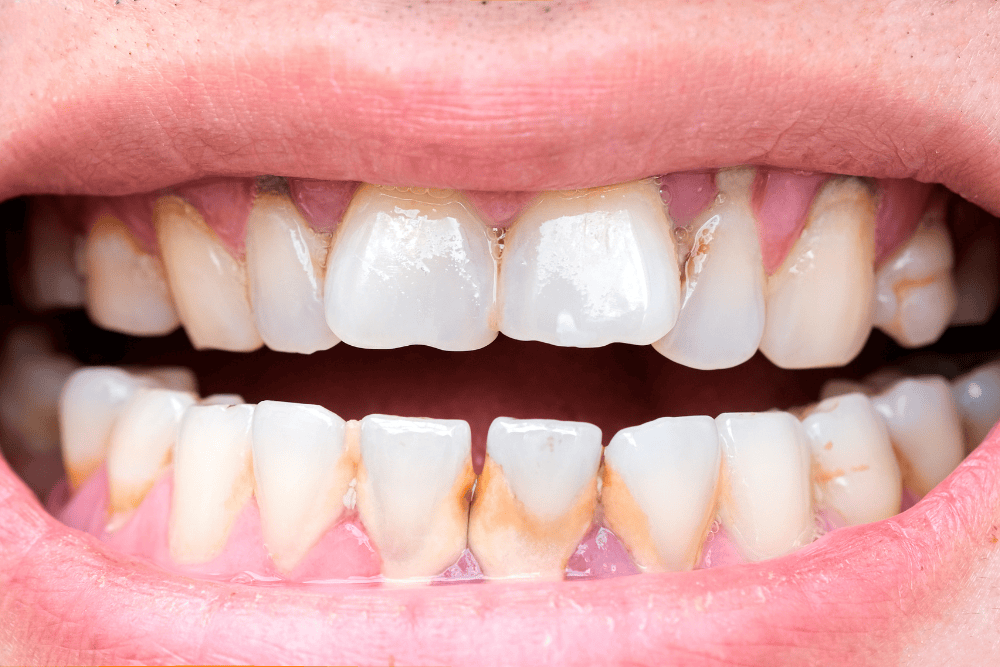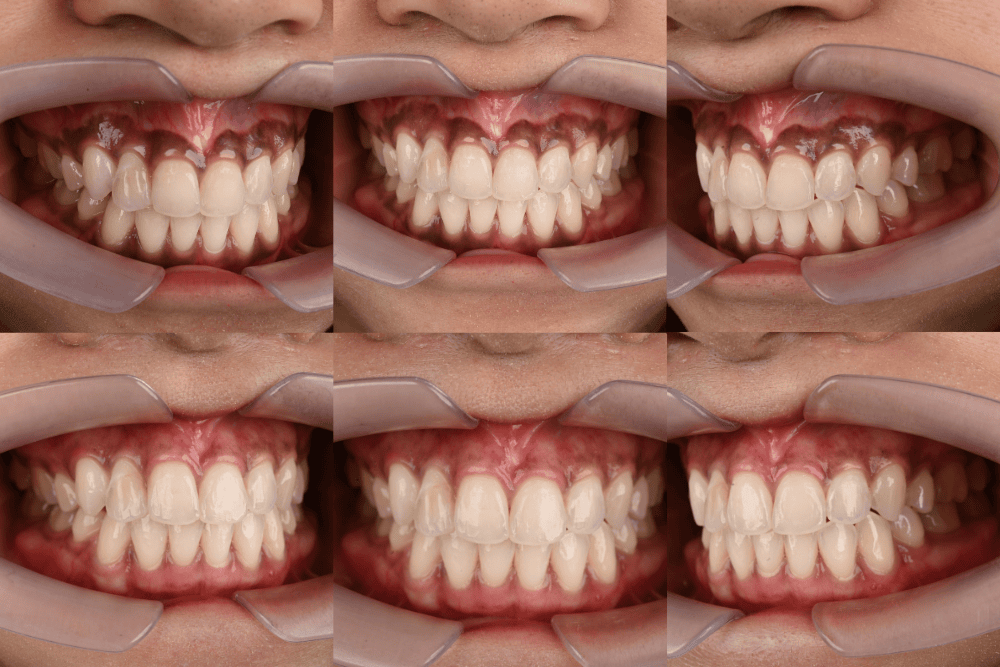
What Is Root Canal Treatment? Does It Hurt and What Are the Steps?

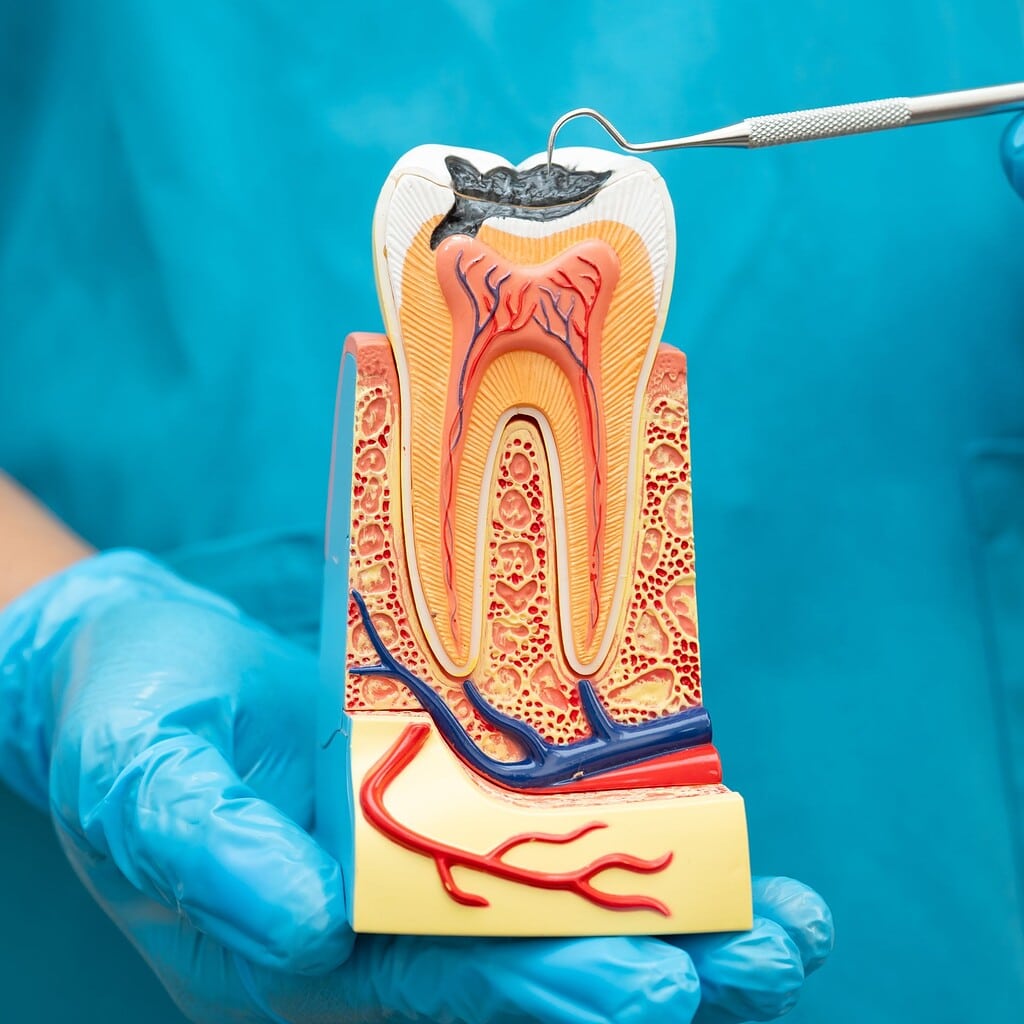
Root Canal Treatment is a dental procedure used to help preserve a tooth when the dental pulp or root canal becomes inflamed or infected. This can be caused by deep tooth decay, a chipped or cracked tooth, or trauma to the tooth.

If the condition is left untreated, it may lead to severe tooth pain, abscess formation, or eventually the need for tooth extraction. Root canal treatment helps remove the infected or inflamed tissue, control the infection, and preserve the natural tooth so it can continue to function for as long as possible.

What Is Root Canal Treatment?

Root canal treatment is a dental procedure that removes inflamed or infected pulp tissue from inside the tooth. The root canals are then thoroughly cleaned and disinfected before being filled and sealed with specialized materials to help prevent reinfection. This treatment helps preserve the natural tooth so it can remain in the mouth and continue to function properly.

Steps of Root Canal Treatment

  1. Examination and X-ray
    The dentist examines the tooth and takes an X-ray to assess the condition of the dental pulp, roots, and surrounding tissues.
  2. Local Anesthesia
    Local anesthesia is administered to numb the treatment area and help minimize discomfort during the procedure.
  3. Accessing the Root Canals
    An opening is made in the tooth to access the pulp chamber and remove inflamed or infected tissue from the root canals.
  4. Cleaning the Root Canals
    The canals are carefully cleaned and disinfected using specialized instruments and solutions.
  5. Filling the Root Canals
    Once cleaned, the root canals are filled and sealed with dental materials to help prevent reinfection.
  6. Restoring the Tooth
    The tooth is restored with a filling or dental crown, depending on its condition, to help restore strength and function.

Symptoms That May Indicate the Need for Root Canal Treatment

  • Severe tooth pain, especially when chewing or when exposed to hot or cold temperatures
  • Tooth discoloration, swollen gums, or pus around the root area
  • Deep tooth decay that reaches the dental pulp and causes inflammation
  • Persistent tooth pain that does not improve even after taking pain medication

If you experience any of these symptoms, it is important to see a dentist for an examination and diagnosis to determine whether root canal treatment is necessary.

รากฟัน

Does Root Canal Treatment Hurt?

Many patients worry that root canal treatment may be very painful. However, dentists usually administer local anesthesia before the procedure to numb the tooth and surrounding tissues. During treatment, most patients feel pressure or movement from the dental instruments rather than significant pain.

In some cases, the pain experienced before treatment is caused by inflammation or infection inside the tooth. Root canal treatment is designed to remove the affected tissue, address the source of inflammation, and help relieve the pain.

After treatment, mild soreness or sensitivity may occur for a short period and should gradually improve.

How Many Visits Does Root Canal Treatment Take?

The number of appointments required for root canal treatment varies from person to person.

Many cases may be completed in approximately 1–2 visits, while some may require additional appointments if there is a significant infection or the root canal anatomy is complex.

The number of visits depends on several factors, including:

  • The number of root canals
  • The shape and complexity of the root canals
  • The severity of inflammation or infection
  • The location of the tooth
  • The condition of the tooth before treatment
  • Whether follow-up between appointments is necessary

The exact number of visits should therefore be determined by the dentist after evaluating the affected tooth.

How Long Does Each Root Canal Treatment Appointment Take?

In general, each root canal treatment appointment may take approximately 60–90 minutes, while some cases may require around 1–2 hours.

The treatment time depends on the complexity of the tooth. For example, a tooth with multiple root canals or a more significant infection may require more time for cleaning and treatment than a tooth with a simpler root canal structure.

It is therefore normal for treatment time to vary between patients.

Is It Painful After Root Canal Treatment?

After the local anesthesia wears off, some patients may experience mild soreness, sensitivity, or discomfort when biting during the first few days, especially if the tooth was already inflamed before treatment.

Mild discomfort should gradually improve.

You should return to your dentist if you experience:

  • Pain that becomes more severe
  • Severe throbbing pain
  • Swelling of the gums or face
  • Fever
  • A temporary filling that becomes loose or falls out
  • Persistent or unusual pain when biting

If any of these symptoms occur, your dentist should examine the tooth to determine the cause and whether additional treatment is needed.

Do You Need a Dental Crown After Root Canal Treatment?

Not every tooth requires a dental crown after root canal treatment.

After treatment, the dentist will evaluate whether the tooth should be restored with a filling or a dental crown based on factors such as:

  • How much natural tooth structure remains
  • Whether the tooth has cracks or fractures
  • How much chewing force the tooth receives
  • Whether it is a front tooth or a back tooth
  • Whether there is a large existing dental filling

If a significant amount of tooth structure has been lost, particularly in back teeth that receive greater chewing forces, the dentist may recommend a dental crown to help protect the tooth and reduce the risk of fracture.

When Should You See a Dentist?

You should not wait until the tooth becomes severely painful before seeking treatment, as problems involving the dental pulp may sometimes develop without obvious symptoms in the early stages.

It is recommended to see a dentist if you experience:

  • Persistent tooth pain
  • Significant pain when chewing or biting
  • Lingering sensitivity to hot or cold temperatures
  • Swollen gums
  • A bump or pus around the gums
  • Tooth discoloration
  • A cracked tooth or dental trauma
  • Deep tooth decay
  • Swelling of the face or jaw

These symptoms do not necessarily mean that root canal treatment is required in every case, but they are signs that the tooth should be examined to determine the cause and appropriate treatment.

Benefits of Root Canal Treatment

  • Helps preserve the natural tooth for longer
  • Helps reduce the risk of infection spreading
  • May help avoid tooth extraction and tooth replacement
  • Helps maintain chewing function and the appearance of the natural tooth

How to Care for Your Tooth After Root Canal Treatment

After root canal treatment, it is important to maintain good oral hygiene. Brush your teeth twice a day, floss regularly, and avoid chewing very hard foods with the treated tooth during the early stages of recovery.

You should also attend all scheduled follow-up appointments. If you experience unusual symptoms such as persistent pain, swelling, or a loose filling, contact your dentist as soon as possible.

Root canal treatment is an effective way to help preserve a natural tooth, reduce the risk of tooth loss, and allow the tooth to continue functioning. If you notice unusual symptoms or think you may need root canal treatment, it is best to see a dentist for an examination and an appropriate treatment plan.

If you are experiencing tooth pain, deep tooth decay, or think you may need root canal treatment, you can contact About Tooth Dental Clinic for an evaluation. Our dental team provides comprehensive care, from detailed diagnosis through the complete root canal treatment process.

Do not let tooth pain or inflammation affect your oral health and quality of life. Schedule a consultation to have your tooth assessed and receive a personalized treatment plan based on your individual needs.

You can book an appointment with a dentist for consultation and an oral health assessment at About Tooth Dental Clinic. We are open at both our Siam and Punnawithi branches, conveniently located right next to the BTS stations at each location. For more information or to schedule an appointment in advance, please call 087-555-4665 or 080-481-5555, or add us on LINE Official Account at @abouttooth to chat with our team. 

booking

References

Root Canal Explained.  Accessed September 29, 2026. from: https://www.ada.org/resources/ada-library/oral-health-topics/dental-erosion/ 

Frequently Asked Questions About Root Canal Treatment (FAQs)

Q: Does Root Canal Treatment Hurt?

Local anesthesia is used during the procedure, so most patients should not feel significant pain. You may feel some pressure during treatment, and mild soreness may occur for a short period after the anesthesia wears off.

Q: How Many Visits Does Root Canal Treatment Take?

Many cases can be completed in approximately 1–2 visits, while some may require additional appointments depending on the location of the tooth, the complexity of the root canals, and the severity of the infection.

Q: How Long Does Each Root Canal Treatment Appointment Take?

A root canal treatment appointment may take approximately 60–90 minutes, while some cases may require around 1–2 hours or longer, depending on the complexity of the tooth.

Q: How Long Does Pain Last After Root Canal Treatment?

Mild soreness or discomfort may occur during the first few days and should gradually improve. If the pain becomes more severe, swelling develops, or the symptoms do not improve, you should contact your dentist.

Q: Do All Teeth Need a Crown After Root Canal Treatment?

No. Not every tooth requires a dental crown after root canal treatment. The type of restoration depends on the location of the tooth, the amount of remaining tooth structure, and the dentist’s evaluation.

Q: If My Tooth No Longer Hurts, Do I Still Need Root Canal Treatment?

A reduction in pain does not necessarily mean that the inflammation or infection inside the tooth has resolved. If your dentist has diagnosed a problem involving the dental pulp or root canals, the recommended treatment should be completed.

Q: Does Every Tooth With Deep Decay Need Root Canal Treatment?

Not always. The dentist needs to determine whether the decay has reached the dental pulp or caused damage to the tissue inside the tooth. If the tooth can still be treated with a filling or another procedure, the dentist will recommend the most appropriate treatment.


Dr. Nisara Tanarerkchai, D.D.S. is a dentist specializing in dental implants, orthodontics, and veneers. She graduated from the Faculty of Dentistry at Thammasat University. With extensive professional experience, she holds multiple certificates in various dental fields, including Advanced General Dentistry, Dental Implants, Advanced Orthodontics, as well as certificates in the Veneer Bootcamp and the Veneer Masterclass. Additionally, she is certified as a Platinum Provider of Invisalign for 2021 and achieved Zenyum Star Tier status in 2023.

Currently, Dr. Thanaruksachai is the founder of About Tooth Dental Clinic, which received the World Class Award 2021 in the category of The Best of International Healthy Business. She is also serves as a member of the Thai Association of Dental Implants (TADI).

Continue ReadingWhat Is Root Canal Treatment? Does It Hurt and What Are the Steps?

Gum Recession: Causes, Risks, and Treatment Options

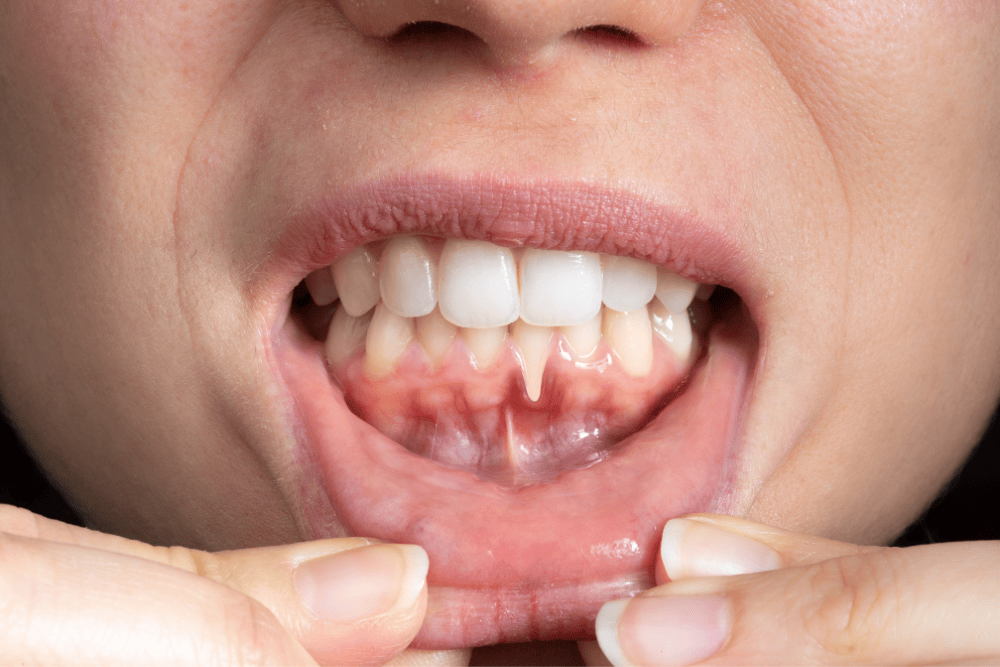
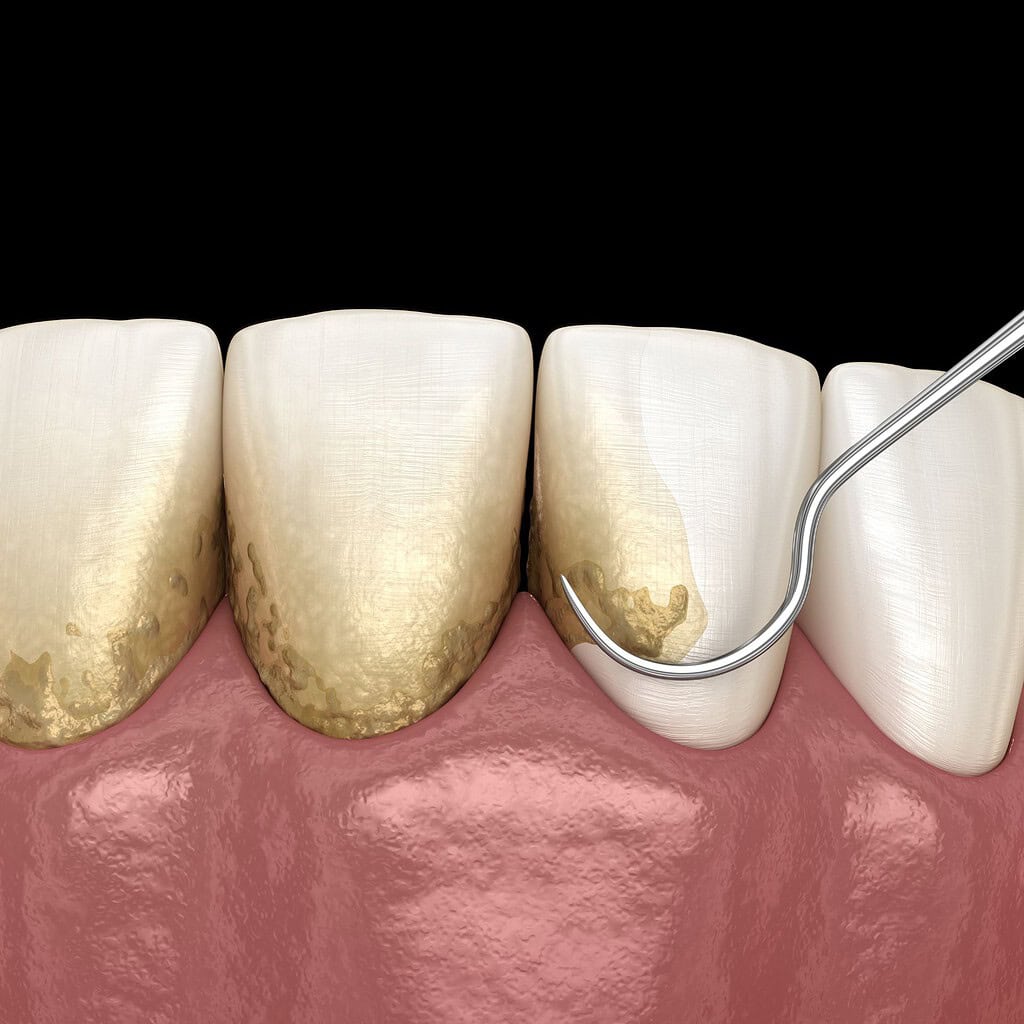
Gum recession is a condition in which the gum line gradually moves away from its original position, exposing more of the tooth root. This can make the teeth appear longer and may also cause tooth sensitivity. There are many possible causes, including aggressive tooth brushing, plaque buildup and periodontal disease, tooth position, smoking, and naturally thin gum tissue. In most cases, receded gums do not grow back on their own. Treatment therefore begins with identifying and addressing the underlying cause, and not everyone with gum recession will necessarily need gum graft surgery.

Have you ever noticed that some of your teeth look longer than they used to, or that the area near the gum line appears to expose part of the tooth root? These changes may not mean that your teeth are actually “getting longer.” Instead, they could be a sign of gum recession, a condition in which the gum line moves away from its original position and exposes more of the root surface.

Gum recession can affect a single tooth or multiple teeth. It is not caused only by poor oral hygiene. Other contributing factors may include aggressive brushing, gum disease or periodontal disease, tooth position, smoking, and the natural thickness and characteristics 

What Is Gum Recession with Exposed Tooth Roots? Why Do Teeth Look Longer?

Gum recession is a condition in which the gum line moves away from its normal position toward the tooth root, exposing more of the root surface. Some people may experience gum recession around only one tooth, while others may notice it in several areas at the same time.

One of the first things many people notice is that their teeth appear longer. However, the teeth themselves are not actually growing or becoming longer. What becomes more visible is the root surface because the gum line has receded from its original position.

As more of the tooth root becomes exposed, tooth sensitivity may occur when consuming cold, hot, sweet, or acidic foods and drinks. Some people may also experience sensitivity while brushing because the root surface is not protected by enamel in the same way as the crown of the tooth.

Therefore, if your teeth appear longer than before, it does not mean that the teeth are growing. It may be a sign that the gums are receding.

What Causes Gum Recession? 6 Common Causes

Many people assume that gum recession is caused only by brushing too hard or by poor oral hygiene. In fact, gum recession can have several different causes, and some people may have more than one contributing factor.

1. Brushing Too Hard

Using excessive pressure while brushing or repeatedly scrubbing around the neck of the tooth and gum line may traumatize the surrounding tissue over time, particularly in people with naturally thin gum tissue.

Brushing effectively does not mean brushing forcefully. It is important to use gentle pressure and choose a soft-bristled toothbrush.

2. Plaque and Tartar Buildup

When teeth are not cleaned thoroughly, bacterial plaque can accumulate along the gum line. Over time, plaque may harden into tartar and contribute to gum inflammation.

If inflammation progresses and affects the tissues and bone supporting the teeth, it may be associated with tissue loss around the teeth and gum recession.

3. Gum Disease and Periodontal Disease

Periodontal disease is an inflammatory condition that affects the tissues and bone supporting the teeth. As the disease progresses, it may lead to bone loss around the teeth, gum recession, tooth mobility, or changes in tooth position.

If gum recession occurs together with symptoms such as bleeding gums, persistent bad breath, loose teeth, or changes in the spaces between teeth, a periodontal evaluation is recommended.

4. Tooth Position or Alignment

Some teeth may be tilted or positioned in areas where the surrounding bone and gum tissue are relatively thin. In certain cases, these teeth may have a greater risk of developing gum recession than others.

5. Individual Gum Tissue Characteristics

The thickness and characteristics of gum tissue vary from person to person. Individuals with naturally thin gum tissue may be more prone to gum recession than those with thicker gum tissue.

6. Smoking and Gum Trauma

Smoking, injuries to the gums, or habits that repeatedly irritate or traumatize gum tissue may also affect gum health and contribute to gum recession.

For this reason, treatment for gum recession should begin with identifying the underlying cause rather than making a diagnosis based on appearance alone.

Are Gum Recession and Gingivitis the Same?

No. They are different conditions, although they can be related.

Gingivitis commonly causes red, swollen, or easily bleeding gums, with bacterial plaque along the gum line being one of the main contributing factors.

Gum recession, on the other hand, occurs when the gum line moves away from its original position, exposing more of the tooth root and making the tooth appear longer.

If gum inflammation progresses to periodontal disease and causes loss of the tissues or bone supporting the teeth, gum recession may occur as part of the condition.

However, having gum recession does not necessarily mean that a person also has gingivitis. Gum recession may result from other factors, including aggressive brushing, tooth position, or naturally thin gum tissue.

If you also notice redness, swelling, or bleeding gums, you can learn more about gingivitis, its causes, symptoms, and treatment to better understand common gum health problems.

Signs That Your Gums May Be Receding

The symptoms of gum recession can vary from person to person, and some people may not experience any pain. Possible signs include:

  • One or more teeth appearing longer than the surrounding teeth
  • More of the tooth neck or root becoming visible
  • The gum line around certain teeth appearing lower than others
  • Tooth sensitivity when consuming cold, hot, sweet, or acidic foods and drinks
  • Sensitivity around the gum line while brushing
  • Changes in the shape or level of the gum line
  • Changes in the spaces between teeth

Some people may not experience tooth sensitivity at all and may only notice that a tooth looks longer or that the gum levels on each side are uneven.

If gum recession is accompanied by bleeding gums, redness or swelling, persistent bad breath, loose teeth, pus, or increasing spaces between the teeth, a dental examination is recommended, as these symptoms may indicate gum disease or periodontal disease.

Is Gum Recession with Exposed Tooth Roots Dangerous?

Gum recession does not only affect appearance or make the teeth look longer. As more of the root surface becomes exposed, other oral health problems may develop.

Increased Tooth Sensitivity

The root surface does not have the same protective enamel layer as the crown of the tooth. As a result, it may become more sensitive to cold, heat, sweetness, acidity, and other stimuli.

 Increased Risk of Root Cavities

When the tooth root becomes exposed, plaque buildup and inadequate cleaning may increase the risk of developing tooth decay on the root surface.

Changes in Smile Aesthetics

Uneven gum recession can make some teeth appear longer than others, affecting the overall proportions of the teeth and gums when smiling.

Periodontal Disease May Affect the Supporting Tissues of the Teeth

If gum recession occurs together with periodontal disease and the condition is left untreated, further loss of the tissues and bone supporting the teeth may occur. In severe cases, the teeth may become loose and the risk of tooth loss may increase.

However, seeing a small amount of exposed tooth root does not necessarily mean that surgery is immediately required. The severity and appropriate treatment can vary from person to person, so evaluation by a dentist is recommended.

Can Receding Gums Grow Back on Their Own?

In general, gum tissue that has receded and been lost cannot naturally grow back to cover the exposed tooth root in the same way as before.

However, when gum recession is detected early, the contributing factors can often be managed to help reduce the risk of further recession. This may include:

  • Improving brushing technique
  • Reducing brushing pressure
  • Controlling plaque and tartar buildup
  • Treating gum disease or periodontal disease
  • Evaluating tooth position and alignment
  • Monitoring gum levels regularly

Therefore, the most important question is not simply “How can I make my gums grow back?” but rather “What is causing my gum recession?” Identifying the cause helps the dentist recommend the most appropriate care and treatment.

How Is Gum Recession Treated? Does Everyone Need a Gum Graft?

Not everyone with gum recession needs a gum graft.

Treatment depends on the underlying cause, severity of the recession, tooth sensitivity, the condition of the tissues surrounding the teeth, and other individual factors.

If Gum Recession Is Caused by Aggressive Brushing

Treatment may begin with improving brushing technique, reducing pressure, and using a soft-bristled toothbrush to prevent further trauma to the gum line.

If Plaque or Tartar or Gum Disease Is Present

The inflammation and buildup around the teeth need to be controlled. Depending on the condition, the dentist may recommend professional scaling or scaling and root planing.

If Tooth Sensitivity Is Present

There are several ways to help manage tooth sensitivity, such as using toothpaste formulated for sensitive teeth, fluoride-containing products, or other dental treatments depending on the dentist’s evaluation.

If Tooth Position Contributes to Gum Recession

In some cases, the position of the teeth, surrounding bone, and gum tissue may need to be evaluated together to determine the most appropriate treatment approach.

If Gum Recession Is Severe or There Are Specific Indications

A dentist or periodontist may recommend periodontal surgery, such as a gum graft or root coverage procedure, to increase the amount of gum tissue in the affected area, reduce root exposure, or help relieve sensitivity when appropriate.

Treatment should therefore be individualized, and the most suitable approach should not be determined based on the appearance of gum recession alone.


Gum Recession

When Should You See a Dentist for Gum Recession?

You should consider seeing a dentist if you begin to notice any of the following:

  • Your teeth appear longer than before
  • More of the tooth root becomes visible
  • Gum recession appears to be getting progressively worse
  • Sensitivity around the tooth neck or root
  • Red, swollen, or easily bleeding gums
  • Persistent bad breath
  • Loose teeth
  • Changes in the spaces between teeth or tooth alignment

A dentist can measure the gum line, evaluate the condition of the tissues surrounding the teeth, and perform additional examinations when necessary to determine whether the gum recession is related to brushing habits, periodontal disease, tooth position, or other contributing factors.

The earlier the cause is identified, the easier it is to plan appropriate care and treatment for the specific problem.

How Can You Prevent Gum Recession from Getting Worse?

Proper oral care can help reduce factors that may contribute to further gum recession. Recommended steps include:

  • Use a soft-bristled toothbrush
  • Brush gently and avoid scrubbing aggressively around the gum line
  • Brush twice a day with fluoride toothpaste
  • Clean between your teeth regularly
  • Keep plaque and tartar buildup under control
  • Avoid smoking
  • Attend regular dental check-ups as recommended by your dentist

If you have specific risk factors, such as naturally thin gum tissue, unusual tooth positioning, or existing periodontal disease, regular monitoring is especially important to determine whether the gum level remains stable or continues to recede.

Gum recession can result from many different factors, including aggressive brushing, plaque and tartar buildup, gum disease and periodontal disease, tooth position, smoking, and individual gum tissue characteristics.

 If you begin to notice that your teeth look longer, the gums have receded enough to expose the tooth roots, or you experience tooth sensitivity, it is recommended to have the area examined early to identify the underlying cause. Treatment and management can vary from person to person, and not every case of gum recession requires a gum graft.

If you notice that your teeth are starting to look longer, the tooth roots are becoming exposed, or you are experiencing tooth sensitivity, you can consult a dentist at About Tooth Dental Clinic for a gum health evaluation. The dentist can assess the severity of the gum recession and determine whether gum disease, periodontal disease, or other contributing factors are present before recommending an individualized treatment plan.

You can book an appointment with a dentist for consultation and an oral health assessment at About Tooth Dental Clinic. We are open at both our Siam and Punnawithi branches, conveniently located right next to the BTS stations at each location. For more information or to schedule an appointment in advance, please call 087-555-4665 or 080-481-5555, or add us on LINE Official Account at @abouttooth to chat with our team. 

booking

References

Gum Recession. Accessed August 4, 2026. from: https://my.clevelandclinic.org/health/diseases/22753-gum-recession?utm_source=chatgpt.com 

 Frequently Asked Questions About Gum Recession (FAQ)

Q: What causes gum recession?

Gum recession can be caused by several factors, including aggressive tooth brushing, periodontal disease, plaque and tartar buildup, tooth position, naturally thin gum tissue, smoking, or trauma to the gums.

Q: Can receding gums grow back on their own?

In general, gum tissue that has receded and been lost does not naturally grow back to its original position. However, the underlying cause can be treated and risk factors can be controlled to help prevent further gum recession.

Q: Does everyone with gum recession need a gum graft?

No. A gum graft is not necessary for everyone. Whether it is recommended depends on the severity of the recession, the characteristics of the gum tissue, symptoms, risks to the exposed root surface, and the dentist’s evaluation.

Q: Can gum recession cause tooth sensitivity?

Yes. When gum recession exposes the tooth root, the area may become more sensitive to cold, hot, sweet, or acidic foods and drinks. Some people may also experience sensitivity while brushing.

Q: What is the difference between gum recession and gingivitis?

Gingivitis commonly causes red, swollen, and easily bleeding gums. Gum recession, on the other hand, occurs when the gum line moves away from its original position and exposes more of the tooth root. The two conditions can occur together, but having gum recession does not necessarily mean that a person also has gingivitis.

Q: Can gum recession cause teeth to fall out?

Gum recession alone does not necessarily mean that a tooth will fall out. However, if periodontal disease is also present and causes loss of the bone supporting the teeth, severe disease may lead to loose teeth and increase the risk of tooth loss.

Q: Does mild gum recession need treatment?

It depends on the cause and severity. Some mild cases may not require surgical treatment, but a dental examination is recommended to determine whether the recession is stable or progressing and to manage the underlying factors as early as possible.

Q: How is gum recession caused by aggressive brushing treated?

The first step is to improve brushing technique, reduce brushing pressure, and use a soft-bristled toothbrush. If gum recession has already occurred, a dentist should assess the severity and determine whether any additional treatment is needed.

Q: Can gum recession increase the risk of root cavities?

Yes. Exposed root surfaces are not protected by enamel in the same way as the crowns of the teeth. This may increase the risk of root decay, especially when plaque accumulates or the area is difficult to clean effectively.

Q: Can gum recession affect only one tooth?

Yes. Gum recession may affect a single tooth, several teeth, or multiple areas of the mouth, depending on factors such as brushing habits, tooth position, and the characteristics of the surrounding gum tissue.

Q: Can gum recession occur after orthodontic treatment?

Some people may experience gum recession during or after orthodontic treatment, but this does not mean that orthodontic treatment causes gum recession in everyone. The risk depends on several factors, including the original tooth position, bone structure, gum thickness, and periodontal health. Each case should therefore be evaluated individually by a dentist.

Q: What type of toothpaste should I use for gum recession?

If tooth sensitivity is present, a toothpaste formulated for sensitive teeth and containing fluoride may help reduce discomfort. However, toothpaste cannot make receded gums grow back. If you have gum recession, it is important to have the underlying cause evaluated as well.

Q: What type of toothbrush should I use for gum recession?

A soft-bristled toothbrush is generally recommended. Teeth should be brushed with appropriate pressure, while avoiding aggressive scrubbing around the gum line and tooth neck, as repeated trauma may further irritate the gum tissue.

Q: When should I see a dentist for gum recession?

You should see a dentist if you notice exposed tooth roots, teeth that appear longer than before, progressively worsening gum recession, or tooth sensitivity. It is especially important to seek an evaluation if you also experience bleeding gums, redness or swelling, persistent bad breath, or loose teeth.

Dr. Nisara Tanarerkchai, D.D.S. is a dentist specializing in dental implants, orthodontics, and veneers. She graduated from the Faculty of Dentistry at Thammasat University. With extensive professional experience, she holds multiple certificates in various dental fields, including Advanced General Dentistry, Dental Implants, Advanced Orthodontics, as well as certificates in the Veneer Bootcamp and the Veneer Masterclass. Additionally, she is certified as a Platinum Provider of Invisalign for 2021 and achieved Zenyum Star Tier status in 2023.

Currently, Dr. Thanaruksachai is the founder of About Tooth Dental Clinic, which received the World Class Award 2021 in the category of The Best of International Healthy Business. She is also serves as a member of the Thai Association of Dental Implants (TADI).

Continue ReadingGum Recession: Causes, Risks, and Treatment Options

How to Choose a Dental Clinic in Siam: 7 Things to Check Before You Decide

Choosing a dental clinic in Siam should not be based only on which clinic is closest or offers the lowest price. It is important to consider whether the clinic provides the services you need, whether the dental team is experienced in the type of treatment you are looking for, whether hygiene and infection-control standards are in place, and whether the treatment plan and costs are clearly explained. Convenient access is also important, especially for treatments that require multiple appointments and ongoing follow-up.

Looking for a dental clinic in Siam but not sure which one to choose? The Siam area has many dental clinics, including clinics near BTS stations, clinics inside shopping malls, and clinics that offer specialized dental services.

In reality, choosing a dental clinic should not depend only on whether it is “close by” or “how much it costs.” Some dental treatments are long-term and require several follow-up visits.

Before making a decision, it is worth considering several factors together, including the services you need, the dental team, hygiene standards, equipment and technology, treatment planning, costs, reviews, and convenience of travel.

What Should You Look for When Choosing a Dental Clinic in Siam?

If you search for a “dental clinic in Siam,” one of the first things you may consider is whether the clinic is close to the BTS or easy to reach.

Convenience is important, but it should not be the only factor when choosing a dental clinic.

Before booking an appointment, consider at least these seven points:

  • Does the clinic offer the treatment you need?
  • Is there a dentist who provides that type of treatment?
  • Does the clinic follow appropriate hygiene and infection-control standards?
  • Does it have suitable equipment for examination and treatment planning?
  • Are the treatment plan and costs clearly explained?
  • Are there reviews or relevant treatment cases available for reference?
  • Is the location convenient for long-term follow-up appointments?

This is especially important for treatments such as Invisalign, veneers, dental implants, root canal treatment, or other procedures that involve multiple stages, where being able to return for appointments according to the treatment plan should be considered before treatment begins.

1. Check Whether the Clinic Offers the Dental Treatment You Need

Before asking, “Which dental clinic is the best?” it may be more useful to first ask yourself, “What treatment do I actually need?”

Different dental clinics may offer different services and have dental teams with different areas of focus.

General Dentistry

This may include:

  • Oral examinations and dental check-ups
  • Scaling and professional teeth cleaning
  • Dental fillings
  • Tooth extractions
  • Evaluation of tooth sensitivity or toothache

For general dental concerns, choosing a clinic that is easy to reach and convenient for follow-up appointments can be especially helpful.

Cosmetic Dentistry

This may include:

  • Ceramic veneers
  • Composite veneers
  • Teeth whitening
  • Gum contouring
  • Smile Design

For cosmetic dental treatments, it is also important to consider the design process, treatment planning, and examples of cases with concerns similar to your own.

ceramicveneerkdonut
ceramicveneerknene

Orthodontic Treatment

This may include:

  • Metal braces
  • Damon braces
  • Invisalign

Orthodontic treatment usually requires regular follow-up appointments. Therefore, in addition to choosing the right orthodontic system, it is also important to consider whether the clinic is conveniently located for you to return for scheduled visits throughout the treatment period.

Invisalign
Invisalign

Dental Implants and Tooth Replacement

This may include:

  • Dental implants
  • Dental crowns
  • Dental bridges
  • Dentures

These treatments may involve several stages, including examination, treatment planning, procedures, and follow-up appointments. It is therefore important to ask about the overall treatment process from the beginning so you know what to expect at each stage.

รากฟันเทียม
รากฟันเทียม

Other Specialized Dental Treatments

This may include:

  • Root canal treatment
  • Gum disease and periodontal treatment
  • Wisdom tooth surgery
  • Pediatric dentistry

About Tooth Siam Branch offers a range of dental services, including general dentistry, orthodontics, dental implants, and cosmetic dentistry. You can review the relevant services before booking an appointment.

ขูดหินปูน
รากฟัน

2. Choose a Dental Team That Matches Your Treatment

When choosing a dental clinic, it is important to look beyond the clinic name and consider which dentist will examine, plan, and provide your treatment.

Some information you may want to check includes:

  • Educational background
  • Relevant additional training
  • Experience with the type of treatment you need
  • Types of cases the dentist commonly manages
  • The role of each dentist in your treatment plan

Treatments that involve several areas, such as dental implants, orthodontics, or veneer smile design, may require more detailed planning than routine general dentistry.

If you would like to verify whether a dentist is licensed to practice in Thailand, you can search the dentist’s first and last name through the Dental Council of Thailand’s dentist search system.

Instead of asking only, “Does this clinic have good dentists?”, it may be more useful to ask, “Is the dentist who will treat me suitable for the type of treatment I need?”

3. Check Hygiene and Infection-Control Standards

Cleanliness is one of the things patients can observe when visiting a dental clinic. However, infection control involves much more than simply making the clinic “look clean.”

Important processes may include:

  • Cleaning and sterilizing dental instruments
  • Managing instruments between patients
  • Disinfecting treatment room surfaces
  • Using appropriate personal protective equipment
  • Maintaining proper staff hygiene

Before choosing a clinic, you can ask about its hygiene procedures and observe the overall environment.

If you have questions about the instruments or infection-control process, you should feel comfortable asking the clinic team for more information.

4. Are the Dental Technology and Equipment Appropriate for Your Treatment?

The phrase “modern dental clinic” does not automatically mean that treatment will be better.

A more useful question is: How does the clinic’s equipment support the treatment you are planning to receive?

Certain dental technologies may help with:

  • Examining and recording oral conditions
  • Capturing tooth position and shape
  • Treatment planning
  • Designing dental restorations
  • Monitoring changes throughout treatment

As a patient, you do not need to remember the name of every dental device. What is more important is understanding what information your dentist uses to plan your treatment and how that information relates to your case.

Instead of choosing a clinic simply because it “has a lot of equipment,” look for a clinic that has appropriate technology for the treatment and a dental team that can clearly explain why it is being used.

 5. Treatment Costs and Treatment Plans Should Be Clear Before You Begin

Price is naturally an important factor when choosing a dental clinic, but comparing only the lowest advertised price may not give you the full picture.

Before deciding, consider asking:

  • Does the quoted price include the examination fee?
  • Will X-rays or additional diagnostic tests be required?
  • What materials or devices are included in the price?
  • Are there additional costs for follow-up appointments?
  • If the treatment plan changes, how could the cost change?
  • Are there alternative treatment options available?

For treatments that require several visits, such as orthodontics, dental implants, or veneers, it is important to understand the treatment plan, steps involved, estimated treatment duration, and overall costs before beginning.

The most suitable clinic is therefore not necessarily the one offering the lowest price. It should be a place where you clearly understand what you are paying for and what treatment is included.

6. Dental Reviews Can Help — But How Should You Read Them?

Online reviews can provide useful insight into other patients’ experiences. However, the number of stars or claims such as “the best dental clinic” should not be the only factors used to make a decision.

Here are a few things to consider when reading reviews.

Is the Review About the Treatment You Are Interested In?

If you are looking for a clinic for veneers, a review about routine teeth cleaning may not tell you much about the veneer treatment experience.

Try to look for reviews related to the specific treatment you are considering.

Does the Review Include Useful Details?

Reviews that describe the consultation, information provided, treatment process, scheduling, and overall experience may be more useful than short comments that simply say the service was good.

For Cosmetic Dentistry, Look at Cases with Similar Concerns

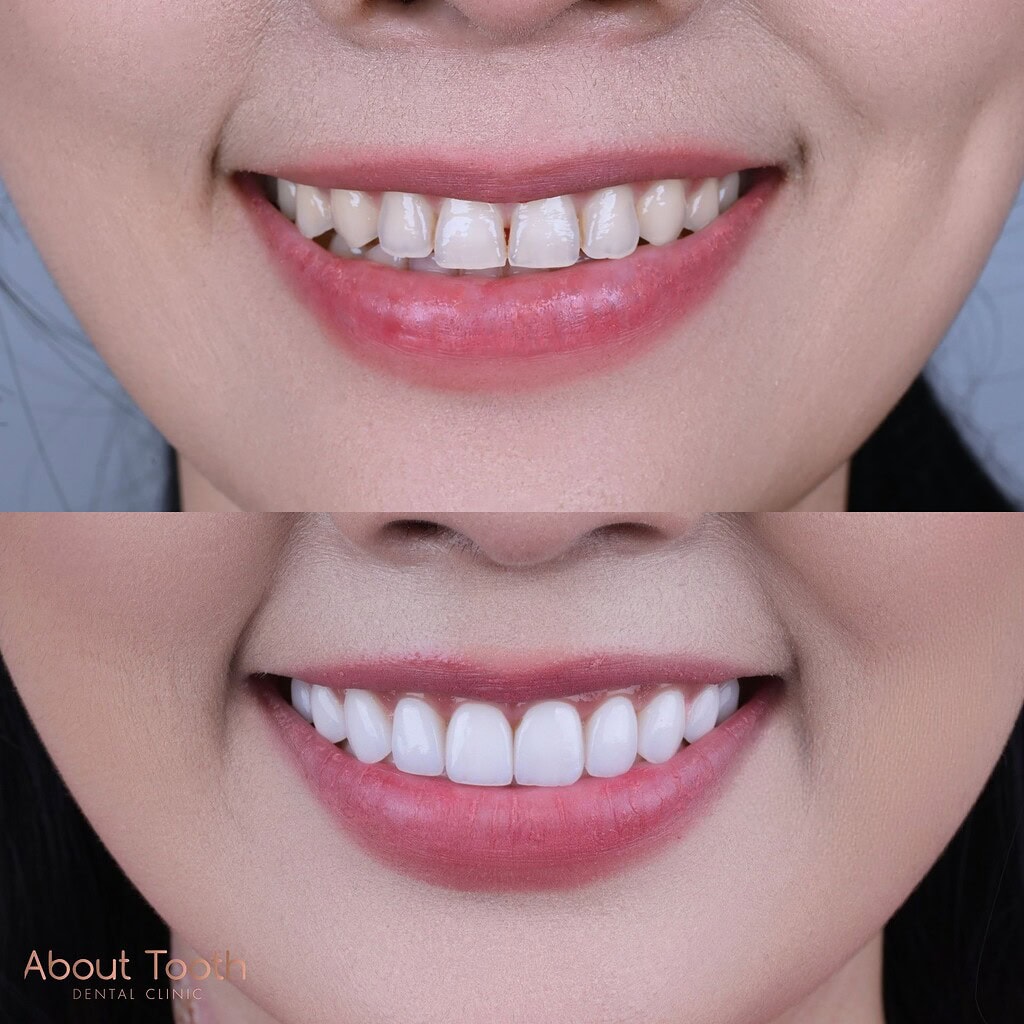
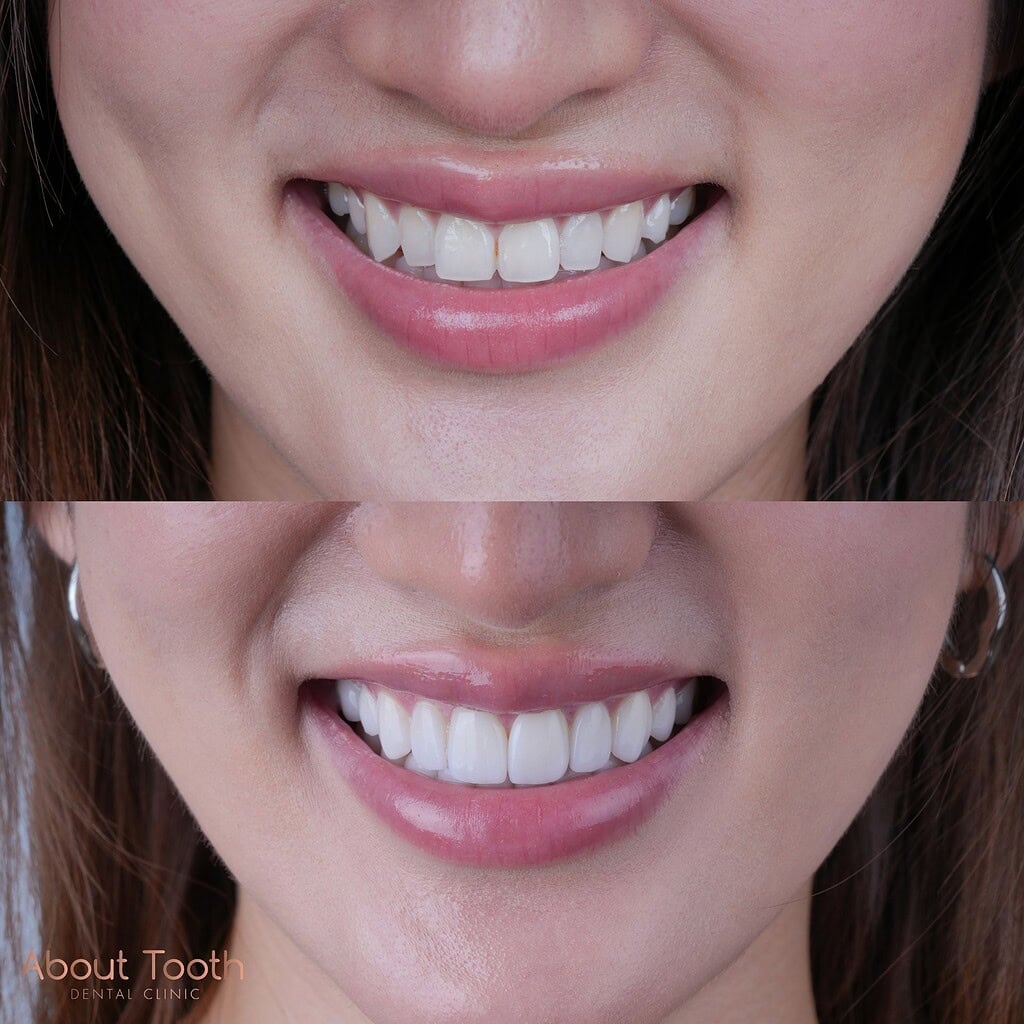
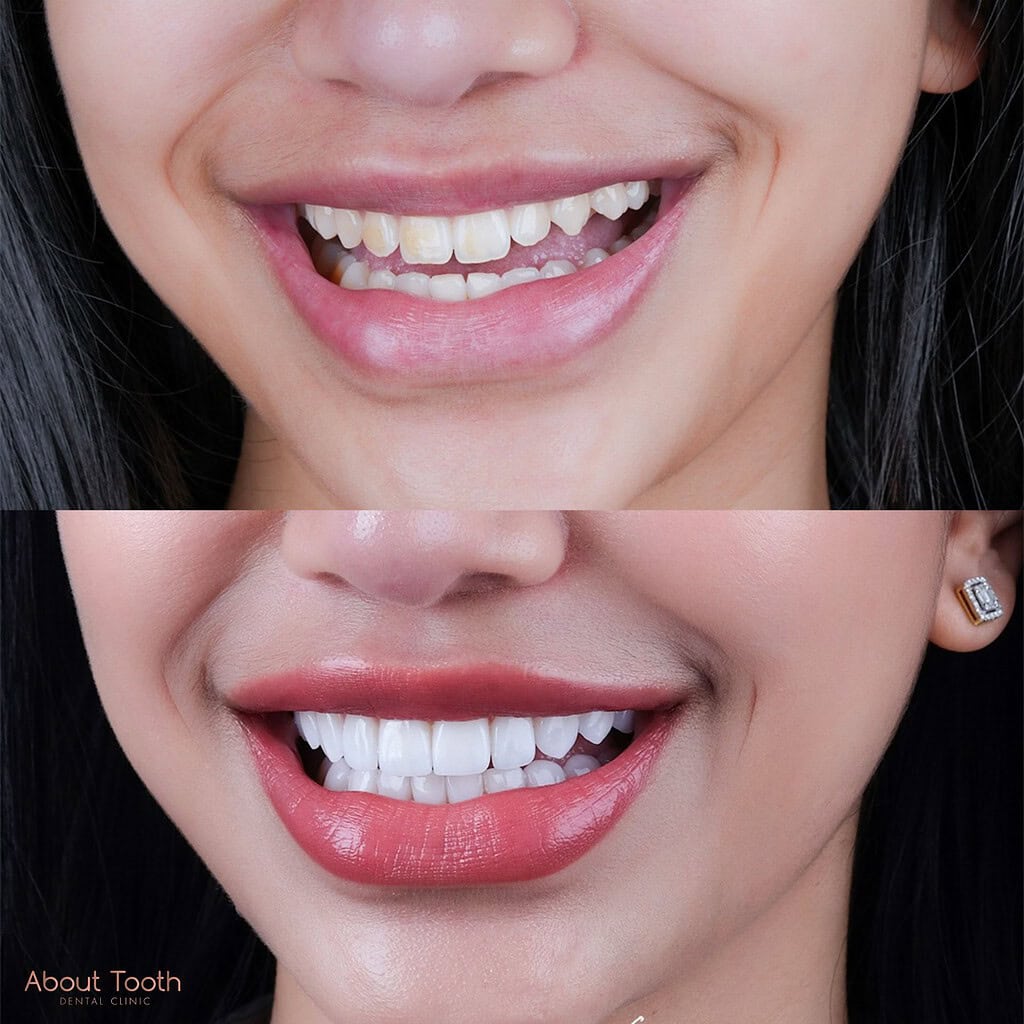
Before-and-after cases can be useful for understanding the clinic’s design approach and the types of cases the dental team has treated.

However, individual results cannot be guaranteed to look the same, because every patient has different teeth, starting conditions, and treatment plans.

Reviews should therefore be considered one source of information when making a decision, rather than a guarantee of treatment results.

 7. How Important Is It to Choose a Dental Clinic Near BTS Siam?

For office workers, students, or anyone who regularly travels by BTS, choosing a dental clinic near BTS Siam can make appointments more convenient and reduce travel time.

Location becomes even more important for treatments that require multiple visits, such as:

  • Orthodontic treatment
  • Invisalign
  • Dental implants
  • Root canal treatment
  • Veneers that involve examination and follow-up appointments
  • Gum disease treatment
  • Follow-up care after dental procedures

Instead of asking only, “Is it easy to get there for my first appointment?”, consider asking, “If I need to come back several times, will this location still be convenient for me?”

For those looking for a dental clinic near BTS Siam, About Tooth Siam Branch is located on the 8th Floor of SIAMSCAPE in the Siam Square area, near BTS Siam.

You can find more information on the About Tooth Siam Branch page.

 7-Point Checklist Before Choosing a Dental Clinic in Siam

Before booking an appointment, go through this checklist one more time:

  1. Does the clinic provide the treatment you need?
  2. Is information about the dental team and your treating dentist clearly available?
  3. Does the clinic follow appropriate hygiene and patient-care standards?
  4. Does it have suitable equipment and technology for your treatment?
  5. Are the treatment plan and costs clearly explained before treatment begins?
  6. Are there relevant reviews or treatment cases that can help you make a decision?
  7. Is the clinic conveniently located for regular follow-up appointments?

Considering all seven points can help you make a more informed decision rather than relying only on price, promotions, or distance.

About Tooth Siam Branch — An Option for Those Looking for a Dental Clinic in Siam

If you are looking for a dental clinic in Siam, you can visit About Tooth Dental Clinic, Siam Branch for a consultation.

The clinic is located on the 8th Floor of SIAMSCAPE, Siam Square, near BTS Siam, and offers a range of dental services, from general dentistry and orthodontics to cosmetic dentistry and dental implants.

Before starting treatment, you can have your oral health examined, discuss the dental concerns you would like to address, and receive an individualized treatment assessment from the dentist.

About Tooth Dental Clinic — Siam Branch

  • 8th Floor, SIAMSCAPE, Siam Square
  • Near BTS Siam
  • Open daily from 10:30 AM to 8:30 PM
  • Tel. 087-555-4665

Choosing a Dental Clinic in Siam Should Be About More Than Just Location

Choosing a dental clinic in Siam should not begin only with questions such as, “Which clinic is closest?” or “Which clinic is the cheapest?”

Instead, consider several factors together, including:

  • The dental services you need
  • The dental team
  • Standards of care
  • Appropriate equipment and technology
  • The treatment plan
  • Treatment costs
  • Reviews
  • Convenience of travel

This is especially important for treatments that last several months or require multiple follow-up appointments. Choosing a conveniently located clinic from the beginning can make it easier to return for scheduled visits throughout the treatment period.

If you are looking for a dental clinic in Siam, you can visit About Tooth Dental Clinic, Siam Branch, on the 8th Floor of SIAMSCAPE for a consultation. A dentist can examine your oral health, discuss your concerns, and recommend a treatment plan based on your individual needs.

You can book an appointment with a dentist for consultation and an oral health assessment at About Tooth Dental Clinic. We are open at both our Siam and Punnawithi branches, conveniently located right next to the BTS stations at each location. For more information or to schedule an appointment in advance, please call 087-555-4665 or 080-481-5555, or add us on LINE Official Account at @abouttooth to chat with our team. 

booking

References

Abouttoothdental. Accessed August 25, 2026. from: https://www.abouttoothdental.com/  

Frequently Asked Questions About Choosing a Dental Clinic in Siam (FAQs)

Q: What should I consider when choosing a dental clinic in Siam?

You should consider the services you need, the dental team, hygiene standards, relevant equipment and technology, clarity of the treatment plan and costs, reviews, and travel convenience. Price should not be the only factor.

Q: What are the benefits of choosing a dental clinic near BTS Siam?

A convenient location can make it easier to return for follow-up appointments, especially for treatments that require ongoing care, such as orthodontics, Invisalign, dental implants, root canal treatment, or other multi-step procedures.

Q: Should I choose a dental clinic based on reviews?

Reviews can be useful as part of your decision-making process, but the star rating alone should not be the deciding factor. Look for reviews related to the treatment you are interested in, read the details of the patient experience, and for cosmetic dentistry, consider reviewing cases with concerns similar to your own.

Q: How can I check whether a dentist is licensed?

You can search the dentist’s first and last name through the Dental Council of Thailand’s dentist search system to check their professional license information.

Q: What should I ask about pricing before starting dental treatment?

Ask what the quoted price includes, such as examination fees, X-rays, materials, additional devices, and follow-up visits. You should also ask how the cost may change if the treatment plan needs to be adjusted.

Q: Is a dental clinic with more technology always better?

Not necessarily. Dental technology should support examination, diagnosis, or treatment planning. What matters most is whether the clinic has equipment that is appropriate for your treatment and whether the dentist can clearly explain how it is used.

Q: If I need braces, should I choose a clinic near my home or workplace?

Choose a location that will be convenient for regular follow-up appointments over the long term, whether that is near your home, workplace, university, or a BTS station you use frequently. Orthodontic treatment usually requires scheduled follow-up visits throughout the treatment period.

Q: Where is About Tooth Siam Branch located?

About Tooth Dental Clinic, Siam Branch is located on the 8th Floor of SIAMSCAPE in the Siam Square area, near BTS Siam.

Q: What are the opening hours of About Tooth Siam Branch?

About Tooth Siam Branch is open daily from 10:30 AM to 8:30 PM. Booking an appointment in advance is recommended so the clinic team can arrange an appropriate time for the service you need.

Q: What services are available at About Tooth Siam Branch?

About Tooth Siam Branch provides a range of dental services, including general dentistry, orthodontics, cosmetic dentistry, and dental implants. If you are not sure which type of treatment you need, you can schedule an examination so a dentist can assess your condition before planning treatment.

Dr. Nisara Tanarerkchai, D.D.S. is a dentist specializing in dental implants, orthodontics, and veneers. She graduated from the Faculty of Dentistry at Thammasat University. With extensive professional experience, she holds multiple certificates in various dental fields, including Advanced General Dentistry, Dental Implants, Advanced Orthodontics, as well as certificates in the Veneer Bootcamp and the Veneer Masterclass. Additionally, she is certified as a Platinum Provider of Invisalign for 2021 and achieved Zenyum Star Tier status in 2023.

Currently, Dr. Thanaruksachai is the founder of About Tooth Dental Clinic, which received the World Class Award 2021 in the category of The Best of International Healthy Business. She is also serves as a member of the Thai Association of Dental Implants (TADI).

Continue ReadingHow to Choose a Dental Clinic in Siam: 7 Things to Check Before You Decide

Best Veneer Shade: How to Choose a Natural-Looking Veneer Color 

The most suitable veneer shade does not necessarily have to be the whitest one. Instead, it should complement your natural tooth color, facial features, tooth shape, and the overall smile style you want to achieve. The final result also depends on more than just the shade code. Factors such as ceramic translucency and thickness, the underlying tooth color, and the material used to bond the veneers can all affect how the final shade appears.

One of the most common questions people ask before getting veneers is, “Which veneer shade should I choose?” Some people want a noticeably brighter, whiter smile, while others worry that choosing a shade that is too white may make their smile look unnatural.

In reality, there is no single veneer shade that is best for everyone. A beautiful smile is not determined by whiteness alone. The ideal shade should be considered together with your natural tooth color, tooth shape, facial features, lips, and the smile style you want to create.

In addition, even when the same shade code is selected, the final result can look different from person to person. This is because the appearance of ceramic veneers is also influenced by translucency, material thickness, the color of the underlying tooth structure, and other factors involved in the veneer treatment process.


Why Is Choosing the Right Veneer Shade Important? Why You Shouldn’t Simply Choose the Whitest Shade

When we look at someone’s smile, we notice more than just how white their teeth are. We also see the shape, size, symmetry, translucency at the edges of the teeth, and how the teeth relate to the overall facial features.

That is why the whitest veneer shade is not always the most attractive choice for everyone.

For some people, a bright white shade may look striking and suit their personality perfectly. For others, a slightly softer white may create a more natural, balanced, and harmonious smile.

Before choosing a veneer shade, it can be helpful to consider the following questions:

  • Do you want your veneers to look naturally white or noticeably bright?
  • How much do you want the new shade to differ from your natural tooth color?
  • Are you getting veneers only on the upper teeth, or designing both the upper and lower smile?
  • Will the teeth that are not receiving veneers match the new shade?
  • How will tooth shape, surface texture, and other details affect how natural the selected shade looks?

Answering these questions before choosing a specific shade code can help create a clearer direction for your overall smile design.

What Veneer Shades Are Available? Understanding 0M1, 0M2, 0M3, and 1M1

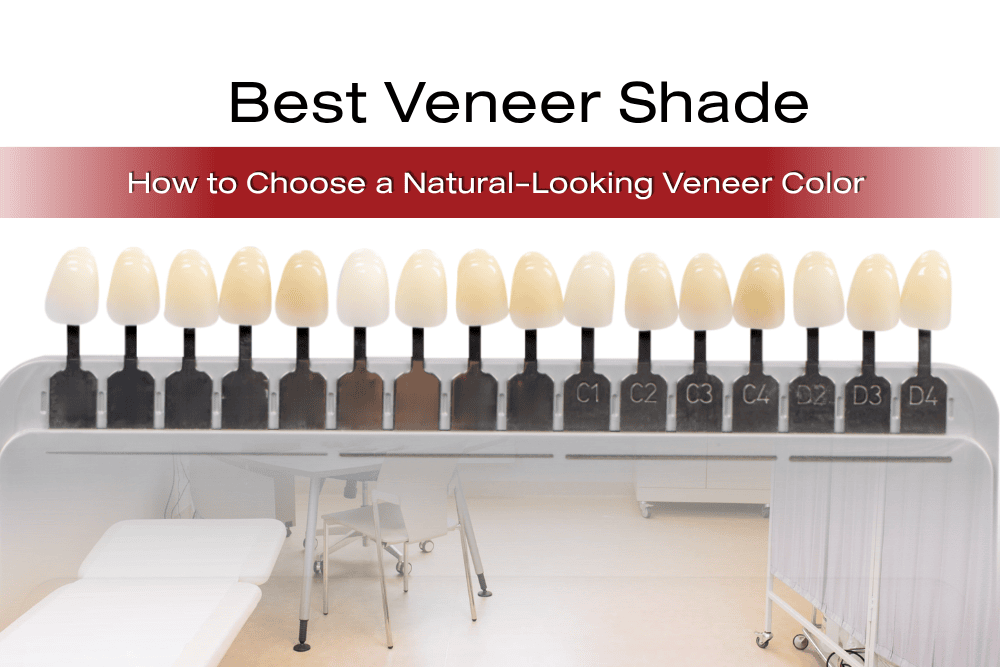
When selecting a tooth color, dentists may use a shade guide to compare different levels of brightness and tooth color.

One system commonly used in dentistry is the VITA SYSTEM 3D-MASTER, which includes both natural tooth shades and bleached shades such as 0M1, 0M2, and 0M3.

If you are choosing a veneer shade, these are some of the shade codes you may frequently come across.


0M1 — A Bright, Noticeably White Smile

0M1 belongs to the bleached shade range and is suitable for people who want a bright white smile with a clearly noticeable change.

However, choosing 0M1 does not automatically mean that the veneers will look overly opaque, artificial, or unnatural. The final appearance also depends on other details, including the translucency, shape, surface texture, and overall design of the ceramic veneers.

om1
om1

 0M2 — Bright White with a Softer Look

0M2 is another shade in the bleached shade range. It is suitable for people who want a bright white smile but prefer a slightly softer, less striking result than the brightest shades.

For this reason, 0M2 is one of the shades that can be compared during the Smile Design process to help determine which level of brightness best suits the individual.


Om2
Om2

0M3 — A Softer White Shade

0M3 is also part of the bleached shade range, but it offers a softer, more subtle white appearance compared with brighter shades.

It can be a good option for people who want a visibly whiter smile while still keeping the overall look soft and natural.

om3
om3

1M1 — A Shade Closer to Natural Tooth Color

1M1 is one of the shades in the VITA 3D-MASTER system and can be a suitable option for people who want a brighter smile while maintaining a more balanced and natural-looking result.

However, the shade code is only one part of the overall smile design. It is best not to make a decision based solely on the shade name or images seen on a screen, as the final appearance can vary depending on the ceramic material, lighting conditions, and the underlying color of each person’s natural teeth.

1m1
1M1

Which Veneer Shade Is Best for a Natural White Smile?

If your goal is to achieve a smile that is “whiter, but still looks like natural teeth,” you do not necessarily need to avoid bleached shades.

What matters more is how the overall smile is designed to create depth and dimension, including:

  • Choosing a brightness level that complements the face
  • Avoiding an overly opaque, flat white appearance
  • Adding natural details around the incisal edges
  • Designing the right level of translucency
  • Avoiding tooth shapes that look too large or too uniform
  • Making sure the shade and tooth shape work together harmoniously

Therefore, “natural” does not necessarily mean choosing a darker shade, and choosing a white shade does not automatically mean the result will look artificial.

H2: How to Choose the Right Veneer Shade for You

Before choosing a veneer shade, a dentist should consider several factors together rather than relying on the shade guide alone.

1. Your Original Tooth Color

The natural color of the underlying teeth plays an important role in veneer planning, especially when the teeth are significantly discolored, non-vital, or vary in color from one tooth to another.

With thin and translucent ceramic veneers, the underlying tooth color may influence the final appearance after treatment.

2. The Color of Teeth That Will Not Receive Veneers

If veneers are being placed only on certain teeth or only on the upper teeth, it is important to consider whether the new veneer shade will blend well with the remaining natural teeth.

In some cases, the dentist may discuss whitening the natural teeth before selecting the final veneer shade to create a more balanced overall smile.

3. Facial Features and Overall Tone

Skin tone, lip color, and overall facial features can be considered as part of the smile design process. However, they should not be treated as strict rules suggesting that a certain skin tone must be paired with a specific veneer shade.

The goal is to find a level of brightness that looks balanced with the whole face while creating the type of smile the patient wants.

4. Personality and Preferred Smile Style

Some people prefer a Natural Smile that looks soft and close to natural teeth, while others prefer a brighter and more noticeable Hollywood Smile.

Neither option is right or wrong. What matters most is communicating your preferences clearly with your dentist before treatment begins.

5. Tooth Shape

The same veneer shade can create a different overall impression depending on the shape of the teeth.

Teeth designed with natural proportions, surface texture, contours, and edge details may help even a bright shade appear dimensional and less artificial.

Does 0M1 Look Too White or Unnatural?

Not necessarily.

One common misconception is that choosing 0M1 will automatically make veneers look artificial.

In reality, whether veneers look natural depends on much more than the shade code alone.

0M1 is one of the bleached shades in the VITA shade system, but the final appearance of ceramic veneers also depends on factors such as:

  • Ceramic translucency
  • Veneer thickness
  • Original tooth color
  • Tooth shape
  • Surface texture
  • Incisal edge details
  • The shade of the bonding material or resin cement

Therefore, 0M1 can create a noticeably bright smile while still maintaining depth and dimension when all of these elements are designed appropriately.

On the other hand, even a darker shade may look less natural if the tooth shape, surface texture, or ceramic appearance is overly opaque and lacks natural detail.

Why Can the Same Veneer Shade Look Different on Different People?

This is an important point to understand before choosing a veneer shade.

The shade code alone does not determine the final color of ceramic veneers.

Research on ceramic veneers has shown that factors such as the underlying tooth color, ceramic thickness, translucency, and the shade of the resin cement can influence the final appearance.

This is particularly important with thin or highly translucent veneers, where the color of the underlying tooth structure may have a greater influence on the final visible result.

That is why choosing a veneer shade based only on someone else’s before-and-after photos cannot guarantee that the same shade will look identical on your own teeth.

Why Veneer Translucency Is Just as Important as Shade

When discussing veneers, many people focus mainly on one question: “Which shade should I choose?”

However, another important factor that helps veneers look more lifelike and similar to natural teeth is translucency.

Natural teeth are not uniformly opaque or white from top to bottom. The incisal edges in particular may show varying levels of translucency and internal detail.

Research has shown that ceramic type, thickness, and translucency can all influence the optical appearance of ceramic restorations.

For this reason, veneer selection should not focus only on:

“Which shade?”

It may also be useful to consider:

“What level of translucency and detail should this shade have to complement my smile?”

Natural Smile vs. Hollywood Smile: What’s the Difference?

There is no single smile style that suits everyone. Veneer design can be customized based on personality and individual preferences.

Style

Overall Look

Natural Smile

A soft, natural-looking white with dimension, translucency, and harmony with the face

Bright Natural

A brighter smile while maintaining details that help the teeth look natural

Hollywood Smile

A noticeably bright, striking, and more prominent white smile

Someone who prefers a Natural Smile does not necessarily have to choose a darker veneer shade. Likewise, choosing a bleached shade does not automatically mean the final result will look like a Hollywood Smile.

The appearance can be adjusted through ceramic translucency, tooth shape, texture, and other design details.

How to Choose a Veneer Shade You Won’t Regret

Before deciding on your final veneer shade, consider these five steps.

1. Tell Your Dentist What Kind of Smile You Want

Instead of saying only, “I want 0M1,” try describing the overall look you want, for example:

  • I want a natural white smile
  • I want a noticeably brighter smile
  • I do not want my veneers to look too opaque
  • I like translucent incisal edges
  • I want a Hollywood Smile

These details can help your dentist understand your expectations more clearly than communicating with a shade code alone.

2. Look at the Actual Shade Guide

Colors displayed on a smartphone screen, Instagram photos, or before-and-after images can vary depending on lighting, camera settings, editing, and screen calibration.

For this reason, digital images should not be used as the only reference when choosing the final veneer shade.

3. Consider the Whole Face

A shade that looks attractive when focusing only on the teeth may create a different impression when viewed together with the lips, skin tone, and overall facial features.

4. Do Not Choose Based Only on Someone Else’s Veneer Shade

Even if two people choose the same shade code, their final results may look different because of differences in natural tooth color, ceramic properties, veneer thickness, and other factors.

5. Choose the Shade Together with Smile Design

Veneer shade selection should ideally be considered together with tooth shape, size, proportions, and overall smile design, as all of these factors influence the final appearance.

How to Choose the Best Veneer Shade for Your Smile

The best veneer shade is not necessarily the whitest one. It should be the shade that best matches the type of smile you want to achieve.

0M1, 0M2, and 0M3 are bleached shades that can create different levels of brightness, while shades closer to natural tooth colors, such as 1M1, can be another option for those who prioritize a balanced and harmonious appearance.

However, the final result should never be judged by the shade code alone. The beauty and natural appearance of ceramic veneers also depend on the underlying tooth color, ceramic thickness and translucency, tooth shape, surface texture, and overall smile design.

If you are still unsure which veneer shade is right for you, you can consult a dentist at About Tooth Dental Clinic to evaluate your natural tooth color, tooth shape, and smile preferences, and to design a veneer shade that best suits your individual needs.

You can book an appointment with a dentist for consultation and an oral health assessment at About Tooth Dental Clinic. We are open at both our Siam and Punnawithi branches, conveniently located right next to the BTS stations at each location. For more information or to schedule an appointment in advance, please call 087-555-4665 or 080-481-5555, or add us on LINE Official Account at @abouttooth to chat with our team. 

booking

References

Abouttooth. Accessed August 24, 2026. from: https://www.abouttoothdental.com/ceramic-veneer-reviews/


Frequently Asked Questions About Choosing Veneer Shades (FAQs)

Q: Which veneer shade should I choose?

There is no single veneer shade that is right for everyone. The best choice should take into account your original tooth color, the teeth that will not receive veneers, tooth shape, facial features, and the overall smile style you want to achieve.

Q: What are 0M1, 0M2, and 0M3?

0M1, 0M2, and 0M3 are bleached shades in the VITA SYSTEM 3D-MASTER. They are used as reference shades to help compare and communicate different levels of tooth brightness.

Q: Is 0M1 too white?

0M1 is a bright shade in the bleached shade range, but whether it looks too white depends on several factors, including facial features, tooth shape, veneer translucency, and the desired smile style. The final appearance cannot be judged by the shade code alone.

Q: Which veneer shade is best for a natural white smile?

There is no fixed shade code for a “natural white” smile because each person has different natural tooth colors and facial characteristics. The level of brightness, translucency, and veneer shape should all be considered together.

Q: Will the veneer shade in photos look the same in real life?

Not necessarily. Lighting, camera settings, photo editing, and screen displays can all affect how a veneer shade appears. Final shade selection should therefore be compared with a physical shade guide and evaluated in the dental clinic.

Q: Can I choose a veneer shade based on my skin tone?

Skin tone can be considered as part of the overall smile assessment, but it should not be used as a strict rule for choosing a veneer shade. Your original tooth color, facial features, lips, and personal preferences should also be considered.

Q: What is the difference between veneer shade and translucency?

Veneer shade refers to the brightness and color tone of the teeth, while translucency describes how light passes through the ceramic material. Both factors work together and can significantly affect the depth and natural appearance of the final smile.

Q: Why can the same veneer shade look different on two people?

The final color can be influenced by several factors, including the original tooth color, veneer thickness, ceramic translucency, the shade of the bonding material, tooth shape, and lighting conditions.

Q: How should I choose a veneer shade if I am only getting veneers on my upper teeth?

The color of the lower teeth and any natural teeth that will not receive veneers should also be considered so that the overall smile looks balanced. If you want the natural teeth to appear whiter, your dentist may evaluate whether teeth whitening should be performed before selecting the final veneer shade.

Q: Can I whiten my teeth before getting veneers?

Yes, teeth whitening may be appropriate in some cases, especially when natural teeth will remain visible and you want their color to blend more closely with the veneers. Your dentist should plan the treatment sequence and determine the appropriate timing for final shade selection.

Q: Can the color of ceramic veneers be affected by the original tooth color?

Yes. The original tooth color can influence the final appearance, particularly when the veneers are thin or highly translucent. Teeth with significant discoloration may therefore require different planning for ceramic type, thickness, and translucency compared with teeth that have a more typical underlying color.

Dr. Nisara Tanarerkchai, D.D.S. is a dentist specializing in dental implants, orthodontics, and veneers. She graduated from the Faculty of Dentistry at Thammasat University. With extensive professional experience, she holds multiple certificates in various dental fields, including Advanced General Dentistry, Dental Implants, Advanced Orthodontics, as well as certificates in the Veneer Bootcamp and the Veneer Masterclass. Additionally, she is certified as a Platinum Provider of Invisalign for 2021 and achieved Zenyum Star Tier status in 2023.

Currently, Dr. Thanaruksachai is the founder of About Tooth Dental Clinic, which received the World Class Award 2021 in the category of The Best of International Healthy Business. She is also serves as a member of the Thai Association of Dental Implants (TADI).

Continue ReadingBest Veneer Shade: How to Choose a Natural-Looking Veneer Color 

What Is Tooth Erosion? Treatment and Prevention Tips

Tooth erosion is the permanent loss of enamel caused mainly by repeated exposure to acids from foods, drinks, acid reflux, or vomiting. Other habits, including aggressive brushing and teeth grinding, can also contribute to tooth wear through different processes. Early assessment can help control sensitivity, prevent further damage, and determine whether treatments such as bonding, crowns, root canal treatment, or veneers are appropriate. 

What Is Tooth Erosion?

Tooth erosion is an oral health problem that may be overlooked, but if it continues without appropriate care, it can affect how the teeth look and function.

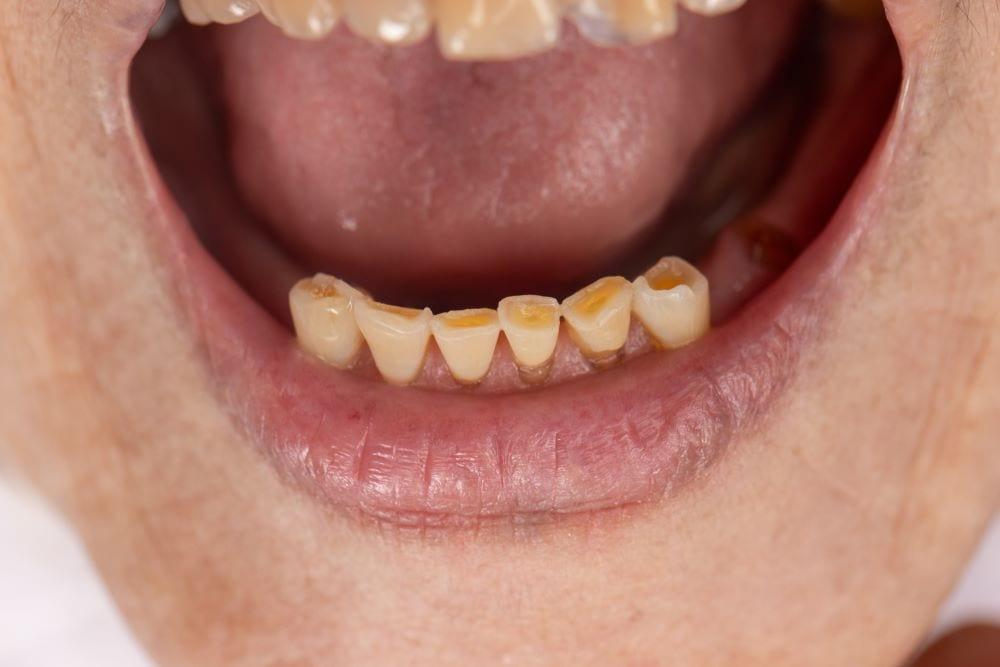
In clinical dentistry, tooth erosion refers to the gradual and irreversible loss of enamel caused by repeated exposure to acids that are not produced directly by decay-causing bacteria. The tooth surface may gradually become smoother, thinner, flattened, or hollowed in certain areas. As more enamel is lost, the underlying dentin may become exposed, making the teeth appear more yellow and feel increasingly sensitive.

Tooth wear can also be caused by mechanical forces, including aggressive brushing, chewing habits, or tooth-to-tooth contact from grinding. These forms of wear may occur alongside acid erosion and make the damage progress more quickly.

What Causes Tooth Erosion and Tooth Wear?

Aggressive Toothbrushing

Brushing with excessive pressure or using a hard-bristled toothbrush may contribute to abrasion, particularly around the gum line and exposed tooth roots.

Normal brushing with a soft-bristled toothbrush and fluoride toothpaste is unlikely to cause significant enamel wear. However, brushing aggressively especially when the enamel has recently been softened by acidic food or drinks may increase surface damage.

Acidic Foods and Drinks

Frequent consumption of acidic foods and drinks can soften and gradually wear away tooth enamel.

Common examples include:

  • Soft drinks and sparkling drinks
  • Sports and energy drinks
  • Citrus fruits and fruit juices
  • Sour sweets
  • Vinegar and pickled foods
  • Highly acidic sauces and beverages

Even sugar-free carbonated drinks may be acidic. The frequency and duration of acid exposure can be as important as the amount consumed, especially when acidic drinks are sipped repeatedly throughout the day or held in the mouth.

Teeth Grinding and Clenching

Teeth grinding or clenching places repeated pressure on the teeth. This tooth-to-tooth wear is known as attrition and may cause the biting surfaces to become flatter, shorter, cracked, or chipped.

Grinding may occur during sleep or during periods of stress. When it occurs together with acid-softened enamel, the teeth may wear down more quickly.

Bite Problems

An uneven bite may place excessive force on particular teeth. Over time, these areas may show more wear, chipping, cracks, or sensitivity than the surrounding teeth.

The dentist may assess the bite, tooth position, jaw movement, and signs of grinding to determine whether excessive force is contributing to the problem.

Acid Reflux and Recurrent Vomiting

Acid does not only come from food and drinks. Stomach acid may enter the mouth because of gastroesophageal reflux disease, recurrent vomiting, certain eating disorders, chronic alcohol use, or severe vomiting during pregnancy.

Repeated exposure to stomach acid can damage the inner surfaces and chewing surfaces of the teeth. In some patients, a dentist may notice the pattern of erosion before the patient realizes that reflux is occurring.

Signs and Symptoms of Tooth Erosion

Early tooth erosion may not cause obvious symptoms. As the damage progresses, patients may notice:

  • Sensitivity to hot, cold, sweet, or acidic foods
  • Teeth appearing more yellow as dentin becomes visible
  • Smooth, shiny, or “melted-looking” tooth surfaces
  • Flattened biting surfaces
  • Small hollows or cupped areas on the teeth
  • Chipped or thinning tooth edges
  • Teeth appearing shorter
  • Changes around existing fillings
  • Pain or bite discomfort in more advanced cases

Because lost enamel does not grow back, early detection is important for preventing further damage.

How Is Tooth Erosion Treated?

Treatment depends on the cause, severity, symptoms, position of the affected teeth, and how much healthy tooth structure remains.

The first step is to identify and control the underlying cause. This may involve changing dietary habits, managing acid reflux, improving brushing technique, or using a night guard for grinding. Restorative treatment may then be considered when needed to protect the teeth and restore their appearance or function.

1. Mild Tooth Wear and Sensitivity

When the enamel loss is limited and sensitivity is mild, complex restorative treatment may not be necessary.

The dentist may recommend:

  • Avoiding or reducing acidic foods and drinks
  • Changing an aggressive brushing technique
  • Using a soft-bristled toothbrush
  • Using fluoride or desensitizing toothpaste
  • Applying professional fluoride products when appropriate
  • Monitoring the teeth at follow-up appointments
  • Wearing a night guard if grinding is present

The goal is to reduce sensitivity and prevent the wear from progressing.

2. Moderate Tooth Wear

When the enamel loss is more noticeable, the teeth may become sensitive, develop small defects, or begin to change in shape.

The dentist may restore the worn area with a tooth-colored material, such as composite resin, to cover exposed dentin, improve the tooth shape, and protect the area from additional wear.

The most suitable material and treatment method depend on the location of the damage, the patient’s bite, and the remaining tooth structure.

 3. Severe Wear Reaching the Dental Pulp

If the tooth has worn down deeply and the pulp or nerve becomes inflamed or infected, the patient may experience severe or persistent pain.

Root canal treatment may be required to remove the damaged pulp and preserve the tooth. A dental crown may then be recommended to protect the remaining tooth structure and restore strength and function.

In advanced cases, treatment may involve fillings, crowns, root canal treatment, veneers, or occasionally extraction, depending on the condition of each tooth.

Tooth-Erosion

How to Prevent Tooth Erosion

Choose an Appropriate Toothbrush

Use a soft-bristled toothbrush and avoid applying excessive pressure while brushing.

Ask a dentist or dental hygienist to demonstrate a suitable brushing technique if you notice wear around the gum line.

Use Fluoride Toothpaste

Fluoride toothpaste may help strengthen the tooth surface and support remineralization.

Patients at higher risk may require additional fluoride treatment or products recommended by their dentist.

Reduce Acid Exposure

Limit acidic food and drinks, particularly between meals.

When consuming an acidic drink:

  • Avoid sipping it repeatedly over a long period
  • Do not swish or hold it around the teeth
  • Use a straw positioned toward the back of the mouth when appropriate
  • Drink water or rinse with water afterward
  • Consume acidic foods as part of a meal rather than alone

These habits can help reduce the length and frequency of acid exposure.

Do Not Brush Immediately After Acid Exposure

Acid temporarily softens the enamel surface. Rinse with water first and allow saliva time to neutralize the acid before brushing.

ADA patient guidance recommends waiting approximately one hour after acidic food or drinks before brushing.

Manage Acid Reflux or Recurrent Vomiting

Patients with frequent heartburn, acid regurgitation, sour taste, recurrent vomiting, or unexplained enamel erosion should discuss these symptoms with a dentist and doctor.

Managing the source of stomach acid is important because dental restoration alone will not prevent the problem from returning.

Manage Teeth Grinding

A custom night guard may help protect teeth from grinding-related wear in suitable patients.

The dentist may also assess the bite, jaw muscles, tooth position, and existing restorations before recommending treatment.

Attend Regular Dental Examinations

Regular examinations help the dentist compare changes in tooth shape, enamel texture, sensitivity, and bite over time.

The appropriate recall interval should be based on each patient’s risk and oral health condition.

Restoring Worn Teeth with Veneers

When wear affects the visible front teeth, veneers may be considered to improve tooth shape, proportions, color, and the overall appearance of the smile.

A veneer is a thin restoration bonded to the front surface of a tooth. Depending on the case, it may help cover worn or uneven edges and restore a more balanced smile. Veneers are among the restorative options that may be considered after enamel erosion has occurred.

However, veneers are not suitable for every worn tooth. Before treatment, the dentist should assess:

  • The cause of the tooth wear
  • The amount of enamel remaining
  • The severity of grinding or clenching
  • The patient’s bite
  • Tooth sensitivity or cracks
  • Whether the wear is still progressing

The underlying cause should be controlled before or alongside veneer treatment. Patients with grinding may also require a protective night guard after treatment.

When Should You See a Dentist?

Arrange a dental examination if you notice:

  • Increasing tooth sensitivity
  • Teeth becoming shorter or flatter
  • Yellow areas becoming more visible
  • Chipped or thinning tooth edges
  • Pain when chewing
  • Cracks or changes around fillings
  • Frequent acid reflux or vomiting
  • Signs of teeth grinding
  • Rapid changes in the shape of the teeth

Early assessment can help reduce further tooth loss and may allow more conservative treatment.

If you are concerned about tooth erosion, worn teeth, sensitivity, or changes in tooth shape, you can schedule a consultation at About Tooth Dental Clinic. Our dentists can assess the cause and severity of the tooth wear and recommend an appropriate treatment plan. Depending on the condition, treatment may include preventive care, composite restorations, crowns, root canal treatment, a protective night guard, or veneers.

You can book an appointment with a dentist for consultation and an oral health assessment at About Tooth Dental Clinic. We are open at both our Siam and Punnawithi branches, conveniently located right next to the BTS stations at each location. For more information or to schedule an appointment in advance, please call 087-555-4665 or 080-481-5555, or add us on LINE Official Account at @abouttooth to chat with our team. 

booking

References

Dental Erosion. Accessed July 22, 2026. from: https://www.ada.org/resources/ada-library/oral-health-topics/dental-erosion/

Frequently Asked Questions About Tooth Erosion (FAQs)

Q: Can Tooth Enamel Grow Back After Erosion?

No. Once enamel and tooth structure have been physically lost, they do not grow back naturally.

However, early enamel softening may be managed by reducing acid exposure, improving oral care, and using fluoride products as recommended by the dentist. Restorative treatment may be needed when a significant amount of tooth structure has already been lost.

Q: Can Brushing Too Hard Cause Tooth Erosion?

Aggressive brushing does not cause acid erosion, but it may cause abrasion, particularly around the gum line or on tooth roots.

Using a soft-bristled toothbrush and gentle pressure can help reduce this type of wear.

Q: Can Soft Drinks Cause Tooth Erosion?

Yes. Many soft drinks, sports drinks, sparkling beverages, and fruit-flavored drinks contain acids that can soften and wear away enamel.

Sugar-free drinks may also be acidic, so they are not automatically safe from an erosion perspective.

Q: Can Teeth Grinding Cause Worn Teeth?

Yes. Grinding and clenching cause attrition, which is tooth wear produced by repeated tooth-to-tooth contact.

The teeth may become flatter, shorter, chipped, or cracked. A dentist may recommend a protective night guard in suitable cases.

Q: Can Veneers Repair Worn Teeth?

Veneers may improve the appearance and shape of selected worn front teeth.

The dentist must first assess the remaining enamel, bite, severity of wear, and whether grinding or acid exposure is still active. Other treatments, including composite bonding or crowns, may be more suitable in some cases.

Q: When Does Tooth Erosion Require Root Canal Treatment?

Root canal treatment may be required when severe tooth wear reaches or damages the dental pulp, causing persistent pain, inflammation, or infection.

Dr. Nisara Tanarerkchai, D.D.S. is a dentist specializing in dental implants, orthodontics, and veneers. She graduated from the Faculty of Dentistry at Thammasat University. With extensive professional experience, she holds multiple certificates in various dental fields, including Advanced General Dentistry, Dental Implants, Advanced Orthodontics, as well as certificates in the Veneer Bootcamp and the Veneer Masterclass. Additionally, she is certified as a Platinum Provider of Invisalign for 2021 and achieved Zenyum Star Tier status in 2023.

Currently, Dr. Thanaruksachai is the founder of About Tooth Dental Clinic, which received the World Class Award 2021 in the category of The Best of International Healthy Business. She is also serves as a member of the Thai Association of Dental Implants (TADI).

Continue ReadingWhat Is Tooth Erosion? Treatment and Prevention Tips

Pink Gum Laser Treatment: Transform Dark Gums into a Naturally Pink Smile 

Pink gum laser treatment uses controlled laser energy on the superficial layer of the gums to reduce excess melanin pigmentation. This can gradually lighten dark or discoloured gums, creating a more natural-looking pink tone.

The treatment may be suitable for people who feel self-conscious about dark gums when smiling, especially those with a gummy smile or those who want their gum colour to complement brighter teeth. Several studies suggest that laser gum depigmentation can effectively reduce pigmentation with minimal bleeding, relatively low discomfort, and high patient satisfaction with the aesthetic results.

What Is Pink Gum Laser Treatment?

Pink gum laser treatment, also known as laser gum depigmentation or laser gum bleaching, is a cosmetic dental procedure that uses controlled laser energy on the superficial layers of the gums. The laser precisely removes cells containing excess melanin pigment. As the treated gum tissue heals, the gums generally appear lighter and more pink than before treatment.

Dark gums caused by excess melanin are medically known as gingival hyperpigmentation. This condition is usually harmless and is not considered a disease. However, some people may feel less confident when smiling, particularly if they have a gummy smile or are planning cosmetic dental treatments such as veneers or crowns and want their gum colour to complement their brighter teeth.

Pink gum laser treatment is considered a cosmetic dentistry procedure. It is not intended to treat gingivitis or periodontal disease directly, but it may significantly improve the overall appearance and balance of the smile.

What Causes Dark or Discoloured Gums?

Healthy gums can naturally vary in colour. While many people have coral-pink gums, others may have light brown, dark brown, or very dark gum tissue.

In many cases, dark gums are caused by a higher concentration of melanin in the gum tissue.

Common Causes of Dark or Discoloured Gums

Genetics and Natural Skin Tone

  • People with naturally darker skin tones or higher melanin levels may be more likely to have gingival hyperpigmentation. This is known as physiological pigmentation and is not considered a disease.

Smoking

  • Substances found in cigarettes, including nicotine, can stimulate pigment-producing cells to produce more melanin. This may cause a condition known as smoker’s melanosis, which is commonly seen around the front gums.

Certain Medications

  • Some medications, including certain antimalarial drugs, antibiotics, and hormonal medications, may cause changes in the colour of the oral tissues, including the gums.

Chronic Gum Inflammation

  • Long-term gum inflammation caused by plaque and tartar may stimulate pigment activity, making the gums appear darker or uneven in certain areas.

When dark gums are caused by melanin pigmentation and the patient is concerned about their appearance, laser gum depigmentation may be considered after an examination by a dentist.

How Does Pink Gum Laser Treatment Work?

Pink gum laser treatment works by directing laser energy at the superficial gum tissue where excess melanin has accumulated.

The laser carefully removes the pigmented tissue layer by layer through a controlled process known as vaporisation or ablation. At the same time, the laser helps seal small blood vessels through coagulation. This reduces bleeding and often keeps the treatment area cleaner than traditional surgical methods using a scalpel.

As the gums heal, new tissue forms and generally appears lighter, more even, and more pink than before treatment. This can make the gum line look brighter and more balanced when smiling.

The number of sessions required depends on the depth, intensity, and size of the pigmented area. Many patients may notice a significant improvement after one or two sessions.

Is Pink Gum Laser Treatment Safe and Painful?

Clinical studies and reports suggest that several types of dental lasers, including diode, Er:YAG, and Er,Cr:YSGG lasers, can provide effective results with an acceptable level of safety when the procedure is performed by a properly trained dentist.

Discomfort During and After Treatment

  • Laser gum depigmentation is usually performed under local anaesthesia. Most patients therefore experience warmth or a mild stinging sensation rather than significant pain during the procedure.
  • Several comparative studies report that laser treatment may cause less bleeding and lower levels of discomfort during the first 24 hours than techniques using a scalpel or electrosurgery.
  • Although overall healing may be similar after approximately one week, many patients find the initial recovery period more comfortable with laser treatment.
  • Some tightness, tenderness, or a mild burning sensation may occur during the first one or two days. These symptoms can usually be managed with pain medication as recommended by the dentist.

How Long Do the Results Last?

  • Research and clinical reviews suggest that laser gum depigmentation can provide good short- to medium-term results, lasting from several months to several years.
  • However, the gums may gradually become darker again. This is known as repigmentation, and the likelihood varies between individuals.
  • Both diode and erbium lasers have been shown to significantly reduce gum pigmentation and provide satisfactory aesthetic results. Some studies suggest that diode lasers may produce more noticeable pigment reduction or slower repigmentation in certain groups, although both systems are considered effective.

Factors That May Increase the Risk of Repigmentation

  • Genetic factors or naturally high melanin levels
  • Continued smoking or tobacco use
  • Chronic gum inflammation
  • Poor oral hygiene
  • Deep or widespread gum pigmentation

Patients with extensive or deeply pigmented gums may require more than one session. Additional treatment may also be recommended in the future if partial repigmentation occurs.

Who Is Pink Gum Laser Treatment Suitable For?

Pink gum laser treatment may be suitable for people who are concerned about the colour of their gums and want their gum tone to appear brighter and more balanced with their teeth.

Patients Who May Be Suitable for Laser Gum Depigmentation

  • People with dark gums caused by melanin pigmentation
  • People with a gummy smile, making the gum colour more noticeable
  • Patients planning cosmetic dental treatment, such as veneers, crowns, or orthodontic treatment
  • People who want their gum colour to complement brighter teeth
  • Former smokers who want to improve gum discolouration after stopping smoking

Patients should have their oral health examined before treatment. Gum disease, tartar, and active inflammation should be treated first because laser gum depigmentation is intended to improve gum colour, not to treat periodontal disease.

Pink Gum Laser Treatment Procedure

The exact procedure may vary depending on the laser system and the individual treatment plan. However, the main steps are generally as follows.

1. Gum Examination and Pigmentation Assessment

The dentist examines the gums, assesses the level and distribution of pigmentation, and takes photographs before treatment. A pigmentation scale may also be used to monitor the results.

2. Gum Preparation and Local Anaesthesia

A topical or local anaesthetic is applied to the treatment area to help the patient remain comfortable throughout the procedure.

3. Laser Treatment

The dentist uses a small laser tip to treat the superficial gum tissue in sections. The laser settings are adjusted according to the intensity and depth of the pigmentation.

The treated tissue is gently removed at intervals until the desired base gum colour is achieved.

4. Formation of a Thin Protective Layer

The laser helps seal small blood vessels, so there is usually minimal bleeding. A thin layer or light scab may form over the treated area as it begins to heal.

5. Follow-Up Appointment

The dentist arranges a follow-up appointment to monitor healing and compare the results with the pre-treatment photographs.

If the original pigmentation was deep or covered a large area, an additional session may be recommended to refine the results.

Before and Aftercare Instructions

Before Treatment

  • Have a complete oral examination.
  • Remove tartar and plaque before treatment.
  • Treat active gum inflammation or tooth decay.
  • Reduce or stop smoking to support healing and minimise the risk of repigmentation.
  • Inform the dentist about any medical conditions and medications.

After Treatment

  • Mild tightness, tenderness, or stinging may occur during the first one or two days.
  • Take pain medication only as directed by the dentist.
  • Avoid very spicy, acidic, or hot foods while the gums are healing.
  • Brush gently around the treated area.
  • Continue flossing carefully as advised by the dentist.
  • Use an alcohol-free mouthwash or the mouthwash recommended by the dentist.
  • Attend all scheduled follow-up appointments.

Laser Gum Depigmentation vs Other Treatments

Several methods can be used to reduce dark gum pigmentation, including scalpel surgery, bur abrasion, electrosurgery,

cryotherapy, and laser treatment. Each method has its own advantages and limitations.

Treatment

Main Advantages

Considerations and Limitations

Laser treatment, such as diode or Er:YAG

Minimal bleeding, clean treatment area, no stitches in many cases, relatively short recovery, lower reported discomfort, and good aesthetic results

Higher equipment costs, requires an experienced dentist, and may cause temporary warmth or stinging

Scalpel surgery or bur abrasion

Traditional method, widely available, and can provide good colour improvement when performed correctly

More bleeding, may require sutures, and some patients experience greater discomfort during recovery

Electrosurgery or cryotherapy

Can effectively reduce pigmentation and provide good aesthetic results

May cause more discomfort in some patients, and controlling treatment depth may be more difficult than with certain laser systems

The most suitable method depends on the cause and depth of the pigmentation, the area being treated, the equipment available, and the dentist’s assessment.

Pink Gum Laser Treatment Cost

The cost of pink gum laser treatment varies according to the treatment area and the complexity of each case.

Factors That Affect the Cost

Number of Teeth or Areas Treated

The price may differ depending on whether treatment is performed only on the visible upper front gums, the entire upper or lower arch, or both arches.

Intensity and Depth of Pigmentation

Deep or widespread pigmentation may require more treatment time, different laser settings, or multiple sessions.

Type of Laser

Different laser systems, such as diode, Er:YAG, and Er,Cr:YSGG lasers, have different operating costs and clinical properties.

Dentist’s Experience and Clinic Facilities

Clinics specialising in aesthetic dentistry or using advanced digital planning systems may have a different pricing structure from general dental clinics.

A dental consultation is recommended to determine the appropriate treatment area, number of sessions, and estimated cost.

Want to Transform Dark Gums into a Natural Pink Tone? Consult About Tooth Dark or discoloured gums may not directly affect oral health, but they can have a significant impact on confidence when smiling. For anyone looking to make their gums appear pinker, healthier, and more balanced with brighter teeth, pink gum laser treatment may be a suitable option. You can send photos of your smile and gums to the dental team at About Tooth Dental Clinic for an initial assessment. Consultations are available at both our Siam branch, located on the 8th floor of SIAMSCAPE, and our Punnawithi branch, located on the 2nd floor of True Digital Park near BTS Punnawithi.Our dentists will assess your gum condition and create a treatment plan tailored to your smile.

References:

  1. Comparative Evaluation of Gingival Depigmentation by Scalpel, Electrosurgery, and Laser: A 14-Month Follow-up Study. Accessed June 22, 2026. from: https://pubmed.ncbi.nlm.nih.gov/33686040/

Book a consultation

Frequently Asked Questions About Pink Gum Laser Treatment (FAQs)

Q: Does Pink Gum Laser Treatment Hurt?

Local anaesthesia is used during treatment. Most patients report feeling warmth or mild stinging rather than significant pain.

Several comparative studies have found that laser treatment may cause less discomfort during the first 24 hours than scalpel surgery or electrosurgery. Mild tightness or tenderness may occur for one or two days after treatment.

Q: Can Dark Gums Return After Laser Treatment?

Repigmentation is possible, particularly in people with naturally high melanin levels or those who continue to smoke.

However, several studies report relatively low repigmentation rates during follow-up periods ranging from several months to several years. When pigmentation returns, it may be less intense than before treatment. An additional session may be recommended in some cases.

Q: Can Pink Gum Laser Treatment Treat Gum Disease?

No. Pink gum laser treatment is a cosmetic procedure intended to improve gum colour. It does not directly treat gingivitis or periodontal disease.

Active gum disease, inflammation, or tartar should be treated before undergoing laser gum depigmentation.

Q: Do I Need to Take Time Off Work?

Most patients can return to their normal daily activities after treatment.

Mild tightness or stinging may occur, so very hot, spicy, or acidic foods should be avoided during the first one or two days. Patients should carefully follow their dentist’s aftercare instructions.


Dr. Papatsara Veerapol, D.D.S. is a dentist specializing in orthodontics, dental implants, and prosthodontics (veneers, dentures). She graduated with honors (Second Class) from the Faculty of Dentistry at Chulalongkorn University. She later earned a Master’s degree in Prosthodontics from Srinakharinwirot University. With extensive work experience, she holds an Advanced General Dentistry Certificate and is certified as a Platinum Provider of Invisalign for 2021 and achieved Zenyum Star Tier status in 2023.

Currently, she is the founder of About Tooth Dental Clinic, which was honored with the World Class Award 2021 in the category of The Best of International Healthy Business. She also serves as a member of the Thai Association of Dental Implants (TADI) and the Thai Prosthodontics Association.

Continue ReadingPink Gum Laser Treatment: Transform Dark Gums into a Naturally Pink Smile 

What Is Sour-Tasting Saliva?

Bad-smelling saliva commonly occurs in the morning because saliva production decreases during sleep, allowing bacteria to accumulate and produce unpleasant-smelling compounds. Poor oral hygiene, dry mouth, certain foods, tooth decay, gum disease, acid reflux, and sinus problems may also contribute. Regular oral care and dental check-ups can help identify and address the underlying cause.

What Is Bad-Smelling Saliva?

“Bad-smelling saliva” refers to saliva with an unpleasant odour, particularly in the morning after waking up. It is commonly caused by bacteria accumulating in the mouth while we sleep.

These bacteria break down food debris and release unpleasant-smelling sulfur compounds, resulting in bad breath and foul-smelling saliva.

Although this problem is common, leaving the underlying cause untreated may contribute to more serious oral health problems, such as gum disease and tooth decay. In some cases, it may also be associated with digestive or other health conditions.

Causes of Bad-Smelling Saliva

 1. Poor Oral Hygiene

Inadequate Brushing and Flossing

Not brushing thoroughly or neglecting to floss allows food debris and plaque to accumulate in the mouth. These deposits provide a food source for bacteria.

Not Cleaning the Tongue

The tongue can hold a large amount of bacteria. Without regular cleaning, bacteria and food debris may build up on its surface and cause an unpleasant smell.

2. Dry Mouth

Sleeping with Your Mouth Open

Sleeping with the mouth open can reduce moisture inside the mouth. When saliva levels decrease, bacteria can multiply more easily.

Not Drinking Enough Water

Saliva helps wash away food debris and reduce bacterial buildup. Dehydration can reduce saliva production and contribute to an unpleasant smell or taste in the mouth.

3. Foods Eaten Before Bed

Strong-smelling foods, such as garlic, onions, and certain spices, can cause bad breath even after brushing.

Dairy products, including milk, yoghurt, and cheese, may also create a distinctive smell in the mouth when their proteins are broken down by bacteria.

4. Health Problems

Tooth Decay and Gum Disease

Tooth decay, gingivitis, and periodontal disease can create areas where bacteria and food debris collect, producing an unpleasant smell.

Gastroesophageal Reflux Disease

Stomach acid that travels back towards the throat and mouth, particularly at night, may cause a sour taste or unpleasant breath.

Sinusitis

An infection or inflammation in the sinuses may cause mucus to drain into the throat and contribute to an unpleasant smell or taste in the mouth.

Bad-Smelling Saliva


How to Treat and Prevent Bad-Smelling Saliva

1. Maintain Good Oral Hygiene

Brush Properly

Use fluoride toothpaste and brush at least twice a day, especially before going to bed.

Use Dental Floss

Flossing helps remove plaque and food particles from between the teeth, where a toothbrush may not reach effectively.

Clean Your Tongue

Use a toothbrush or tongue scraper to gently remove bacteria and coating from the tongue’s surface.

2. Drink Enough Water

Drink enough water throughout the day to support saliva production and reduce dry mouth.

Limiting excessive alcohol and caffeinated drinks may also help, particularly for people who frequently experience dry mouth.

3. Adjust Eating Habits

Avoid strongly scented foods before bedtime, such as garlic, onions, and certain spices.

Foods such as leafy vegetables, apples, and unsweetened yoghurt may help support oral cleanliness as part of a balanced diet.

4. Use Additional Oral Care Products

Alcohol-Free Mouthwash

Choose an alcohol-free mouthwash, especially if you experience dry mouth, as products containing alcohol may increase dryness in some people.

Sugar-Free Chewing Gum

Chewing sugar-free gum can stimulate saliva production and help wash away food debris and bacteria.

5. Visit the Dentist Regularly

Attend a dental examination approximately every six months or at intervals recommended by your dentist.

Regular check-ups allow problems such as tooth decay, gum inflammation, and tartar buildup to be detected and treated at an early stage.

Can Bad-Smelling Saliva Be a Sign of a Serious Condition?

Most cases are associated with oral hygiene, dry mouth, diet, or common dental problems. However, unusual breath odours accompanied by other symptoms may require medical attention.

 Diabetes

A fruity or acetone-like smell on the breath may occur when ketone levels are abnormally high. Anyone with this smell together with excessive thirst, frequent urination, nausea, confusion, or breathing difficulties should seek urgent medical care.

Chronic Kidney Disease

An ammonia-like or urine-like smell on the breath may occasionally be associated with advanced kidney problems, particularly when other symptoms are present.

 Serious Digestive Conditions

Persistent bad breath alone does not confirm cancer or another serious digestive condition. However, medical assessment is recommended if it occurs together with warning signs such as unexplained weight loss, difficulty swallowing, persistent abdominal symptoms, vomiting, or unusual fatigue.

Consult About Tooth Dental Clinic If you are experiencing bad-smelling saliva or are concerned that you may have an oral health problem, you can consult the dental team at About Tooth Dental Clinic. We provide dental examinations, professional scaling, tooth decay treatment, gum care, and other comprehensive dental services. Our dentists will assess the possible cause and recommend appropriate care to help restore oral health and confidence in your smile.

You can book an appointment with a dentist for consultation and an oral health assessment at About Tooth Dental Clinic. We are open at both our Siam and Punnawithi branches, conveniently located right next to the BTS stations at each location. For more information or to schedule an appointment in advance, please call 087-555-4665 or 080-481-5555, or add us on LINE Official Account at @abouttooth to chat with our team.

References

  1. Bad-Smelling Saliva. Accessed February 2, 2025. from: https://www.rama.mahidol.ac.th/ramachannel/
  2. Bad Breath: A Warning Sign of Oral Health Problems. Accessed February 2, 2025. from: https://www.petcharavejhospital.com/
  3. Sour Taste in Your Mouth? Here Are the 9 Most Common Causes. Accessed July 22, 2026. from: https://health.clevelandclinic.org/sour-taste-in-mouth

booking

Frequently Asked Questions About Bad-Smelling Saliva (FAQs)

Q: Is Bad-Smelling Saliva Normal in the Morning?

Mild bad-smelling saliva or morning breath is common because saliva production decreases during sleep, allowing bacteria to accumulate more easily. However, if the smell is persistent, severe, or accompanied by pain, bleeding gums, tooth decay, or dry mouth, a dental examination is recommended.

Q: What Causes Saliva to Smell Bad?

Common causes include poor oral hygiene, plaque and tartar buildup, food debris on the tongue, dry mouth, tooth decay, gum disease, smoking, strong-smelling foods, acid reflux, and sinus problems.

Q: Can Dry Mouth Cause Bad-Smelling Saliva?

Yes. Saliva helps wash away food debris and control bacteria in the mouth. When saliva production decreases, bacteria can multiply more easily and produce unpleasant-smelling compounds.

Q: How Can I Reduce Bad-Smelling Saliva?

Brush with fluoride toothpaste twice a day, floss daily, clean the tongue gently, drink enough water, and use alcohol-free mouthwash when appropriate. Regular dental examinations and professional scaling can also help remove plaque and tartar that cannot be cleaned at home.

Q: Can Acid Reflux Cause an Unpleasant Smell or Taste in the Mouth?

Yes. Acid reflux may cause stomach acid or contents to travel towards the throat and mouth, resulting in a sour taste or unpleasant breath. Frequent heartburn, regurgitation, coughing, or throat irritation should be assessed by a doctor.

Q: When Should I See a Dentist About Bad-Smelling Saliva?

See a dentist if the problem continues despite good oral hygiene or occurs with bleeding gums, swollen gums, toothache, visible tooth decay, persistent dry mouth, mouth sores, pus, or loose teeth. Medical advice may also be needed if symptoms include difficulty swallowing, unexplained weight loss, vomiting, breathing difficulties, or unusual fatigue.

Dr. Papatsara Veerapol, D.D.S. is a dentist specializing in orthodontics, dental implants, and prosthodontics (veneers, dentures). She graduated with honors (Second Class) from the Faculty of Dentistry at Chulalongkorn University. She later earned a Master’s degree in Prosthodontics from Srinakharinwirot University. With extensive work experience, she holds an Advanced General Dentistry Certificate and is certified as a Platinum Provider of Invisalign for 2021 and achieved Zenyum Star Tier status in 2023.

Currently, she is the founder of About Tooth Dental Clinic, which was honored with the World Class Award 2021 in the category of The Best of International Healthy Business. She also serves as a member of the Thai Association of Dental Implants (TADI) and the Thai Prosthodontics Association.

Continue ReadingWhat Is Sour-Tasting Saliva?

Teeth whitening: Which method is best, how long does it last, and how much does it cost?

Teeth whitening uses bleaching gels at an appropriate concentration to break down deep stains within the tooth structure, helping teeth look noticeably whiter again, especially when performed in a clinic under a dentist’s supervision. It is suitable for people whose teeth have become dull from tea, coffee, smoking, or age, but the degree of whitening varies depending on the original tooth shade and each person’s habits.

Because of this, you should always have your teeth and gums examined by a dentist before whitening, and maintain good oral hygiene while reducing stain‑causing factors to keep your teeth whiter for longer and ensure the treatment is as safe and effective as possible. 

What is teeth whitening, and which types of yellow teeth can it help with 

  • Teeth whitening is a procedure that uses bleaching agents (such as hydrogen peroxide or carbamide peroxide) to break down pigment molecules that have built up inside the tooth structure, making the teeth look whiter and brighter, not just by polishing away surface stains.
  • It usually works well for yellow or dull teeth caused by tea, coffee, red wine, smoking, aging, or certain medications. However, if the discoloration is due to a non‑vital (dead) tooth, crowns, veneers, or old tooth‑colored fillings, whitening typically does not change the shade of these materials, so additional or alternative treatments are often needed.

Teeth whitening: how many types are there? 

Whitening Method

Where It Is Done

Speed of Results

Longevity of Results

Estimated Cost

In-Office Teeth Whitening

Dental Clinic

Fast results, often visible after 1–2 sessions

Typically lasts around 6 months to 2 years with proper care

Higher cost among the three options

At-Home Whitening Kit (Dentist-Supervised)

At Home

Gradual whitening over several days to weeks

Can be maintained long-term with periodic touch-ups

Moderate cost, generally lower than in-office whitening

Over-the-Counter Whitening Products

At Home

Mild whitening effect, usually requires longer use

Results tend to fade more quickly and require frequent use

Most affordable option

How quickly does each teeth whitening method work, and how long do the results last? 

  • In‑clinic teeth whitening: You can usually see a noticeable difference immediately after treatment or within 1–2 sessions, and with good care and reduced tea, coffee, and smoking, the results can last around 6 months to 2 years.
  • At‑home whitening kits: These take several days to a few weeks to reach their full effect, but you can perform touch‑up treatments from time to time as advised, which helps you maintain the shade in the long term.
  • Over‑the‑counter products: They generally make teeth only slightly whiter, the results do not last very long, and you need to reuse them frequently if you want to maintain the whitening effect. 

Prices for in‑clinic whitening are usually higher because they use higher‑concentration materials, specialized equipment, and include the dentist’s professional fee, in exchange for faster and more noticeable results.

Costs vary depending on the whitening system brand (such as POLA or ZOOM), how many sessions are needed, and whether the package includes scaling, a dental check‑up, or a home touch‑up kit. At‑home whitening kits and ready‑made over‑the‑counter products are generally more affordable, but their effects build up more gradually.

In-Office Teeth Whitening: POLA and Philips Zoom 

1.Overview of in‑clinic teeth whitening

Both POLA and ZOOM are professional in‑clinic whitening systems that use high‑concentration bleaching gels under a dentist’s supervision to help teeth become whiter quickly and more safely than doing it on your own.

2.What is POLA and what are its main benefits?

POLA (such as Pola Office) uses a high‑concentration hydrogen peroxide gel that can whiten teeth within about 30–60 minutes per session. The formula contains desensitizing ingredients to help reduce post‑whitening sensitivity, making it suitable for people who are concerned about sensitive teeth, and it can be performed without necessarily needing an additional light source.

3.What is ZOOM and what are its main benefits?

ZOOM (Philips Zoom) is an in‑clinic whitening system that combines a bleaching gel with LED light to accelerate the reaction, allowing teeth to become several shades whiter in about 45–60 minutes. Many ZOOM packages also include custom home whitening trays for touch‑ups, which, when used as directed, help extend how long the whitening results last.

ฟอกสีฟัน-1

Comparing POLA vs ZOOM from a patient’s perspective 

  • Duration and speed: Both systems take around 30–60 minutes per in‑clinic session and produce visible results immediately afterwards. ZOOM is often remembered as “whitening with light that can make teeth noticeably whiter in a single visit,” while POLA focuses more on flexibility and comfort with reduced sensitivity.
  • Whitening level: The final shade depends on your original tooth color and how your teeth respond, but clinical data show that ZOOM can lighten teeth by several shades, while POLA also delivers clearly whiter teeth within a standard course of treatment.
  • Tooth sensitivity: Some sensitivity can occur after any whitening procedure, but many patients who choose Philips Zoom Whitening report less sensitivity than they expected and are able to return to their normal daily activities straight after treatment.

For how long do the results last? 

  • The results of both POLA and ZOOM typically last from several months up to around 1–2 years if you take good care of your teeth, cut down on tea, coffee, wine, and smoking, and maintain thorough daily oral hygiene.
  • Using a dentist‑supervised home whitening kit or doing periodic touch‑ups as recommended by your dentist can help keep your teeth whiter for longer with either system.

Which should I choose: POLA or ZOOM? 

  • If both systems use light to assist the whitening process, ZOOM uses a light that is specifically engineered to work optimally with its whitening gel, which can help make the bleaching reaction more efficient and enhance the overall result.
  • If you want a “light‑activated whitening with clearly visible results in a single visit,” and are happy to continue maintenance with a home touch‑up kit, ZOOM can be a very good fit.
  • Ultimately, it is best to have a dentist examine your teeth, review your history of sensitivity, and consider your lifestyle so they can recommend the whitening system that is safest, most suitable, and most cost‑effective for you.

If you are still unsure which type of teeth whitening is right for you, you are very welcome to visit About Tooth Dental Clinic for a consultation with our dentists. We will assess your teeth and your lifestyle, then recommend whether POLA or ZOOM is likely to be the best match for your smile. 

You can book an appointment with a dentist for consultation and an oral health assessment at About Tooth Dental Clinic. We are open at both our Siam and Punnawithi branches, conveniently located right next to the BTS stations at each location. For more information or to schedule an appointment in advance, please call 087-555-4665 or 080-481-5555, or add us on LINE Official Account at @abouttooth to chat with our team.

POLA vs ZOOM: A Patient-Focused Comparison

Treatment Time and Speed

  • Both treatments usually take around 30–60 minutes in the clinic, with visible results immediately after treatment.
  • ZOOM is commonly associated with in-office whitening using a specially designed light system, helping teeth appear noticeably whiter in a single session. POLA, meanwhile, is often chosen for its flexibility, comfort, and focus on reducing tooth sensitivity.

Whitening Results

  • The degree of whitening depends on the original tooth shade and how each person responds to treatment.
  • Several studies have reported that ZOOM can lighten teeth by several shades. POLA can also produce noticeable whitening results after treatment.

Tooth Sensitivity

Temporary tooth sensitivity may occur after any whitening treatment. However, many patients who choose Philips Zoom Whitening report experiencing less sensitivity than expected and are able to return to their normal daily activities after treatment.

How Long Do the Results Last?

  • The results of both POLA and ZOOM may last from several months to approximately 1–2 years, depending on individual habits and aftercare.
  • Reducing the consumption of tea, coffee, red wine, and tobacco, along with maintaining good oral hygiene, can help preserve the whitening results for longer.
  • Using an at-home whitening kit or having touch-up treatments as recommended by the dentist may also help maintain a brighter tooth shade with either system.

Should You Choose POLA or ZOOM?

Both systems may use light-assisted whitening. However, the ZOOM light is specifically designed to work together with its whitening gel, helping the treatment deliver effective and consistent results.

For patients looking for in-office whitening with noticeable results in a single visit, followed by optional at-home touch-ups, ZOOM may be a suitable choice.

The best option ultimately depends on the condition of the teeth, any history of tooth sensitivity, and individual lifestyle habits. A dental examination is recommended before treatment to ensure that the chosen whitening system is safe, suitable, and worthwhile for each patient.

For anyone who is still unsure which teeth whitening treatment is right for them, a consultation with a dentist at About Tooth Dental Clinic can help.

Our dentists can assess the condition of the teeth, discuss lifestyle habits, and recommend whether POLA or ZOOM is more suitable for the desired smile.

If you are still unsure which teeth whitening treatment is right for you, you can visit About Tooth Dental Clinic for a consultation with our dentists. We will assess the condition of your teeth and discuss your lifestyle before recommending whether POLA or ZOOM is the better option for your smile.

You can book an appointment with a dentist for consultation and an oral health assessment at About Tooth Dental Clinic. We are open at both our Siam and Punnawithi branches, conveniently located right next to the BTS stations at each location. For more information or to schedule an appointment in advance, please call 087-555-4665 or 080-481-5555, or add us on LINE Official Account at @abouttooth to chat with our team.

booking

References:

1..Teeth Whitening: How It Works and What to Expect. Accessed May 28, 2026. From https://www.webmd.com/oral-health/teeth-whitening-and-bleaching 

2.Enlighten Evo 4 vs Philips Zoom vs Polanight Teeth Whitening. Accessed May 28, 2026. From https://azuredentalclinic.co.uk/enlighten-evo4-vs-philips-zoom-vs-polanight-whitening-2026/ 

Frequently asked questions about teeth whitening (FAQs)

Q: Which teeth whitening method is better – in‑clinic or at home?


A: In‑clinic whitening uses higher‑concentration gels and gives noticeable results in one or a few sessions, making it suitable if you want fast results with close dentist supervision. At‑home whitening kits gradually lighten the teeth over several days to weeks, but are more convenient and usually more affordable. You should choose based on your budget, available time, and your dentist’s recommendation.

Q: How long do teeth whitening results last?


A: Professional whitening results typically last about 6 months to 2 years if you take good care of your teeth and avoid frequent tea, coffee, wine, and smoking. If you have habits that cause staining easily, the whiteness may fade more quickly and you may need periodic touch‑ups.

Q: Does teeth whitening hurt, and will my teeth become very sensitive?


A: The procedure itself is usually not painful, but you may experience temporary tooth sensitivity, especially in the first 24–48 hours. This sensitivity normally improves on its own, and dentists often recommend desensitizing toothpaste or gels on sensitive areas to make you more

Q: Is teeth whitening harmful? Will it make my teeth thinner?


A: When whitening is done with professional products under a dentist’s supervision, with the gel concentration and exposure time tailored to your teeth, it is considered safe and does not permanently thin the enamel. The main issue is usually temporary sensitivity. However, whitening on your own with very strong products or doing it too frequently can increase the risk of gum irritation and enamel damage.

Q: What is the difference between POLA and ZOOM, and which should I choose?


A: POLA is an in‑clinic whitening system with built‑in desensitizing ingredients and can be done without light activation, so it is a good option if you are worried about sensitivity or prefer a gentler approach. ZOOM combines whitening gel with LED light and can make teeth several shades whiter in a single session, making it ideal if you want a very noticeable result and can accept a slightly higher chance of temporary sensitivity. It is best to have your dentist assess your teeth and budget before choosing.

Q: How much does teeth whitening cost, and why are prices different at each clinic?


A: The overall cost depends on several factors, such as the whitening system brand (for example, POLA or ZOOM), whether it is done in‑clinic or as a home kit, how many sessions are needed, and whether the package includes scaling, a dental check‑up, or any touch‑up guarantee. These differences explain why prices vary between clinics, so it is wise to consider both the quality of materials and the dentist’s expertise when deciding.

Q: After whitening, can I still drink tea and coffee or smoke?


A: After whitening, it is usually recommended to avoid tea, coffee, red wine, dark soft drinks, and smoking for at least the first 24–48 hours, because your teeth can pick up stains more easily during this period. After that, you can consume them again, but try to cut down, drink water afterwards, and keep your teeth very clean to reduce re‑staining and help your whitening results last longer.


Continue ReadingTeeth whitening: Which method is best, how long does it last, and how much does it cost?

What does your tongue color say about your health?

The color and surface of your tongue can provide early signs of both your oral and overall health. A healthy tongue is usually pink, with a thin white coating and small bumps evenly covering the surface. When the tongue becomes thick white, bright red, black, yellow, purple, or bluish – especially if it is accompanied by pain, burning, sores, or difficulty swallowing – it may be related to infections, vitamin deficiencies, blood vessel problems, or other systemic conditions. In these cases, you should see a dentist or doctor for a proper examination. By regularly checking your tongue along with brushing your teeth, using dental floss, cleaning your tongue, and having routine dental check-ups, you can detect abnormalities earlier and take better care of your health.

What color should a healthy tongue be?

  • A healthy tongue is usually pink, moist, and covered with a thin, light white coating, which is made up of normal bacteria and shed skin cells.
  • The surface of the tongue should have small bumps (papillae) distributed across it, rather than appearing overly smooth or glossy. It should also be free from persistent sores, lumps, or unusual colored spots.

What tongue color can tell you about your health

Tongue color / appearancePossible causes
Pink with a thin coatingThis is generally considered a sign of a healthy tongue.
Thin white coatingIt may be caused by bacterial buildup, food debris, dry mouth, or smoking.
Thick, non‑removable white coatingIt may be associated with oral fungal infection (oral thrush) or other lesions of the oral mucosa.
YellowIt may be caused by bacterial buildup, smoking, tea or coffee stains, or certain gastrointestinal conditions.
Smooth redIt may be associated with vitamin B12 deficiency, iron deficiency, or anemia.

Brown / hairy tongue

It is often caused by buildup from smoking, tea, or coffee, or by elongated papillae that trap pigments on the tongue surface.
Small dark spotsThey may be natural pigmentation, small moles, or stains from food and smoking.

Pink

  • This is generally considered a healthy tongue color. A slight thin coating is normal and is usually not related to serious disease, but good oral hygiene is still important.

White coating

  • A thin white coating is often caused by bacteria, food debris, dry mouth, mouth breathing, or smoking, and usually improves with proper toothbrushing, tongue cleaning, and adequate water intake.
  • If the white coating is thick, does not come off, or is accompanied by pain, burning, or difficulty swallowing, it may be related to oral fungal infection (oral thrush), leukoplakia, or other oral mucosal conditions, and you should see a dentist or doctor.

Yellow

  • A yellow tongue is often caused by bacterial buildup, smoking, heavy tea or coffee consumption, or poor oral hygiene, and may sometimes be an early stage before the tongue turns brown or develops a black hairy appearance.
  • In some cases, a yellow tongue may be associated with gastrointestinal problems or liver disease. If you also notice yellow eyes, fatigue, or dark urine, you should consult a doctor.

Red smooth

  • A bright red tongue with a very smooth surface, where the papillae seem to disappear (atrophic glossitis), may be associated with vitamin B12 deficiency, iron deficiency, or certain types of anemia.
  • If the tongue is very red together with high fever or a typical rash, such as a “strawberry tongue,” it may be related to infections like scarlet fever or Kawasaki disease, and urgent medical attention is needed.

Brown

  • A brown tongue is often related to buildup from smoking, drinking tea or coffee, or a “hairy tongue” (black hairy tongue), where the papillae become elongated and trap more pigments. In most cases it is not serious and can improve with quitting smoking, brushing the tongue, and improving oral hygiene.

Black spots

  • Black spots on the tongue may be due to natural pigmentation, such as a melanotic macule, small moles, or stains from food, smoking, or medication.
  • Most of the time they are harmless, but if the dark spots grow, change shape or color, or are associated with sores, pain, or a firm lump, you should see a doctor to rule out precancerous lesions and oral cancer.

What tongue colors or changes should you see a dentist or doctor for?

  • If your tongue color changes noticeably – for example becoming thick white, deep yellow, brown‑black, very bright red, purple, or bluish – and does not improve within 1–2 weeks despite good oral hygiene, you should see a dentist or doctor for an examination.
  • If an abnormal tongue color is accompanied by pain or burning, chronic sores, difficulty swallowing, weight loss, fever, or a firm lump in the mouth, you should see a dentist or doctor promptly.

Simple daily tips for a healthy tongue and mouth

  • Brush your teeth at least twice a day, use dental floss or an interdental brush, and gently clean your tongue with a toothbrush or tongue scraper to reduce buildup and bacteria on its surface.
  • Drink enough water, cut down on smoking, and limit strongly colored drinks such as tea, coffee, and alcoholic beverages. Try to avoid food that is extremely hot or very spicy, as it can irritate the tongue.
  • Visit your dentist regularly for routine oral check‑ups, so they can monitor changes in your tongue, gums, and teeth that may indicate other health problems at an early stage.
 

If you’ve noticed that your tongue or the inside of your mouth looks different lately and you’re not sure whether it’s normal, you’re very welcome to visit any branch of About Tooth Dental Clinic for a check‑up and consultation. Our dental team is ready to carefully examine your oral health, explain the possible causes in simple terms, and recommend the most suitable care for you, so you can get back to your daily life with more comfort and peace of mind.

You can book an appointment with a dentist for consultation and an oral health assessment at About Tooth Dental Clinic. We are open at both our Siam and Punnawithi branches, conveniently located right next to the BTS stations at each location. For more information or to schedule an appointment in advance, please call 087-555-4665 or 080-481-5555, or add us on LINE Official Account at @abouttooth to chat with our team.

References:

  1. Tongue color: What is normal? Medical News Today. Accessed May 28, 2026. from: https://www.medicalnewstoday.com/articles/tongue-color#color-meanings

Book a consultation

Frequently asked questions about tongue health (FAQs)

Q: What tongue color is considered normal?


A: A healthy tongue is usually pink, moist, with a thin white coating and small bumps (papillae) across the surface. It should not have persistent sores, lumps, or unusual colored spots.

Q: Should I be worried if I have a thick white coating on my tongue that does not come off?


A: If the white coating is thick, does not come off, or is accompanied by pain, burning, or difficulty swallowing, it may be related to oral thrush, leukoplakia, or other mucosal diseases. You should see a dentist or doctor for proper evaluation.

Q: Are black spots on the tongue dangerous?

A: Some small black spots may be due to natural pigmentation or stains from food or smoking. However, if a spot becomes larger, changes color or shape, or is associated with sores, pain, or bleeding, you should see a doctor to rule out any serious lesions.


Dr. Papatsara Veerapol, D.D.S. is a dentist specializing in orthodontics, dental implants, and prosthodontics (veneers, dentures). She graduated with honors (Second Class) from the Faculty of Dentistry at Chulalongkorn University. She later earned a Master’s degree in Prosthodontics from Srinakharinwirot University. With extensive work experience, she holds an Advanced General Dentistry Certificate and is certified as a Platinum Provider of Invisalign for 2021 and achieved Zenyum Star Tier status in 2023.

Currently, she is the founder of About Tooth Dental Clinic, which was honored with the World Class Award 2021 in the category of The Best of International Healthy Business. She also serves as a member of the Thai Association of Dental Implants (TADI) and the Thai Prosthodontics Association.

Continue ReadingWhat does your tongue color say about your health?